Clean, well-maintained floors make a home feel more comfortable, but effective floor care involves more than running a vacuum whenever dust becomes visible. Different surfaces respond to different tools, moisture levels, cleaning products and routines. Tile can tolerate methods that may damage hardwood, rugs trap debris differently from hard flooring, and stairs require more deliberate attention than open rooms.
This guide provides a practical framework for choosing cleaning equipment, building sustainable routines and protecting flooring over time. It also explains how robot vacuums, mopping systems and automated maintenance features fit into a broader floor-care strategy. Whether you are managing a small apartment, a mixed-floor family home or a property with demanding cleaning needs, the goal is the same: remove dirt efficiently without creating unnecessary work or damaging the surface beneath it.
Start With the Flooring, Not the Cleaning Tool
The best cleaning method begins with identifying the floor material. A machine with impressive automation may still be a poor match if its brushes, wheels or mopping system are unsuitable for the surface. Before comparing features, note which rooms contain tile, sealed wood, laminate, vinyl, stone, carpet or area rugs.
Tile and Grout
Tile is generally straightforward to vacuum, but grout lines, textured finishes and room edges can hold debris. Brush design and navigation matter because a robot must collect particles from both the open surface and recessed areas. Kitchens and entryways may also need regular damp cleaning to address residue that suction alone cannot remove.
If tile is the dominant surface in your home, begin with this guide to the best robot vacuums for tile floors. Use it to compare machines within the context of tile-specific cleaning rather than assuming that every general-purpose model will perform equally well on grout, edges and textured flooring.
Hardwood, Laminate and Vinyl
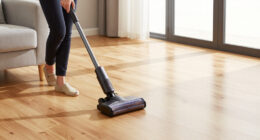
These surfaces benefit from frequent removal of abrasive grit. Fine sand and outdoor debris can be dragged beneath shoes, furniture or cleaning equipment, gradually dulling a finish. Vacuuming or dry sweeping should usually come before damp cleaning so loose particles are not pushed around.
Moisture control is especially important. Follow the flooring manufacturer’s care instructions, avoid leaving standing water and use only compatible cleaners. A robot mop can support routine maintenance, but it does not remove the need to inspect for spills, wheel marks or residue.
Carpet and Area Rugs
Carpet holds dust, fibers and hair below the immediately visible surface. Area rugs also introduce transitions that can challenge automated cleaners. A robot may need to climb onto the rug, increase suction, avoid wetting it or raise its mop assembly before crossing.
Homes that combine rugs with hard floors should examine the best robot vacuums with mop lifting on rugs. Mop lifting can make mixed-surface routes more practical, but buyers should still consider rug thickness, tassels, thresholds and the layout of each room.
As an affiliate, we earn on qualifying purchases.
Choose Between Vacuuming, Mopping and Hybrid Cleaning
Automated floor cleaners typically emphasize suction, mopping or a combination of both. The right configuration depends on the kind of dirt you encounter and how much intervention you are willing to provide.
Vacuum-Only Cleaning
A vacuum-only robot is a sensible option when you primarily need dust, crumbs and hair removed, prefer to mop manually or want to avoid managing water tanks and pads. A dedicated vacuuming routine can also be useful in carpet-heavy homes where wet cleaning offers little benefit.
The guide to robot vacuums with a vacuum-only mode focuses on models that let users clean without engaging the mopping function. That flexibility can help when certain rooms, seasons or cleaning sessions call for dry pickup alone.
Hybrid Vacuum-and-Mop Systems
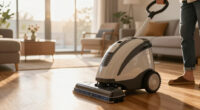
Hybrid robots can reduce the number of separate cleaning passes on suitable hard floors. Their convenience depends on how well the system handles water, pads and transitions between surfaces. Consider where the robot will refill, drain or wash components, as well as how often manual maintenance remains necessary.
For a more automated dock setup, explore robot vacuums with dock water drainage. Before choosing such a system, evaluate installation requirements, dock dimensions, nearby utilities and the amount of accessible space around the station.
As an affiliate, we earn on qualifying purchases.
Understand the Features That Affect Everyday Cleaning
Feature lists can become distracting unless each specification is connected to a real household need. Focus on obstacles, floor transitions, debris types and maintenance tasks that occur in your home.
Brush Configuration and Edge Pickup
Main rollers gather debris from the robot’s path, while side brushes help move particles away from walls and corners. The number and arrangement of brushes can influence how a machine approaches edges, hair and scattered crumbs. Brush design also affects maintenance because wrapped fibers may need to be removed manually.
Readers comparing alternative brush layouts can review the best robot vacuums with dual brushes. Treat brush count as one part of the overall design rather than an automatic measure of cleaning quality. Navigation, suction path, roller construction and room layout also matter.
Cliff Detection and Stairs
Robot vacuums do not clean stair treads as a complete staircase. Stairs still require a handheld vacuum, compact upright or manual cleaning method. However, a robot operating on an upper floor must recognize drop-offs and stay away from stair edges.
The roundup of robot vacuums for homes with stairs and cliff detection is a useful starting point for evaluating this safety-related feature. Sensors should be kept clean, and the home should still be prepared carefully before unattended operation. Unusual lighting, reflective surfaces and complex ledges deserve particular attention.
Wi-Fi Compatibility and Connected Features
Connected controls may support schedules, room selection, maps and notifications, depending on the model. Before buying, confirm that the cleaner is compatible with your home network. Router configuration and supported Wi-Fi bands can affect setup even when the rest of the feature set looks suitable.
Households evaluating newer network configurations can consult the guide to robot vacuums with 5 GHz Wi-Fi support. Also consider whether essential controls remain available on the machine itself, how household members will access the app and whether connected functions are important to your routine.

Replacement Parts for Eufy X8 Pro: Compatible with Eufy X8 Pro Series Robot Vacuum Cleaner – 1 Main Brushes,1 Brush, 4 Hybrid Accessory Filters, 6 Side Brushes,4 Mop Pads, 6 Vacuum Bags(22 Pcs)
- Compatibility: Designed for Eufy X8 Pro only
- Cleaning Efficiency: Premium materials for superior cleaning
- Complete Kit: 22-piece set for full replacement
As an affiliate, we earn on qualifying purchases.
As an affiliate, we earn on qualifying purchases.
Build a Floor-Care Routine You Can Maintain
The most effective schedule is not necessarily the most aggressive one. It is the routine you can repeat consistently without damaging surfaces or allowing equipment to deteriorate. Divide floor care into daily prevention, routine cleaning and periodic maintenance.
Daily and Frequent Tasks
- Remove spills promptly using a method appropriate for the flooring.
- Use entry mats to capture moisture and outdoor grit.
- Pick up cords, small objects and loose fabric before running a robot.
- Vacuum high-traffic areas often enough to prevent visible accumulation.
- Check for debris that could scratch a floor or jam a brush.
Weekly or Routine Tasks
- Vacuum edges, corners, stairs and spaces the robot cannot reach.
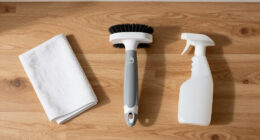
- Damp-clean suitable hard floors after removing loose debris.
- Wash or replace reusable pads according to their care instructions.
- Inspect rollers, side brushes and wheels for tangled hair or thread.
- Empty bins and clean filters at the intervals specified by the manufacturer.
Periodic Maintenance
- Move light furniture and clean beneath areas missed during everyday passes.
- Inspect grout, floor seams and transitions for wear or trapped residue.
- Clean robot sensors and charging contacts carefully.
- Review saved maps after furniture or room layouts change.
- Check brushes, filters and other replaceable components for wear.

Hoover PowerScrub Deluxe Carpet Cleaner Machine, Pet & Upholstery Tools
- Professional-Grade Stain Removal: Achieve pro results at home with SpinScrub brushes
- Fast Drying Technology: HeatForce speeds up drying time
- Versatile Surface Cleaning: Cleans carpets, upholstery, pet messes, and more
As an affiliate, we earn on qualifying purchases.
As an affiliate, we earn on qualifying purchases.
Prepare Rooms for Better Automated Cleaning
A robot vacuum works best in a space that has been made navigable. This does not mean redesigning the home; small adjustments can reduce interruptions and missed areas. Secure loose cables, lift lightweight curtains from the floor and decide how to handle rug tassels. Remove small toys, socks and objects that could enter the suction path.
Pay attention to thresholds and tight clearances beneath furniture. Measure spaces rather than relying on visual estimates, including the height under beds and cabinets and the width between furniture legs. Choose an accessible dock location with enough surrounding clearance for the robot to approach and depart reliably.
For multi-level homes, decide whether the robot will be carried between floors or dedicated to one level. Maps, docks and cleaning schedules may behave differently across models, so consider the complete workflow rather than only the cleaning run itself.
Maintain the Cleaner as Carefully as the Floor
A neglected machine can spread residue, lose pickup ability or stop mid-cycle. Emptying a bin is only one part of maintenance. Filters need attention, brushes collect fibers, wheels can carry grime and mopping pads can retain dirt. Dock trays and water-handling parts may also require cleaning.
Establish a quick inspection routine after demanding jobs. Look for wrapped hair, damp debris, clogged channels and foreign objects. Let washable parts dry completely before reinstalling them when the manufacturer instructs you to wash them. Follow the product manual for disassembly, replacement intervals and compatible cleaning methods.
Maintenance effort should influence the buying decision. A machine that automates part of floor cleaning may still require frequent hands-on care. Consider how easy components are to reach, whether bins and tanks are manageable, and where supplies will be stored.
Do Not Overlook Outdoor Automated Maintenance
Floor-care households sometimes extend automation to lawns and other exterior areas. Robotic lawn mowers solve a different problem, but the evaluation process is similar: understand the space, identify boundaries and obstacles, and select features that match the property.
Edges are a particular concern because automated mowing may leave strips near borders that require manual finishing. Homeowners researching this category can explore robotic lawn mowers with edge trimming. Lawn shape, slopes, boundary systems, narrow passages and local setup conditions should all be considered before choosing a mower.
How to Compare Cleaning Equipment Confidently
Begin with a written list of your surfaces and recurring problems. Note pet hair, food crumbs, tracked-in grit, rugs, stairs, thresholds, clutter and rooms that need wet cleaning. Then separate essential requirements from convenient extras.
- Match the cleaning method to the flooring manufacturer’s guidance.
- Measure furniture clearance, thresholds and the proposed dock area.
- Decide whether you need vacuuming, mopping or both.
- Account for brush, filter, pad, bin and dock maintenance.
- Confirm network compatibility if app-based control matters.
- Plan manual cleaning for stairs, corners and inaccessible spaces.
No single device eliminates every floor-care task. Automated cleaners are best viewed as routine-maintenance tools within a complete system that includes spill response, detailed edge cleaning, surface-appropriate mopping and periodic equipment care. By matching tools to flooring, preparing rooms thoughtfully and maintaining both the machine and the surface, you can create a cleaning routine that is efficient, repeatable and appropriate for your home.