TL;DR

Get cleaning gear delivered free with Prime
- Fast, free delivery on millions of items
- Prime Video, Amazon Music and more included
- Member-only deals all year
A House Beautiful writer who says she owns 65 houseplants has named seven varieties she finds too demanding: orange trees, peace lilies, Boston ferns, alocasia, fiddle-leaf figs, money trees and African violets. The list reflects her personal experience, not a universal ranking, and includes alternative plants she finds easier to manage.
A House Beautiful contributor who says she owns 65 houseplants has identified seven varieties she finds too high-maintenance, citing challenges such as dry indoor air, specific light needs, frequent watering and pests. Her list—orange trees, peace lilies, Boston ferns, alocasia, fiddle-leaf figs, money trees and African violets—is a personal account rather than a general assessment of how every plant will perform in every home.
The contributor says her collection includes plants such as pothos, philodendrons, a large bird of paradise and snake plants. Although she has cared for houseplants for decades, she says she has stopped keeping varieties that demand more attention than she is willing to provide. The list is based on her experience in her own home and preferences, not on a controlled comparison of plant care or a claim that the varieties cannot thrive indoors.
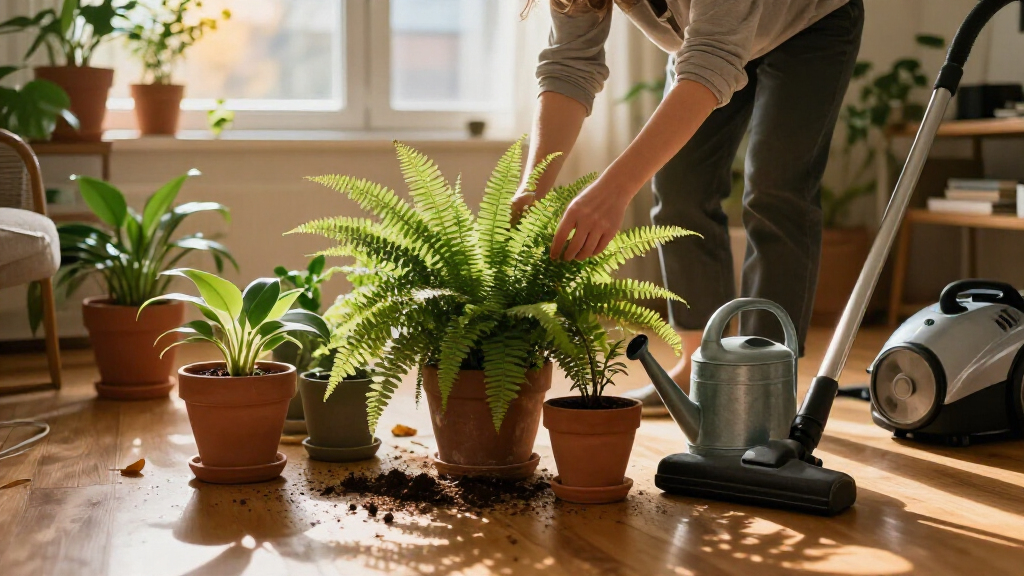
Several of her examples involve conditions that she says are difficult to maintain indoors. She describes needing a grow light and humidifier for an orange tree, while winter pest problems—particularly spider mites—eventually led her to give it up. Boston ferns repeatedly shed fronds when she brought them inside for winter; she says they need very bright light and humidity of 50 percent or higher. She also puts alocasia and fiddle-leaf figs in the demanding category, citing their requirements for bright light, consistent moisture or higher humidity.
Other plants made the list for less technical reasons. The writer says peace lilies wilt when they do not stay consistently moist and did not bloom as well as she wanted. She found her money tree’s growth awkward after pruning, and African violets did not flower as hoped despite her efforts. For alternatives, she names an olive tree, anthurium, bird’s nest fern, colorful philodendrons, bird of paradise and snake plant, respectively. Those are her preferred substitutes, not guarantees that the alternatives will suit every home or grower.
Matching Plants to Indoor Conditions
The list offers practical guidance for readers choosing plants by the conditions they can realistically provide. A home with limited natural light, dry winter air or an inconsistent watering routine may be a poor fit for plants that, in the contributor’s experience, need brighter light, higher humidity or steady moisture. Knowing a plant’s needs before buying it can help set expectations and reduce frustration when it struggles.
The account also pushes back on the idea that a plant’s failure is necessarily a sign of poor care. The writer says some varieties did not work for her despite repeated attempts, and advises readers not to blame themselves if a plant struggles in their space. That is a personal perspective, but it highlights a useful distinction: plant care depends on both the species and the growing environment. Her recommendations can help readers build a collection around their own light, humidity and time constraints rather than around appearance alone.
Products Worth Considering

Levoit Core 600S-P Smart Air Purifier for Large Rooms

Ring Battery Doorbell Plus (2nd Gen) and Indoor Cam Plus Bundle, Nickel Silver and White

Levoit Vital 200S-P Smart Air Purifier for Large Rooms
As an affiliate, we earn on qualifying purchases.
A Gardener’s Personal Shortlist
The writer frames her views as the result of years of growing plants, beginning with childhood attempts and later receiving cuttings from her grandmother. She says indoor gardening remains a source of enjoyment, particularly in colder months, while her main gardening interest is now outdoors. Her 65-plant collection ranges from newer pothos and philodendron varieties to established houseplant types.
She does not argue that any of the seven plants is inherently bad or impossible to grow. In the source report, she acknowledges that plants that disappointed her may thrive in someone else’s home, and says it can be enjoyable to experiment with varieties that appeal to a grower. The article is therefore best understood as a first-person account of what she no longer wants to manage—not a universal care guide or expert consensus on houseplant difficulty.
How These Plants Grow Elsewhere
The source does not provide independent testing, expert interviews or a standardized measure of how much care each plant requires. It also does not specify the contributor’s home conditions beyond the details she describes, or give a publication date. As a result, the reasons she cites—such as humidity, light and pest problems—should be read as her reported experience, not as proof that every owner will face the same difficulties.
Several of the care claims are broad descriptions rather than complete growing instructions. The article does not compare varieties, explain how seasonal changes affect each plant, or report whether adjustments to watering, light or humidity could have changed the results. The contributor also does not say how often she encountered pests or quantify the time or cost involved. Her suggested replacements may be easier for her, but their performance can still depend on the conditions and care available in another household.
Choosing Plants for Your Home
The report does not announce a new product, study or follow-up; it shares the writer’s current preferences and alternatives. Readers considering one of the seven plants can use the list as a prompt to check its light, moisture and humidity needs against the conditions in their own home, rather than treating the contributor’s experience as a blanket warning. Her alternatives provide starting points for exploring different plants, not a promise of easier care in every setting.
The writer’s stated approach is to keep plants that suit her space and bring her enjoyment, and to let go of ones that repeatedly disappoint her. Whether other growers follow that advice will depend on their own interests and growing conditions. The article offers no further update on her collection or plans to revisit the varieties.
Key Questions
Which houseplants does the writer consider too high-maintenance?
She names orange trees, peace lilies, Boston ferns, alocasia, fiddle-leaf figs, money trees and African violets, based on her personal experience.
Does the article say these plants are difficult for everyone?
No. The writer says some of the plants on her list may thrive in other homes. Her judgments reflect her preferences and the conditions she encountered, not a universal ranking.
What alternatives does she suggest?
She suggests an olive tree instead of an orange tree, anthurium instead of a peace lily, bird’s nest fern instead of Boston fern, colorful philodendrons instead of alocasia, bird of paradise instead of fiddle-leaf fig, snake plant instead of money tree, and no replacement is specified for African violet in the supplied report.
Why did she give up on the orange tree?
She says it needed a grow light and a nearby humidifier in her home, and that she repeatedly dealt with winter spider mite problems. She eventually decided the effort was not worthwhile for her.
Is this an expert comparison of houseplant care?
No. It is a first-person report from a House Beautiful contributor who says she owns 65 houseplants. The source provides no controlled comparison or independent expert assessment.
Source: housebeautiful.com