To prevent mold in mop tanks and lines, regularly clean and disinfect your equipment with antimicrobial solutions, ensuring they dry thoroughly afterward. Store tanks in a well-ventilated area, keep lids closed, and check for leaks or standing water. Use mold-resistant products and schedule routine inspections for signs of mold, such as discoloration or fuzzy patches. Proper maintenance together with smart storage helps keep mold at bay—discover more tips to protect your equipment effectively.
Key Takeaways
- Regularly clean and disinfect tanks and lines with antimicrobial agents to eliminate mold spores.
- Ensure tanks are thoroughly dried after each use and stored in well-ventilated areas.
- Use mold-resistant materials and products formulated with antimicrobial properties.
- Inspect equipment frequently for signs of moisture, discoloration, or mold growth.
- Maintain proper airflow, environmental controls, and promptly address leaks or standing water.

WoldoClean Robot Mop Floor Cleaning Solution 25 oz – Low Foam Concentrate
- Compatibility: Works with Roborock, Dreame, Roomba, Tineco, Shark
- Concentrated Formula: Makes up to 40 gallons of cleaner
- Low-Foam Formula: Protects sensors and pumps, dissolves grime
As an affiliate, we earn on qualifying purchases.
As an affiliate, we earn on qualifying purchases.
Understanding How Mold Forms in Mop Tanks and Lines
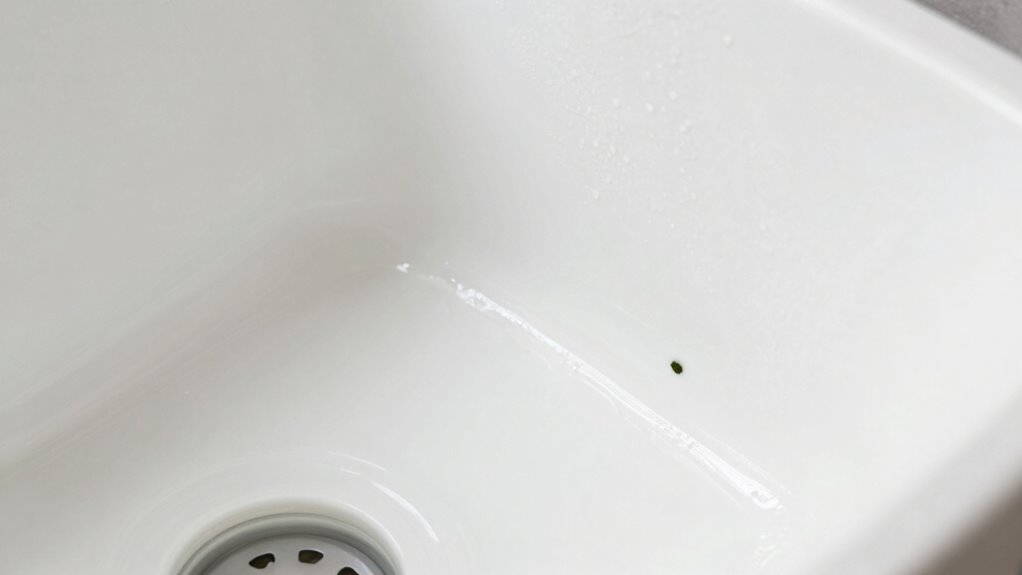
Mold forms in mop tanks and lines when moisture remains trapped and isn’t properly dried or cleaned. Understanding the mold lifecycle helps you grasp how mold develops and persists. Mold spores are everywhere, but they only grow when conditions are right—specifically, in damp, warm environments. Once spores land on a wet surface, they begin to germinate, forming new mold colonies. To prevent this, you must implement preventive measures that disrupt the mold lifecycle. This includes thoroughly cleaning and drying tanks and lines after each use, removing any residual moisture, and ensuring proper ventilation. Additionally, understanding industry standards and maintaining proper hygiene practices can help reduce mold risk. Staying vigilant about indoor humidity levels is also crucial, as high humidity can promote mold growth in damp environments. Proper airflow and ventilation are essential in maintaining a dry environment, which is critical for mold prevention. By staying vigilant and maintaining a dry environment, you can prevent mold from establishing itself and spreading, keeping your equipment safe and hygienic.
As an affiliate, we earn on qualifying purchases.
How to Spot Mold Early in Your Equipment
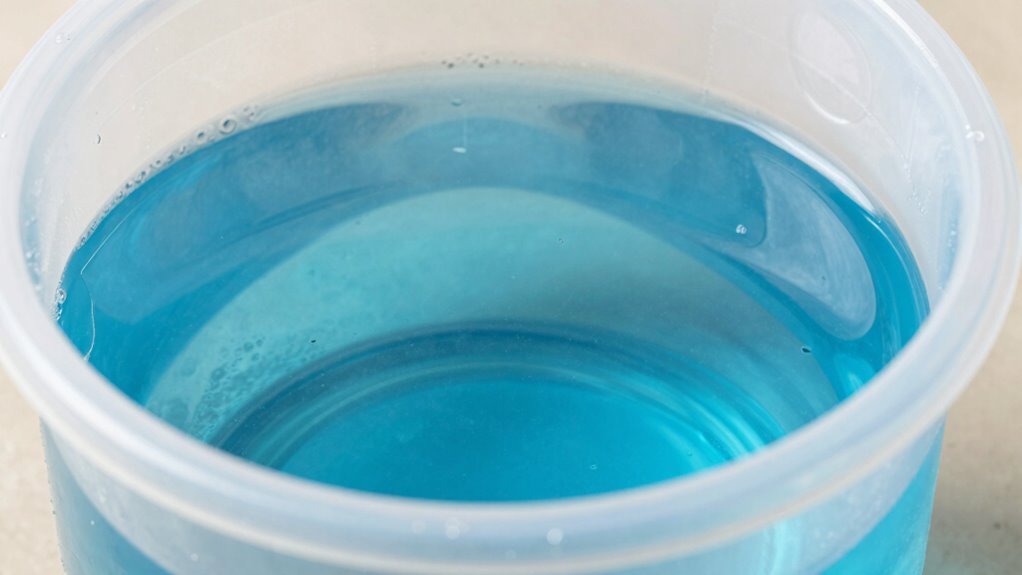
Keep an eye out for any strange odors or colors in your mop water, as these can be early signs of mold. Check your equipment regularly for visible mold growth on tanks or lines. If you notice sluggish spray performance, it may indicate a mold buildup blocking the system. Incorporating regular cleaning of tanks can help prevent mold from developing in your equipment. Additionally, maintaining proper water temperature and airflow can inhibit mold growth and prolong equipment lifespan. Ensuring proper storage conditions also plays a key role in preventing mold formation over time. Monitoring measurement accuracy with appropriate testing tools can help detect environmental changes that favor mold development, such as humidity levels and temperature fluctuations.
Unusual Odors or Colors
Unusual odors or discoloration in your mop tanks and lines are often the first signs that mold may be starting to develop. If you notice a musty smell or strange coloring—like cloudy or dark patches—you should investigate immediately. Using mold resistant materials for tanks and lines can help slow mold growth, making it easier to spot issues early. Additionally, odor neutralizers can mask smells temporarily, but they aren’t a cure; regular cleaning is essential. Pay attention to any persistent odors or color changes, as they indicate mold may be forming beneath the surface. Proper maintenance and monitoring of airflow can further prevent mold development. Ensuring proper ventilation systems are in place can significantly reduce humidity and mold risks. Implementing environmental controls, such as dehumidifiers or humidity sensors, can further help manage moisture levels and prevent mold growth. Catching these signs early allows you to take prompt action, preventing more significant mold problems and maintaining a cleaner, healthier environment. Being aware of environmental conditions such as humidity levels can also help prevent mold development before it starts.
Visible Mold Growth
How can you spot mold early on your equipment? Look closely at your mop tanks and lines for any visible mold growth, which appears as fuzzy or slimy patches in various colors like green, black, or white. Regularly inspecting your equipment helps catch mold before it spreads. Using mold resistant materials during repairs or replacements can reduce mold buildup. Also, guarantee proper air circulation around your equipment, as stale, moist environments promote mold growth. If you notice any discoloration, slimy residues, or fuzzy spots, act quickly to clean and dry the area thoroughly. Early detection is key to preventing mold from becoming a bigger problem, saving you time and money, and maintaining a healthier environment for your cleaning staff.
Sluggish Spray Performance
If you notice that your mop spray isn’t dispensing as forcefully or evenly as it used to, mold could be be the culprit. Sluggish spray performance often indicates mold growth in your lines or tanks, compromising spray quality. To catch mold early, keep an eye out for:
- Reduced spray pressure or inconsistent flow
- Unusual odors near equipment
- Discolored or cloudy spray solution
- Visible buildup around nozzles or lines
- Proper maintenance routines and consistent cleaning are crucial in preventing mold buildup in your equipment. Regular equipment maintenance and mold prevention techniques are essential. Cleaning and disinfecting your spray lines frequently can prevent mold from establishing. Ensuring proper drying after use also limits moisture buildup, reducing mold risk. Implementing moisture control strategies can significantly hinder mold development. Addressing sluggish spray performance promptly saves you time and effort, and helps maintain a hygienic cleaning environment. Additionally, inspecting and replacing damaged or worn mop tanks and lines can further prevent mold harboring areas. Staying vigilant about moisture management can make a considerable difference in mold prevention efforts.

QTJH Broom And Mop Holder Put Wet Mops Movable Floor-Mounted Mop Rack Floor Standing Cleaning Tool Cart Storage For Garden Garage Schools, Hospitals, Factories, Hotels,Property Companies (12racks)
- Organized Cleaning Supplies Storage: Holds brooms and mops neatly
- Easy to Use and Collapsible Hooks: Pulls out smoothly, hooks collapse for drying
- Floor-Friendly Mobility: Wheels for easy movement without spills
As an affiliate, we earn on qualifying purchases.
As an affiliate, we earn on qualifying purchases.
Effective Cleaning and Disinfection Methods to Prevent Mold
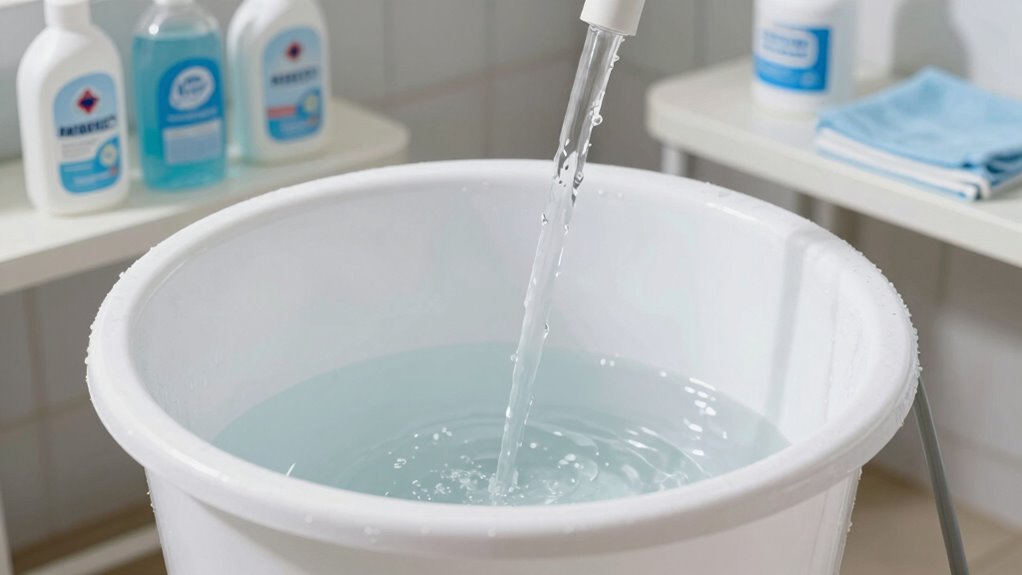
Regularly cleaning and disinfecting your mop tanks and lines is essential to prevent mold growth. Use mold-resistant materials and antimicrobial coatings on surfaces to inhibit mold spores from settling and thriving. Start by emptying and rinsing tanks after each use, ensuring all residual debris is removed. Use a disinfectant solution that targets mold, such as diluted bleach or commercial mold removers, and thoroughly scrub all surfaces. Pay special attention to corners and crevices where mold often develops. Allow the solution to sit for at least 10 minutes before rinsing completely. Implementing cleaning routines with antimicrobial coatings can provide ongoing protection, reducing mold’s ability to establish itself. Regular maintenance of mop tank components and proper storage practices further minimize mold risk. Incorporating preventive cleaning strategies into your routine can significantly inhibit mold proliferation. Consistent, effective cleaning and disinfection are your best defenses against mold in mop tanks and lines. Additionally, ensuring proper ventilation and drying after cleaning helps prevent moisture buildup that fosters mold growth.

Erico Products, Inc. Mold Cleaning Brush, T394
- Soft bristles prevent graphite wear: Minimize graphite damage during cleaning
- Effective slag and particle removal: Cleans mold cavity, tap hole, crucible, and cover
As an affiliate, we earn on qualifying purchases.
As an affiliate, we earn on qualifying purchases.
Regular Maintenance Tasks to Keep Your Mop Lines Mold-Free
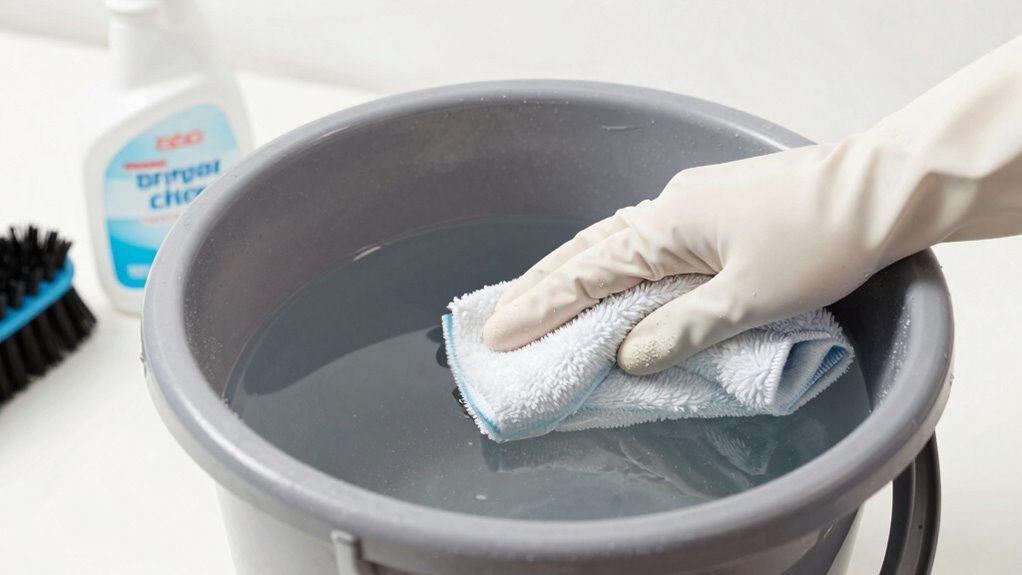
Maintaining your mop lines with routine tasks is essential for preventing mold buildup. Regularly inspecting and cleaning the lines helps disrupt potential mold growth, especially since stagnant water can trigger chemical reactions favoring mold. Use mold resistant materials when replacing parts to reduce mold’s ability to thrive. Incorporating digital wall art into your cleaning environment can serve as a visual reminder for proper maintenance routines. To better understand the importance of consistent care, consider the psychology of habit formation that encourages routine cleaning behaviors. Consistent maintenance routines are crucial in preventing mold, as they help eliminate conditions favorable to mold spores. Flush lines with clean water after each use. Use disinfectants designed to inhibit mold growth. Replace worn or cracked hoses promptly. Regularly check for leaks or standing water. These tasks keep moisture levels low and prevent mold spores from settling. Staying consistent with maintenance minimizes the chances of mold developing, ensuring your mop lines stay clean and safe. Proper upkeep also prolongs the lifespan of your equipment and maintains a healthier environment.
Proper Storage Practices to Keep Mop Tanks Dry and Mold-Resistant
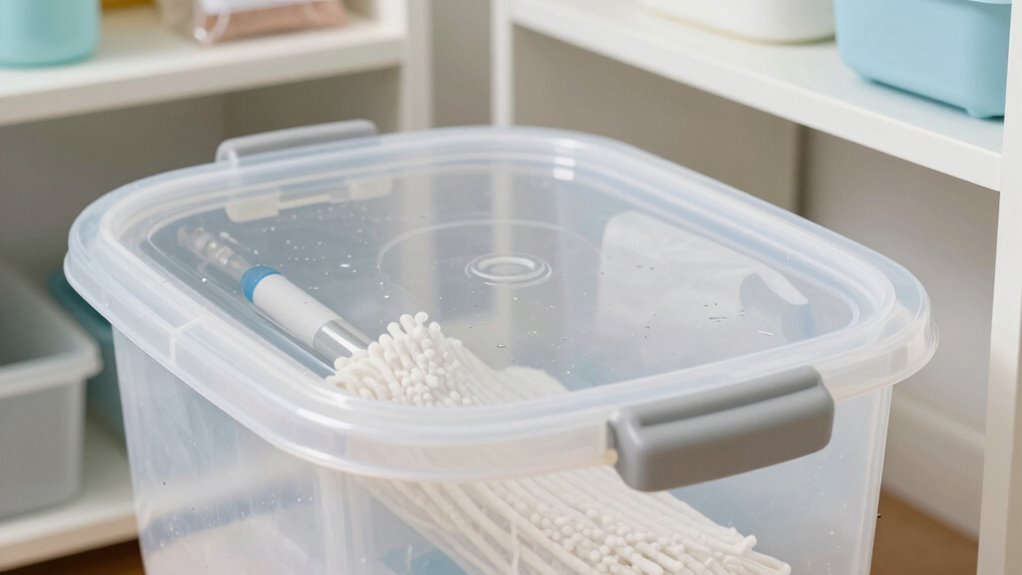
Proper storage practices are essential for keeping mop tanks dry and mold-resistant. To achieve this, follow effective storage tips like emptying and thoroughly drying tanks after each use. Guarantee your equipment hygiene by cleaning tanks regularly to prevent residue buildup that fosters mold growth. Store mop tanks in a well-ventilated area away from moisture sources, such as leaks or humid environments. Keep lids closed tightly to prevent dust and dampness from entering. Avoid stacking tanks or placing them on the ground where water can accumulate. Implementing these practices reduces moisture retention and discourages mold development. Additionally, using storage solutions like proper shelving can improve airflow and further prevent mold growth. Ensuring proper air circulation around stored equipment is crucial for maintaining a dry environment. Proper storage conditions play a vital role in preventing mold and extending the lifespan of your equipment. Consistent attention to storage conditions helps maintain equipment cleanliness, prolongs lifespan, and ensures your cleaning processes remain effective and mold-free.
Choosing Cleaning Products That Inhibit Mold Growth
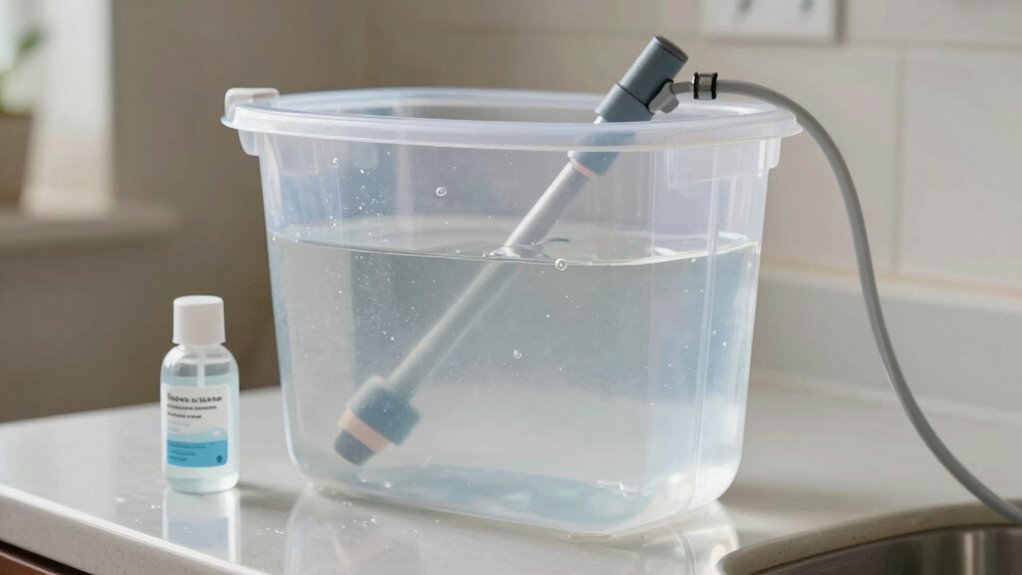
Choosing the right cleaning products plays an essential role in preventing mold growth in mop tanks and lines. Look for products with mold resistant formulations that inhibit mold spores from settling and thriving. Using cleaners with antimicrobial coatings can provide an extra layer of protection by preventing microbial buildup on surfaces. Make certain your cleaning products are compatible with your equipment to avoid damage. Regularly disinfect with solutions specifically designed to target mold spores, and avoid products that leave residues conducive to mold growth. Additionally, select cleaners that dry quickly and don’t promote moisture retention. Incorporating these options into your routine helps maintain a mold-free environment, protecting both your equipment and your health.
- Mold resistant formulations that inhibit growth
- Cleaners with antimicrobial coatings
- Quick-drying, residue-free solutions
- Products compatible with your equipment
Setting Up Routine Inspections to Catch Mold Early

Regular inspections are crucial for catching mold early before it can spread and cause damage. Establishing consistent inspection routines helps you identify potential mold issues quickly, guaranteeing effective mold prevention. Schedule inspections weekly or bi-weekly, checking for any signs of mold, residue, or moisture buildup in tanks and lines. Use the following checklist to streamline your process:
| Inspection Item | Action |
|---|---|
| Visual Signs of Mold | Look for discoloration or fuzzy growth |
| Moisture Levels | Check for leaks or standing water |
| Cleanliness and Maintenance | Ensure tanks and lines are clean and dry |
What to Do When You Find Mold and When to Call a Professional
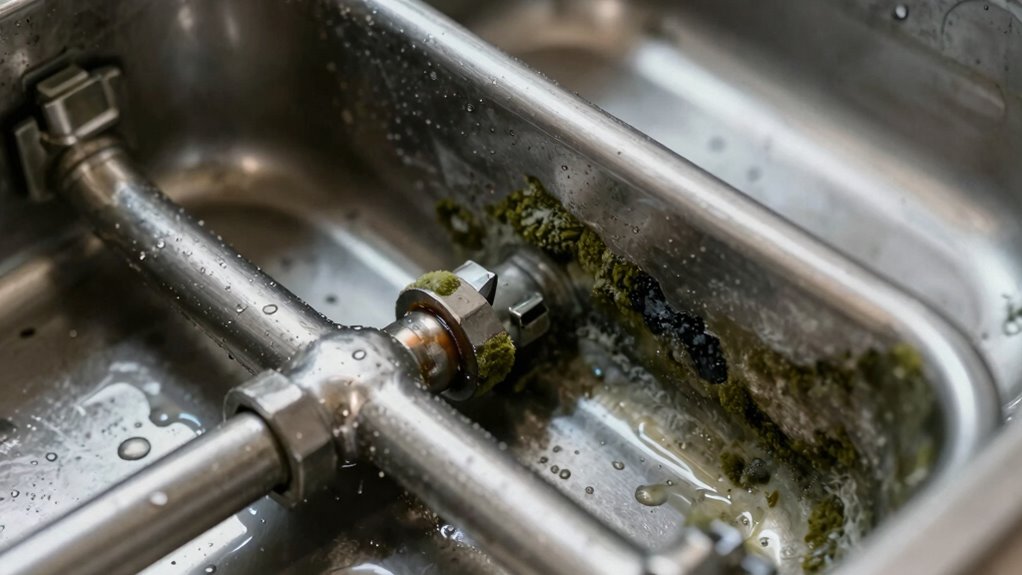
When you discover mold in your mop tanks or lines, it is vital to act quickly to prevent the problem from worsening. Start by thoroughly cleaning and disinfecting the affected areas, following your established cleaning schedules to eliminate mold spores. If the mold persists or covers a large area, it’s time to call a professional. Professionals can assess the extent of contamination and perform deep cleaning or mold remediation.
Consider these steps:
- Review and adjust your cleaning schedules to prevent future mold growth
- Use proper cleaning agents designed for mold prevention
- Inspect tanks and lines regularly to catch issues early
- Guarantee proper drying and ventilation after cleaning
Prompt action and professional help are essential to maintain a safe, mold-free environment.
Frequently Asked Questions
Can Mold in Mop Tanks Affect Indoor Air Quality?
Yes, mold in mop tanks can affect indoor air quality. When mold grows, spores become airborne, potentially causing allergies or respiratory issues. To prevent this, you should follow mold prevention strategies and cleaning techniques regularly, like disinfecting tanks and lines thoroughly. Proper maintenance guarantees mold doesn’t develop, keeping your indoor environment healthy and safe. Staying vigilant and maintaining cleanliness helps reduce mold spores and improves air quality.
What Are Natural Mold Inhibitors for Mop Lines?
You can use natural remedies like tea tree oil or vinegar as mold inhibitors for mop lines. These natural remedies act as antimicrobial solutions, helping prevent mold growth without harsh chemicals. Regularly adding a small amount of these to your mop water or lines keeps mold at bay and maintains a cleaner, safer environment. Be consistent with rinsing and drying to enhance their effectiveness and avoid mold buildup altogether.
How Long Does It Take for Mold to Develop in Mop Equipment?
Did you know mold can develop in as little as 24 to 48 hours under the right conditions? Mold growth in your mop equipment depends heavily on cleaning frequency and moisture retention. If you don’t regularly clean and dry your mop tanks and lines, mold can start forming within a day or two. To prevent this, guarantee thorough cleaning and drying after each use, especially in humid environments.
Are There Specific Storage Environments That Prevent Mold Growth?
Yes, proper storage conditions help prevent mold growth. You should store your mop tanks and lines in a cool, dry area with low humidity. Make certain the space is well-ventilated and free from excess moisture. Keep tanks empty and dry when not in use, and consider using dehumidifiers if humidity levels are high. These steps create an environment that discourages mold development and keeps your equipment clean.
Does Using Hot Water Eliminate All Mold Spores?
Did you know that hot water can kill up to 99% of mold spores? Using hot water alone doesn’t eliminate all mold spores, but it considerably reduces their presence. Mold spores are resilient and can survive at lower temperatures, so combining hot water with proper cleaning solutions is essential. Always rinse and disinfect your mop tanks and lines thoroughly to prevent mold growth and ensure a hygienic environment.
Conclusion
By following these tips, you can substantially reduce mold growth in your mop tanks and lines. Regular cleaning and proper storage are key to keeping your equipment mold-free. Did you know that mold can start growing in as little as 24 hours in damp environments? Stay vigilant with routine inspections, and don’t hesitate to call a professional if you spot mold. Protect your health and extend your equipment’s lifespan with these simple prevention steps.