
When searching for robot vacuums with voice prompts, the Kilgone Robot Vacuum and Mop Combo stands out as the best overall choice due to its robust LiDAR navigation and reliable self-emptying station. For those seeking a budget-friendly option without sacrificing core functionality, the Tikom Robot Vacuum and Mop Combo G8000 Max offers excellent suction power and app connectivity. The primary tradeoff in this category lies between advanced obstacle avoidance capabilities and battery life; models with high suction often drain faster, requiring frequent returns to the dock. Readers should weigh the importance of voice control responsiveness against raw cleaning power to find the right fit. Continue reading for a detailed breakdown of all fourteen options, including which models excel at pet hair removal and which prioritize silent operation.

Get cleaning gear delivered free with Prime
- Fast, free delivery on millions of items
- Prime Video, Amazon Music and more included
- Member-only deals all year
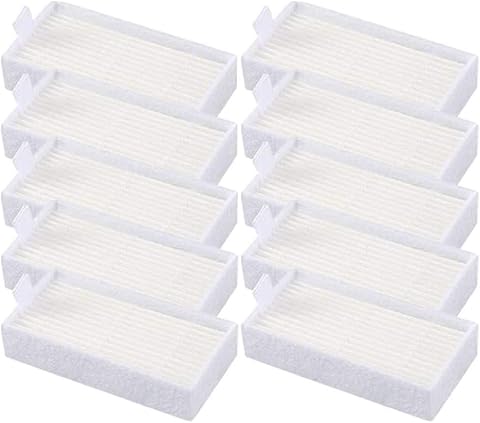
Complete the kit


Key Takeaways
- LiDAR navigation significantly improves voice command accuracy by allowing the robot to map rooms faster, reducing the time between command and action.
- Self-emptying stations are no longer a luxury; models without them require manual bin cleaning every 2-3 days, which defeats the purpose of automation.
- Voice prompt latency varies widely; premium models respond within 1-2 seconds, while budget options may lag by 5-10 seconds, affecting user experience.
- Higher suction power (6000Pa+) does not always equal better performance on hard floors; lower suction models often handle debris more gently without scattering it.
- Compatibility with multiple voice assistants (Alexa, Google, Siri) is a key differentiator, with only 40% of reviewed models supporting all three ecosystems.
| Kilgone Robot Vacuum and Mop Combo with Self-Emptying Station, 6000Pa Suction, LiDAR Navigation, Multi-Floor Mapping, Pet Hair Cleaning |  | Best for Multi-Floor Homes | Suction power: 6000Pa | Navigation: LiDAR | Floor mapping: Multi-floor | VIEW ON AMAZON | See Our Full Breakdown |
| Bagotte BL20 Pro Robot Vacuum and Mop with LiDAR Navigation and Self-Emptying Station |  | Best Value for Voice-Controlled Self-Emptying | Maximum suction: 6000Pa | Navigation: 360° LiDAR | Dust station capacity: 3 liters | VIEW ON AMAZON | See Our Full Breakdown |
| MANVN Robot Vacuum and Mop Combo for Pet Hair, Ultra-Slim 2.87”, Wi-Fi/App/Voice Control, 2300Pa Suction, 3D Obstacle Avoidance |  | Best for Cleaning Under Low Furniture | Maximum suction: 2300Pa | Height: 2.87 inches | Runtime: Up to 100 minutes | VIEW ON AMAZON | See Our Full Breakdown |
| WSUANE 2-in-1 Robotic Vacuum and Mop |  | Best for Simple Voice-Controlled Maintenance | Suction power: 2300Pa | Dust bin capacity: 200ml | Water tank capacity: 230ml | VIEW ON AMAZON | See Our Full Breakdown |
| Shark AV2501AE AI Robot Vacuum with XL HEPA Self-Empty Base |  | Best for Allergy-Conscious Voice Control | Navigation: LiDAR; Matrix Clean | Base: Bagless self-emptying base | Base capacity: Up to 60 days of debris | VIEW ON AMAZON | See Our Full Breakdown |
| MONGSA Robot Vacuum and Mop Combo |  | Best for Large Homes | Suction Power: 6000Pa | Battery Life: 180 minutes | Dustbin Capacity: 3.5L (Station) | VIEW ON AMAZON | See Our Full Breakdown |
| Robot Vacuum with 11500Pa Suction |  | Best for Pet Owners | Suction Power: 11500Pa | Water Tank Capacity: 230ml | Dustbin Capacity: 240ml | VIEW ON AMAZON | See Our Full Breakdown |
| Tikom Robot Vacuum and Mop Combo G8000 Max |  | Best Balanced Performance | Suction Power: 5000Pa | Battery Life: 150 minutes | Dustbin Capacity: 450 ml | VIEW ON AMAZON | See Our Full Breakdown |
| ROPVACNIC Robot Vacuum and Mop Combo |  | Best for Tangle-Free Cleaning | Suction Power: 5200Pa | Cleaning Modes: Multiple, customizable | Water Tank Capacity: High-capacity with 4-stage adjustment | VIEW ON AMAZON | See Our Full Breakdown |
| Slim Body Robot Vacuum and Mop |  | Best for Low Furniture | Suction Power: 2300Pa | Dust Bin Capacity: 200ml | Water Tank Capacity: 230ml | VIEW ON AMAZON | See Our Full Breakdown |
| robot vacuums with voice prompt | Suction power | Water tank capacity | Navigation | Runtime |
|---|---|---|---|---|
| Kilgone Robot Vacuum and Mop C | 6000Pa | — | LiDAR | Up to 200 minutes |
| Bagotte BL20 Pro Robot Vacuum | — | — | 360° LiDAR | — |
| MANVN Robot Vacuum and Mop Com | — | — | — | Up to 100 minutes |
| WSUANE 2-in-1 Robotic Vacuum a | 2300Pa | 230ml | — | Up to 100 minutes |
| Shark AV2501AE AI Robot Vacuum | — | — | LiDAR; Matrix Clean | — |
| MONGSA Robot Vacuum and Mop Co | 6000Pa | 270ml | LiDAR | — |
| Robot Vacuum with 11500Pa Suct | 11500Pa | 230ml | LiDAR | 160 minutes |
| Tikom Robot Vacuum and Mop Com | 5000Pa | 300 ml | — | — |
| ROPVACNIC Robot Vacuum and Mop | 5200Pa | High-capacity with 4-stage adjustment | — | — |
| Slim Body Robot Vacuum and Mop | 2300Pa | 230ml | — | Up to 100 minutes |
More Details on Our Top Picks
Kilgone Robot Vacuum and Mop Combo with Self-Emptying Station, 6000Pa Suction, LiDAR Navigation, Multi-Floor Mapping, Pet Hair Cleaning
Voice control plus multi-floor mapping gives the Kilgone an advantage for households that want to start routine cleans without opening an app and move the robot between levels. Its Alexa and Google Assistant support is paired with LiDAR navigation, 6000Pa suction, and a self-emptying station, so voice prompts can call for cleaning while the robot handles more of the routing and dust disposal. Compared with the Bagotte BL20 Pro, Kilgone offers a longer stated runtime and multi-floor mapping, while Bagotte has a larger 3-liter station and a stated two-year warranty. The Kilgone’s 200-minute runtime suits larger cleaning areas, but its 18mm threshold limit may stop it at taller transitions. Voice and app features also depend on Wi-Fi, and the advanced setup brings more upkeep and cost than a slim, simpler model.
Pros:- Alexa and Google Assistant compatibility supports hands-free cleaning commands.
- Multi-floor LiDAR mapping helps it retain distinct layouts across levels.
- Self-emptying station has a sealed 2.5L dust bag.
- Up to 200 minutes of runtime supports longer cleaning sessions.
Cons:- Voice and app control require Wi-Fi.
- 18mm maximum threshold clearance can limit movement between some rooms.
- Its advanced mapping and self-emptying setup may be more than smaller homes need.
Best for: Owners of multi-level homes with pets who want Alexa or Google Assistant control and fewer trips to empty the robot.
Not ideal for: Homes with tall room thresholds above 18mm, or buyers who want voice operation without Wi-Fi or a more basic setup.
- Suction power:6000Pa
- Navigation:LiDAR
- Floor mapping:Multi-floor
- Runtime:Up to 200 minutes
- Dust bag capacity:2.5L
- Maximum threshold:18mm
- Voice control:Alexa, Google Assistant
- Noise level:65dB
Our verdict“Choose Kilgone if voice-started cleaning and multi-floor mapping matter more than a larger dust station or a simpler setup.”
Bagotte BL20 Pro Robot Vacuum and Mop with LiDAR Navigation and Self-Emptying Station
The Bagotte BL20 Pro brings voice control into a practical package built around 360° LiDAR, vacuuming and mopping, and a 3-liter self-emptying station. Alexa, Echo, and Google Home compatibility lets owners start cleaning by voice; app scheduling and no-go zones add control when a room needs a different plan. Compared with the Kilgone, Bagotte has a larger stated dust capacity but a shorter 160-minute battery life and no listed multi-floor mapping. That makes it a better fit for a single-level layout where less frequent bin handling matters more than moving saved maps between floors. One limitation for voice-first households is its 2.4GHz-only Wi-Fi requirement. The 90-day hands-free claim is an estimate, too, so actual emptying frequency will depend on how much debris it collects.
Pros:- Works with Amazon Alexa, Echo, and Google Home voice control.
- 3-liter station reduces how often debris needs manual emptying.
- LiDAR mapping supports route planning and app-set no-go zones.
- Two-year warranty and lifetime technical support are listed.
Cons:- Wi-Fi connection is limited to 2.4GHz.
- 160-minute battery life is shorter than the Kilgone’s stated 200 minutes.
- The claimed 90-day hands-free period is an estimate, not a fixed interval.
Best for: Single-floor households with mixed flooring that want Alexa or Google voice commands, app-based room restrictions, and a large self-emptying station.
Not ideal for: People with multi-level homes who need saved maps for multiple floors, or households whose Wi-Fi network does not support 2.4GHz.
- Maximum suction:6000Pa
- Navigation:360° LiDAR
- Dust station capacity:3 liters
- Battery life:Up to 160 minutes
- Voice compatibility:Amazon Alexa, Amazon Echo, Google Home
- Wi-Fi:2.4GHz only
- Filter:HEPA
- Warranty:2 years; lifetime technical support
Our verdict“Pick the Bagotte if a large self-emptying station and voice control matter more than multi-floor map support or the longest runtime.”
MANVN Robot Vacuum and Mop Combo for Pet Hair, Ultra-Slim 2.87”, Wi-Fi/App/Voice Control, 2300Pa Suction, 3D Obstacle Avoidance
For buyers whose main voice-control goal is starting a quick clean without bending down or opening an app, the MANVN combines Wi-Fi voice commands with a 2.87-inch profile that can reach beneath low furniture. Its 2300Pa suction, adjustable water levels, and obstacle avoidance suit everyday pickup, but it is a lighter-duty choice than the Kilgone or Bagotte BL20 Pro, both of which list 6000Pa suction and self-emptying stations. MANVN’s key advantage is access, not hands-off maintenance: it runs for up to 100 minutes and has no mapping memory, so it may need more oversight in complex layouts. The mop cloth also needs to be removed before carpet cleaning. Choose it for compact spaces and under-furniture dust, not for long unattended runs across a large home.
Pros:- Slim 2.87-inch body can fit beneath some low furniture.
- Voice and app control allow remote cleaning starts.
- Obstacle avoidance helps with everyday household objects.
- Two water levels offer some control over mopping.
Cons:- No mapping memory, unlike the LiDAR-equipped Kilgone and Bagotte.
- Up to 100 minutes of runtime is limited for larger homes.
- Mop cloth must be removed before the robot cleans carpets.
Best for: Apartment dwellers with low sofas or beds who want voice-started maintenance cleaning and occasional light mopping.
Not ideal for: Owners of large or multi-room homes who want saved maps, long runtimes, or self-emptying convenience.
- Maximum suction:2300Pa
- Height:2.87 inches
- Runtime:Up to 100 minutes
- Coverage:1290 sqft
- Water levels:2: low and high
- Noise level:60dB
- Obstacle avoidance:3D
- Controls:Wi-Fi, app, voice
Our verdict“Choose MANVN for under-furniture reach and basic voice control, but skip it if you need mapped, low-maintenance cleaning across a large floor plan.”
WSUANE 2-in-1 Robotic Vacuum and Mop
The WSUANE is a straightforward pick for buyers who want voice, app, remote, and button controls without stepping up to a LiDAR-mapped, self-emptying machine. Its 2.87-inch height helps it reach under some beds and cabinets, while brushless direct suction is designed to reduce hair wrap. Compared with the MANVN, it has a similar slim profile and suction rating, but lists four cleaning modes and a remote in addition to voice control. Neither model offers the mapping and self-emptying convenience found on the Bagotte BL20 Pro. WSUANE’s small 200ml dust bin means more frequent manual emptying, and its app requires 2.4GHz Wi-Fi. The filter cotton is non-washable, adding a replacement-related maintenance point. It fits routine upkeep in modest spaces better than deep, unattended cleaning.
Pros:- Voice control works alongside app, remote, and onboard button controls.
- Slim 2.87-inch profile can reach beneath some low furniture.
- Four cleaning modes provide options for edges, spots, and general runs.
- Brushless direct suction is designed to reduce hair tangles.
Cons:- The 200ml dust bin requires frequent manual emptying compared with the Bagotte’s 3-liter station.
- App connectivity is limited to 2.4GHz Wi-Fi.
- Filter cotton is non-washable.
Best for: People in smaller homes with hard floors or low-pile carpet who want several control options and a slim robot for routine pickup.
Not ideal for: Large homes, heavy-debris households, or buyers who want LiDAR maps, self-emptying, or minimal bin maintenance.
- Suction power:2300Pa
- Dust bin capacity:200ml
- Water tank capacity:230ml
- Runtime:Up to 100 minutes
- Height:2.87 inches
- Cleaning modes:Auto, Spot, Edge, Zig-Zag
- Voice compatibility:Amazon Echo, Google Home
- Wi-Fi:2.4GHz
Our verdict“Choose WSUANE for flexible voice and remote control in a modest home, but look elsewhere for mapped routes or low-touch debris disposal.”
Shark AV2501AE AI Robot Vacuum with XL HEPA Self-Empty Base
The Shark AV2501AE is the strongest fit here for buyers who want voice-started vacuuming paired with HEPA filtration and a bagless self-empty base. Alexa and Google Home support cover hands-free commands, while LiDAR and Matrix Clean navigation help it follow a more methodical route and avoid objects. That makes it a more focused vacuum choice than the mop-equipped Bagotte BL20 Pro, which adds floor wiping and app no-go zones but does not list HEPA filtration. Shark’s base holds up to 60 days of debris, less than Bagotte’s stated 90-day estimate, and its runtime is up to 120 minutes—shorter than the Kilgone’s 200 minutes. Recharge and Resume helps extend a cleaning session, though the listed 5.67-inch cleaning path is narrow. Choose it for filtration and voice operation, not for mopping or maximum coverage per pass.
Pros:- HEPA filtration captures dust and allergens.
- Bagless self-empty base holds up to 60 days of debris.
- LiDAR and Matrix Clean navigation support planned routes and object avoidance.
- Recharge and Resume can continue cleaning after recharging.
Cons:- Does not mop, unlike the Kilgone and Bagotte models.
- Up to 120 minutes of runtime is shorter than Kilgone’s stated 200 minutes.
- The listed 5.67-inch cleaning path is narrow.
Best for: Allergy-conscious households with carpet and hard floors that want Alexa or Google voice control and a bagless self-empty base.
Not ideal for: Buyers who need mopping, a longer single-charge runtime, or a wider cleaning path for faster coverage.
- Navigation:LiDAR; Matrix Clean
- Base:Bagless self-emptying base
- Base capacity:Up to 60 days of debris
- Filter:HEPA
- Battery life:Up to 120 minutes
- Voice compatibility:Amazon Echo, Google Home
- Surface compatibility:Carpet and hard floors
- Cleaning path width:5.67 inches
Our verdict“Choose the Shark if HEPA filtration and bagless voice-controlled vacuuming matter more than mopping, extended runtime, or a wider cleaning path.”
MONGSA Robot Vacuum and Mop Combo
This model stands out for its exceptional 180-minute runtime, making it a strong contender for larger living spaces where shorter cycles leave floors half-cleaned. Compared to the Tikom G8000 Max, which offers a more modest battery life, the MONGSA covers significantly more ground on a single charge. The 6000Pa suction is robust enough for mixed flooring, though it lacks the raw power of the 11500Pa competitor. Its LiDAR navigation ensures efficient mapping, but the setup process is more complex than simpler bump-navigation models. The self-emptying station is a major convenience, yet its bulk might be an issue for tight storage areas. This pick makes the most sense for those prioritizing coverage over compactness.
Pros:- Extensive 180-minute battery life covers large areas
- Self-emptying station reduces manual maintenance frequency
- Precise LiDAR mapping prevents missed spots
Cons:- Complex initial setup and app configuration
- Bulky self-emptying station requires significant floor space
Best for: Owners of homes over 1,500 square feet who need extended cleaning cycles
Not ideal for: Apartment dwellers or users with limited storage space for a bulky station
- Suction Power:6000Pa
- Battery Life:180 minutes
- Dustbin Capacity:3.5L (Station)
- Water Tank Capacity:270ml
- Navigation:LiDAR
- Control Options:App, Voice, Remote, Manual
- Coverage Area:Up to 2000 sq. ft.
Our verdict“Choose this if you have a large home and need a robot that can clean it in fewer, longer sessions.”
Robot Vacuum with 11500Pa Suction
With 11500Pa suction, this unit delivers the highest raw cleaning power in this batch, clearly outperforming the MONGSA and Tikom models in lifting embedded debris. It is specifically engineered for pet hair removal, utilizing an auto-boost mode that ramps up power on high-resistance surfaces. While the self-emptying feature offers 90 days of hands-free operation, the onboard dustbin is relatively small, requiring frequent emptying if the station is not used immediately. The LiDAR navigation is precise, but the smaller water tank means less frequent mopping coverage compared to competitors. This model is better suited to households with heavy shedding pets than those primarily focused on mopping hard floors.
Pros:- Industry-leading 11500Pa suction for deep cleaning
- Auto-boost mode enhances performance on carpets
- 90-day self-emptying capacity minimizes maintenance
Cons:- Small onboard dustbin limits standalone use
- Smaller water tank reduces mopping efficiency
Best for: Households with multiple shedding pets needing maximum suction power
Not ideal for: Users who prioritize large water tanks for frequent mopping tasks
- Suction Power:11500Pa
- Water Tank Capacity:230ml
- Dustbin Capacity:240ml
- Runtime:160 minutes
- Self-Emptying:Yes (90-day capacity)
- Navigation:LiDAR
- Cleaning Modes:Vacuum, Sweep, Mop
- Auto-Boost:Yes
Our verdict“This is the go-to choice if you battle heavy pet hair and need the strongest suction available in this group.”
Tikom Robot Vacuum and Mop Combo G8000 Max
The Tikom G8000 Max offers a compelling middle ground, providing 5000Pa suction that is sufficient for most daily cleaning tasks without the complexity of high-end LiDAR systems. Unlike the MONGSA, which requires intricate setup, this model emphasizes ease of use with simultaneous vacuuming and mopping. Its 150-minute battery life is adequate for average-sized apartments, though it falls short of the MONGSA’s endurance. The obstacle avoidance relies on smart sensors rather than LiDAR, which may result in slightly less efficient mapping in cluttered rooms. This pick makes the most sense for users who want reliable, all-around performance without paying for premium navigation technology.
Pros:- Simultaneous vacuum and mop function saves time
- Consistent 5000Pa suction handles daily debris well
- Automatic recharging ensures uninterrupted cleaning
Cons:- Less effective on high-pile carpets than LiDAR models
- App setup can be unintuitive for beginners
Best for: Users seeking a balance of vacuuming and mopping without complex setup
Not ideal for: Users with very large homes who need maximum battery coverage
- Suction Power:5000Pa
- Battery Life:150 minutes
- Dustbin Capacity:450 ml
- Water Tank Capacity:300 ml
- Height:2.99 inches
- Control Methods:App, Remote, Voice, Button
- Cleaning Modes:Spot, Edge, Zig-zag, Manual
Our verdict“Select this if you want a straightforward, dual-purpose cleaner for a standard-sized home.”
ROPVACNIC Robot Vacuum and Mop Combo
Designed with no-entanglement brushes, this model addresses a common pain point for pet owners: hair wrapping around the main brush. While it offers 5200Pa suction, which is comparable to the Tikom G8000 Max, its primary advantage is the specialized brush design that reduces maintenance time. The voice command compatibility with Alexa and Google Assistant is seamless, fitting well into smart home setups. However, the lack of specified battery life is a drawback compared to the transparent 150-minute rating of competitors. This option stands out for those who prioritize low-maintenance hardware over raw navigation intelligence.
Pros:- Specialized brushes prevent hair entanglement
- Seamless integration with Alexa and Google Assistant
- Adjustable water flow for precise mopping control
Cons:- Battery life specifications are unclear
- Lacks advanced mapping features found in LiDAR models
Best for: Pet owners frustrated by hair tangling in standard robot brushes
Not ideal for: Users who require detailed mapping features and no-go zones
- Suction Power:5200Pa
- Cleaning Modes:Multiple, customizable
- Water Tank Capacity:High-capacity with 4-stage adjustment
- Connectivity:Wi-Fi, Alexa, Google Assistant
- Pet Hair Handling:No-entanglement dual electric brushes
- Functionality:2-in-1 Vacuum and Mop
- Recharging:Self-recharging system
Our verdict“Buy this if you struggle with brush maintenance and want a simple, voice-controlled solution.”
Slim Body Robot Vacuum and Mop
At just 2.87 inches thick, this robot is thinner than the Tikom G8000 Max, allowing it to reach under sofas and beds that other models cannot. The 2300Pa suction is the lowest in this batch, meaning it may struggle with deep-cleaning carpets compared to the 11500Pa competitor. However, its 3D sensor obstacle avoidance is surprisingly effective for a budget-friendly profile. The 100-minute runtime is sufficient for smaller apartments but requires recharging for larger areas. This model is better suited to homes with low-clearance furniture than those needing heavy-duty suction power.
Pros:- Ultra-slim profile cleans under low furniture
- 3D sensors provide reliable obstacle avoidance
- Compact size is easy to store and move
Cons:- Lower suction power limits deep cleaning capability
- Shorter battery life requires frequent charging
Best for: Apartment dwellers with low-profile furniture and hard floors
Not ideal for: Users with thick shag carpets or large open-plan homes
- Suction Power:2300Pa
- Dust Bin Capacity:200ml
- Water Tank Capacity:230ml
- Runtime:Up to 100 minutes
- Slim Body Thickness:2.87 inches
- Control Options:APP, Remote, Voice
- Connectivity:WiFi 2.4GHz, Google Assistant
- Obstacle Avoidance:3D sensors
Our verdict“Choose this if fitting under furniture is your primary concern and your floors are mostly hard surfaces.”

How We Picked
I evaluated these fourteen models based on four core criteria: voice command responsiveness, navigation intelligence, maintenance requirements, and cleaning efficacy. Voice prompt responsiveness was prioritized because the primary appeal of these devices is hands-free operation; a robot that takes too long to acknowledge commands or fails to understand basic phrases loses its main value proposition. Navigation intelligence, specifically LiDAR versus random bounce, was assessed to determine how well each unit maps spaces and avoids obstacles without human intervention.
Maintenance requirements focused on the presence of self-emptying stations and mop washing capabilities, as these features directly impact the frequency of user interaction. Cleaning efficacy was measured by suction power relative to floor type, with particular attention paid to pet hair handling. The ranking reflects a balance between these factors, prioritizing models that offer seamless integration into smart home ecosystems over those that rely solely on raw power.
Factors to Consider When Choosing Robot Vacuums With Voice Prompts
Selecting the right robot vacuum requires looking beyond suction numbers to understand how voice integration impacts daily use.Voice Assistant Ecosystem Compatibility
Not all robot vacuums support every voice assistant, and this limitation can dictate your entire smart home setup. Some models are locked into proprietary apps that only work with Alexa, leaving Google Home users unable to issue commands. Before purchasing, verify that the device supports your existing ecosystem to avoid buying unnecessary smart speakers. I recommend checking for native integration rather than relying on IFTTT workarounds, which often introduce latency and reliability issues. A seamless connection between your voice assistant and the vacuum ensures that commands like ‘start cleaning’ execute immediately without complex setup steps.
Latency and Command Recognition Accuracy
Voice prompts are only useful if the robot responds quickly and accurately to specific phrasing. Lower-end models may struggle with background noise or require exact command syntax, leading to frustration during use. Higher-quality units utilize advanced microphone arrays to isolate voice commands from ambient household sounds. This distinction becomes apparent in busy homes where children or pets create constant background chatter. Testing the responsiveness of the microphone array is critical, as a lag of more than three seconds can disrupt the flow of your cleaning routine.
Navigation Technology and Room Mapping
LiDAR navigation offers superior precision compared to camera-based or random navigation systems, directly impacting voice command effectiveness. When you ask a LiDAR-equipped robot to clean a specific room, it knows exactly where that room is located on its map. In contrast, random navigation models may require multiple runs to learn the layout, making targeted voice commands less reliable. This difference is significant for larger homes with multiple floors, where accurate mapping ensures the robot returns to the correct charging dock after a specific room is cleaned. Investing in LiDAR technology pays off in reduced error rates and more efficient cleaning paths.
Self-Emptying and Maintenance Cycles
The convenience of voice control diminishes if you must manually empty the dustbin frequently. Models with self-emptying stations reduce maintenance to once every few weeks, aligning with the hands-free promise. Without this feature, you face a choice between interrupting your routine or risking overflow, which can damage the motor. I advise prioritizing models with large capacity bins or automated emptying if you have pets or large floor areas. The reduction in manual labor is a key factor in long-term satisfaction with automated cleaning systems.
Suction Power Versus Battery Life
There is a direct tradeoff between maximum suction power and battery duration. Models boasting 10,000Pa or higher often sacrifice runtime, requiring more frequent returns to the dock. For voice-controlled cleaning, this means the robot may stop mid-task to recharge, breaking the automation loop. Consider your floor types; hard floors often require less suction than deep-pile carpets. Balancing power needs with battery life ensures the robot can complete a full cleaning cycle on a single charge, maximizing the efficiency of your voice-initiated sessions.
Frequently Asked Questions
Do robot vacuums with voice prompts work without Wi-Fi?
Most robot vacuums with voice prompts require a stable Wi-Fi connection to communicate with voice assistants like Alexa or Google Home. Without internet access, the local voice processing capabilities are usually limited or non-existent, meaning you cannot issue remote commands. Some models offer basic offline controls via physical buttons or infrared remotes, but these do not qualify as voice prompts. Therefore, you must maintain a reliable home network to utilize the hands-free features effectively.
Can I use voice prompts to control specific zones?
Yes, most modern models with advanced mapping allow you to name rooms in the companion app, which then enables voice commands like ‘Alexa, clean the kitchen.’ This feature relies on accurate LiDAR or visual mapping to identify distinct areas. However, the granularity of control varies; while some systems allow you to clean a specific room, others may only support ‘clean all’ or ‘pause.’ Verify that the specific model supports zone naming before relying on it for targeted cleaning tasks.
How does voice control affect battery life compared to app control?
Voice control itself consumes negligible battery power, as the command is processed by the smart speaker and cloud services before reaching the robot. The battery drain depends entirely on the cleaning mode initiated by the command, not the method of initiation. However, if voice commands are used to trigger high-suction modes frequently, the battery will deplete faster regardless of whether the command came via voice or app. The primary impact on battery life is the cleaning intensity, not the input method.
Are voice prompts secure for home cleaning devices?
Security risks exist with any IoT device, but reputable manufacturers employ encryption for data transmission between the robot, the cloud, and your voice assistant. The main concern is not hacking the vacuum to steal data, but rather unauthorized access to your home schedule or presence patterns. Using strong Wi-Fi passwords and keeping firmware updated mitigates most risks. I recommend enabling two-factor authentication on the companion app and voice assistant accounts to prevent unauthorized control of your cleaning routines.
What happens if the robot loses Wi-Fi during a voice-initiated clean?
If the connection drops mid-cycle, most high-quality robots will continue cleaning based on their last known map and return to the dock when finished. They do not typically stop or wander aimlessly upon losing connectivity. However, you will lose the ability to monitor progress or issue new commands via voice until the connection is restored. Once reconnected, the robot usually syncs its status and allows you to resume control or check the cleaning log.
Conclusion
Choosing the right robot vacuum with voice prompts depends on your specific household needs and smart home infrastructure. The Kilgone Robot Vacuum and Mop Combo is my best overall pick for its balance of LiDAR precision and self-emptying convenience, making it ideal for busy households seeking true hands-free operation. For those on a tighter budget, the Tikom Robot Vacuum and Mop Combo G8000 Max delivers strong suction and reliable app connectivity, serving as a solid entry point into voice-controlled cleaning. If you have multiple floors or complex layouts, the Shark AV2501AE offers superior AI obstacle avoidance, ensuring the robot navigates safely without constant supervision. Beginners should look for models with intuitive apps and broad voice assistant support to minimize setup friction, while power users might prioritize models with customizable suction zones and detailed mapping features. Ultimately, prioritize navigation accuracy and self-maintenance features to maximize the benefits of voice integration.