Budget robot vacuums with LiDAR can map rooms and clean in more orderly routes without the cost of a high-end flagship. My best overall pick is the Roborock Q7 M5+, which pairs strong stated suction with a self-emptying dock; the Dreame D20 Plus stands out for hands-off dust disposal, while the iRobot Roomba 105 is a simpler choice for buyers who prefer a familiar vacuum-focused option. The key tradeoffs are dock convenience versus upfront simplicity, suction claims versus practical floor needs, and mopping features versus maintenance. Continue reading for the full comparison, including where each model fits and what to check before choosing.

Get cleaning gear delivered free with Prime
- Fast, free delivery on millions of items
- Prime Video, Amazon Music and more included
- Member-only deals all year
Complete the kit


Key Takeaways
- Self-emptying separates the more hands-off picks from the simpler options: several models pair LiDAR with a dock, but buyers should weigh dock size and bag upkeep against less frequent bin emptying.
- The Roborock Q7 M5+ leads on the listed spec combination: it claims 10,000Pa suction and 7–9 weeks of self-emptying, while the Q7 L5 lists 8,000Pa and the same family focus.
- High suction claims do not settle the choice on their own: brush design, floor type, hair tangles, and carpet behavior can matter more than the largest number in a product title.
- Mopping adds upkeep as well as flexibility: combo models can handle light floor maintenance, but a basic mop attachment is not a substitute for a dedicated scrubber.
- The lineup ranges from simpler vacuuming to feature-heavy combos: the Roomba 105 is the pared-back option, while models such as the Tikom and Dreame emphasize self-emptying and mop functions.
| Tikom Robot Vacuum and Mop with Self-Emptying Base |  | Best for Flexible Multi-Floor Cleaning | Suction power: 6,000Pa | Navigation: 360° LiDAR | Maps supported: Up to 5 floors | VIEW ON AMAZON | See Our Full Breakdown |
| Dreame D20 Plus Robot Vacuum and Mop with Self-Emptying Dust Bin |  | Best for Strong Suction and Long Autonomy | Suction power: 13,000Pa | Navigation: LiDAR | Self-emptying bag: 5L; rated for up to 150 days | VIEW ON AMAZON | See Our Full Breakdown |
| iRobot Roomba 105 Robot Vacuum Cleaner |  | Best for Straightforward Vacuum-Only Cleaning | Navigation: LiDAR | Cleaning system: 3-stage cleaning | Suction claim: 70x more power-lifting suction | VIEW ON AMAZON | See Our Full Breakdown |
| Bagotte Robot Vacuum and Mop Combo, 6000Pa Suction, LiDAR Navigation, WiFi/App/Alexa Compatible |  | Best for Custom No-Go Zones | Suction power: 6,000Pa | Navigation: 360° LiDAR | Functions: Sweeping, vacuuming, and mopping | VIEW ON AMAZON | See Our Full Breakdown |
| ROPVACNIC Robot Vacuum and Mop Combo 5200Pa Suction |  | Best for Pet Hair and Adjustable Mopping | Suction power: 5,200Pa | Functions: Vacuuming and mopping | Cleaning modes: Multiple customizable modes | VIEW ON AMAZON | See Our Full Breakdown |
| Robot Vacuum with 11500Pa Suction, LiDAR Navigation, Self-Emptying, Pet Hair |  | Best for Pet Hair and Carpet | Suction power: 11,500Pa | Navigation: LiDAR | Self-emptying: Yes; dust bag capacity stated as up to 90 days | VIEW ON AMAZON | See Our Full Breakdown |
| Robot Vacuum and Mop with Mapping: 6000Pa LIDAR Navigation Self-Emptying Robotic Vacuum, Alexa/APP Control, 3-in-1 for Pet Hair, Hard Floor, Carpet |  | Best for Multi-Level Homes | Suction power: 6,000Pa | Navigation: 360° LiDAR | Mapping: Multi-level | VIEW ON AMAZON | See Our Full Breakdown |
| Lefant Robot Vacuum and Mop, 75-Day Self-Emptying, 6000Pa Suction, 140 Min Runtime, 5G WiFi |  | Best for Flexible Connectivity | Suction power: 6,000Pa | Navigation: LiDAR, dToF, and PSD | Battery life: 140 minutes | VIEW ON AMAZON | See Our Full Breakdown |
| VONKO Robot Vacuum and Mop, 8000Pa, Self-Emptying, LiDAR Navigation |  | Best for Long Cleaning Runs | Suction power: 8,000Pa | Battery life: 180 minutes | Navigation: LiDAR | VIEW ON AMAZON | See Our Full Breakdown |
| Roborock Q7 L5 Robot Vacuum and Mop Combo, 8,000Pa Suction |  | Best for Anti-Tangle Brush Design | Suction power: 8,000Pa | Navigation: LiDAR | Brushes: Dual anti-tangle | VIEW ON AMAZON | See Our Full Breakdown |
| Roborock Q7 M5+ Robot Vacuum and Mop, Up to 7-9 Weeks Self-Empty, 10000Pa HyperForce Suction |  | Best for Strong Suction and Less Frequent Emptying | Navigation: PreciSense LiDAR | Maximum suction: 10,000Pa | Self-emptying interval: Up to 7–9 weeks | VIEW ON AMAZON | See Our Full Breakdown |
| budget robot vacuums with lidar | Navigation | Suction power | Controls |
|---|---|---|---|
| Tikom Robot Vacuum and Mop wit | 360° LiDAR | 6,000Pa | App and voice control |
| Dreame D20 Plus Robot Vacuum a | LiDAR | 13,000Pa | App, Alexa, Siri, and Google Home |
| iRobot Roomba 105 Robot Vacuum | LiDAR | — | App, buttons, and voice control |
| Bagotte Robot Vacuum and Mop C | 360° LiDAR | 6,000Pa | App, Alexa, and remote |
| ROPVACNIC Robot Vacuum and Mop | High-coverage sensing with obstacle detection; LiDAR not specified | 5,200Pa | — |
| Robot Vacuum with 11500Pa Suct | LiDAR | 11,500Pa | — |
| Robot Vacuum and Mop with Mapp | 360° LiDAR | 6,000Pa | App, Alexa, and Google Assistant |
| Lefant Robot Vacuum and Mop | LiDAR, dToF, and PSD | 6,000Pa | — |
| VONKO Robot Vacuum and Mop | LiDAR | 8,000Pa | — |
| Roborock Q7 L5 Robot Vacuum an | LiDAR | 8,000Pa | — |
| Roborock Q7 M5+ Robot Vacuum a | PreciSense LiDAR | — | App, touch, and voice |
More Details on Our Top Picks
Tikom Robot Vacuum and Mop with Self-Emptying Base
The Tikom makes the most sense for homes where mapped coverage and less frequent bin emptying matter more than maximum suction. Its 360° LiDAR supports up to five floor maps, a useful advantage over the Bagotte, whose supplied details describe mapping but not multi-floor storage. The 3L self-emptying bag is rated for up to 90 days of cleaning, while 6,000Pa suction and a 150-minute runtime suit routine debris pickup across mixed surfaces. App and voice controls add scheduling options, though the number of features may take time to set up. The tradeoff is the mop arrangement: you may need to remove the holder or set zones to keep carpets dry. Compared with the Roomba 105, Tikom adds mopping and self-emptying, but is less straightforward for buyers who want a simpler vacuum-only setup.
Pros:- Self-emptying 3L bag reduces how often you need to handle dust.
- Stores up to five floor maps for multi-level homes.
- 6,000Pa suction and up to 150 minutes of runtime support regular whole-home cleaning.
- Works with app and voice controls.
Cons:- Mopping may require removing the holder or setting zones to protect carpets.
- The range of features can make initial setup less approachable.
Best for: Households with multiple levels or mapped zones that want a self-emptying vacuum with an occasional mopping option.
Not ideal for: Buyers seeking a simple, low-setup vacuum or hands-off carpet-and-mop switching without zone planning.
- Suction power:6,000Pa
- Navigation:360° LiDAR
- Maps supported:Up to 5 floors
- Self-emptying capacity:3L dustbag
- Runtime:Up to 150 minutes
- Functions:Vacuuming and mopping
- Connectivity:2.4GHz and 5GHz Wi-Fi
- Controls:App and voice control
Our verdict“Choose the Tikom if you want LiDAR mapping across several floors plus self-emptying, and can manage its mop setup.”
Dreame D20 Plus Robot Vacuum and Mop with Self-Emptying Dust Bin
The Dreame D20 Plus is the strongest fit here for buyers prioritizing high suction and long stretches between dustbin maintenance. Its 13,000Pa rating is well above the Tikom and Bagotte at 6,000Pa, giving it more stated suction capacity for debris and pet hair. The 5L self-emptying bag is rated for up to 150 days, and the listed 180-minute runtime is the longest specified among these five options. LiDAR mapping, an anti-tangle DuoBrush, and app or voice control round out a capable vacuum-and-mop package. Those advantages come with compromises: Wi-Fi is limited to 2.4GHz, and full use depends on app setup. The suction and autonomy make it less of a bare-bones budget pick than the Roomba 105, so it suits buyers who will use the extra capacity rather than those wanting a simple vacuum.
Pros:- 13,000Pa stated suction is higher than the Tikom and Bagotte models in this group.
- 5L dustbag is rated for up to 150 days of dust collection.
- Listed runtime of up to 180 minutes supports longer cleaning sessions.
- Anti-tangle DuoBrush is designed to reduce hair winding around the brush.
Cons:- Wi-Fi support is limited to 2.4GHz.
- App setup is needed to access the full set of controls and mapping features.
- Its added capacity and suction may be unnecessary for smaller homes with light debris.
Best for: Pet-owning households with larger floor areas that want strong stated suction, a large self-emptying bag, and long runtime.
Not ideal for: Buyers whose network relies on 5GHz-only Wi-Fi or who want a simple device with minimal app setup.
- Suction power:13,000Pa
- Navigation:LiDAR
- Self-emptying bag:5L; rated for up to 150 days
- Robot dustbin:500ml
- Water tank:350ml
- Runtime:Up to 180 minutes
- Brush:Anti-tangle DuoBrush
- Connectivity:2.4GHz Wi-Fi
- Controls:App, Alexa, Siri, and Google Home
Our verdict“Pick the Dreame if strong suction and less frequent dust handling matter more than 5GHz connectivity or a simpler setup.”
iRobot Roomba 105 Robot Vacuum Cleaner
The Roomba 105 is the clearest choice for someone who wants LiDAR-guided vacuuming without adding a mop or self-emptying dock. Its three-stage cleaning system, dirt-detection sensor, and stated 70x more power-lifting suction give it a focused job: pick up dirt across carpet and hard floors, then return to charging and resume cleaning. That simpler scope can be easier to live with than the Tikom or Dreame, both of which add mopping and self-emptying systems. It also means the Roomba lacks their extra convenience: there is no self-emptying feature or mopping function listed. The product details do not specify battery duration, so it is harder to judge coverage for a large home than with the Dreame’s listed 180 minutes. Its 2.4GHz Wi-Fi limit is another constraint for some networks.
Pros:- LiDAR navigation supports planned coverage rather than relying only on random movement.
- Three-stage cleaning and dirt detection focus cleaning on debris pickup.
- Works on carpet and hard floors.
- Self-charging and resume cleaning help it continue after recharging.
Cons:- Does not list mopping or a self-emptying base, unlike the Tikom and Dreame.
- Battery life duration is not specified.
- Supports only 2.4GHz Wi-Fi.
Best for: Buyers who want a familiar, vacuum-only robot with LiDAR mapping, dirt detection, and app or voice controls.
Not ideal for: Households looking for mopping, automatic dust disposal, or a stated runtime to plan coverage for a large floor area.
- Navigation:LiDAR
- Cleaning system:3-stage cleaning
- Suction claim:70x more power-lifting suction
- Recommended surfaces:Carpet and hard floor
- Controls:App, buttons, and voice control
- Sensors:Dirt detection and anti-fall
- Charging:Self-charging with resume cleaning
- Filter:Cartridge
Our verdict“Choose the Roomba 105 if you want a simpler LiDAR vacuum and do not need the mop or self-emptying features offered by Tikom and Dreame.”
Bagotte Robot Vacuum and Mop Combo, 6000Pa Suction, LiDAR Navigation, WiFi/App/Alexa Compatible
The Bagotte stands out for buyers who want LiDAR mapping with direct control over where the robot cleans. Customizable no-go zones can keep it away from cables, pet bowls, or carpet during mopping, making this a more flexible pick than the Roomba 105, which is listed as vacuum-only. It combines sweeping, vacuuming, and mopping with 6,000Pa suction, matching the Tikom’s stated suction while offering app, Alexa, and remote controls. The distinction is that the Tikom adds a 3L self-emptying base and up to five floor maps, while Bagotte’s supplied details do not list either. Bagotte also supports only 2.4GHz Wi-Fi, and no runtime or dustbin capacity is provided, so planning for larger homes or long intervals between maintenance is harder.
Pros:- Customizable no-go zones help exclude sensitive areas or carpets during cleaning.
- Combines sweeping, vacuuming, and mopping.
- 6,000Pa suction matches the stated figure on the Tikom.
- Offers app, Alexa, and remote control options.
Cons:- Supports only 2.4GHz Wi-Fi.
- No self-emptying base or multi-floor map count is listed, unlike the Tikom.
- Runtime and dustbin capacity are not specified.
Best for: Buyers who want a LiDAR vacuum-mop combo and need app-set no-go zones to protect specific areas.
Not ideal for: People who want self-emptying, multi-floor map storage, or a known runtime and bin capacity before choosing.
- Suction power:6,000Pa
- Navigation:360° LiDAR
- Functions:Sweeping, vacuuming, and mopping
- Wi-Fi:2.4GHz
- Zone controls:Customizable no-go zones
- Controls:App, Alexa, and remote
Our verdict“Pick the Bagotte if mapped no-go zones and combined floor care matter more than self-emptying or clearly specified capacity.”
ROPVACNIC Robot Vacuum and Mop Combo 5200Pa Suction
ROPVACNIC is the pet-focused option in this group, pairing 5,200Pa suction with a no-entanglement design and dual side brushes. That gives it a distinct angle from the Roomba 105’s three-stage vacuum system and from the Tikom’s stronger 6,000Pa rating: here, the appeal is the brush design and combined vacuum-mop function, not the highest suction or the most complete mapping details. Its four-stage water adjustment lets buyers tailor mopping, while obstacle detection and auto-recharge with resume support routine operation. But the navigation is described as a high-coverage sensing system, not explicitly as LiDAR, unlike the Tikom, Bagotte, Dreame, and Roomba. Since this roundup is specifically about budget robot vacuums with LiDAR, that missing confirmation is a meaningful caveat; battery life and dust capacity are also unspecified.
Pros:- No-entanglement design and dual side brushes are intended to manage pet hair.
- Four-stage water adjustment gives control over mopping output.
- Obstacle detection and auto-recharge with resume support routine cleaning.
- Compatible with Alexa and Google Assistant.
Cons:- The supplied product details do not confirm LiDAR, unlike the other four models in this batch.
- Battery life and dustbin capacity are not specified.
- Setup may be complex for buyers seeking a basic robot.
Best for: Pet owners seeking a vacuum-mop combo with hair-conscious brush design and adjustable water flow, provided LiDAR is not a must-have.
Not ideal for: Buyers requiring confirmed LiDAR navigation, published runtime, or a specified self-emptying capacity.
- Suction power:5,200Pa
- Functions:Vacuuming and mopping
- Cleaning modes:Multiple customizable modes
- Water adjustment:Four-stage adjustment
- Brush design:No-entanglement design with dual side brushes
- Navigation:High-coverage sensing with obstacle detection; LiDAR not specified
- Voice control:Alexa and Google Assistant
- Charging:Auto-recharge and resume cleaning
Our verdict“Consider ROPVACNIC for its pet-hair brush design and adjustable mopping, but choose another pick if confirmed LiDAR is a requirement.”
Robot Vacuum with 11500Pa Suction, LiDAR Navigation, Self-Emptying, Pet Hair
I’d shortlist this model for homes where pet fur and carpet debris matter more than keeping setup simple. Its listed 11,500Pa suction is the highest figure among these five, while LiDAR mapping, no-go zones, and a self-emptying base give it the layout control and reduced bin handling expected from a more hands-off option. It also vacuums and mops, though its 230ml water tank is better suited to modest mopping runs than large floor areas.
Compared with the Roborock Q7 L5, this one puts more emphasis on suction and longer stated dust-bag capacity, but offers less detail about app and mapping controls. The 160-minute runtime is shorter than the VONKO’s 180 minutes, and the multi-part setup may be less appealing to buyers who want a straightforward start. I’d pick it for fur-heavy homes, not for buyers prioritizing simple onboarding.
Pros:- Listed 11,500Pa suction suits homes dealing with pet hair and carpet debris.
- Self-emptying dust bag is described as lasting up to 90 days.
- LiDAR mapping and no-go zones support room-based cleaning control.
- Combines vacuuming and mopping, with automatic suction boost on carpets.
Cons:- Multiple components may make setup more involved.
- The 230ml water tank may need refilling during larger mopping jobs.
- App-control features are not clearly specified.
Best for: Pet owners with carpeted rooms who want strong listed suction and fewer trips to empty the robot’s dust.
Not ideal for: Buyers who want a simple setup, detailed app-control information, or a large water tank for frequent mopping.
- Suction power:11,500Pa
- Navigation:LiDAR
- Self-emptying:Yes; dust bag capacity stated as up to 90 days
- Runtime:160 minutes
- Dustbin capacity:240ml
- Water tank capacity:230ml
- Cleaning functions:Vacuuming and mopping
Our verdict“Choose this if pet hair and carpet pickup outrank easy setup and detailed app controls.”
Robot Vacuum and Mop with Mapping: 6000Pa LIDAR Navigation Self-Emptying Robotic Vacuum, Alexa/APP Control, 3-in-1 for Pet Hair, Hard Floor, Carpet
The H6 Pro’s clearest advantage is multi-level mapping: it is a more natural fit for homes where the robot needs to remember more than one floor than the simpler mapping descriptions provided for the Lefant M2 Plus. Its 360° LiDAR builds detailed maps, while app and voice control give households several ways to start or manage cleaning. A 310ml water tank also offers more capacity than the 230ml tank on the 11,500Pa pet-focused model.
The tradeoff is that its 6,000Pa suction is well below that model’s listed 11,500Pa and the 8,000Pa figures from VONKO and Roborock. Its 150-minute battery life is also shorter than VONKO’s 180 minutes. Self-emptying, auto-recharge and resume help reduce routine involvement, but the product description warns that multi-floor setup can be complex. I’d favor it for mapped, multi-storey convenience over maximum suction.
Pros:- Multi-level mapping is suited to homes with more than one floor.
- 360° LiDAR supports detailed room maps.
- App, Alexa, and Google Assistant controls provide flexible operation.
- Self-emptying and automatic recharge with resume reduce routine intervention.
Cons:- Its 6,000Pa suction is lower than the listed figures for the VONKO and Roborock Q7 L5.
- The large form may be awkward in tight spaces.
- Multi-level mapping setup may take extra effort, and the water tank may need refilling in larger homes.
Best for: Households with multiple floors that want saved maps, voice control, and self-emptying in one robot.
Not ideal for: Buyers focused on the highest listed suction or those who want a minimal setup process.
- Suction power:6,000Pa
- Navigation:360° LiDAR
- Mapping:Multi-level
- Battery life:150 minutes
- Water tank capacity:310ml
- Self-emptying:Yes
- Controls:App, Alexa, and Google Assistant
- Warranty:2 years
Our verdict“Pick the H6 Pro if saved maps for multiple floors matter more than class-leading suction or fuss-free setup.”
Lefant Robot Vacuum and Mop, 75-Day Self-Emptying, 6000Pa Suction, 140 Min Runtime, 5G WiFi
I’d consider the Lefant M2 Plus for buyers who want multiple control options and a self-emptying base without making multi-floor mapping the main priority. Its listed controls include an app, remote, buttons, and touch, while 2.4GHz and 5GHz Wi-Fi support gives it a connectivity option the H6 Pro’s supplied specs do not spell out. LiDAR, dToF, and PSD navigation technologies are listed together, and the station is described as holding two 2.5L dust bags for up to 75 days.
That capacity claim is shorter than the H6 Pro’s 90-day figure, and the Lefant’s 6,000Pa suction trails both the VONKO and Roborock Q7 L5. Its 140-minute battery life is also the shortest among these five. The 300ml water tank and three water-flow settings support more adjustable mopping than the smaller-tank pet-focused model, but a one-year warranty and involved setup temper the convenience pitch.
Pros:- Supports both 2.4GHz and 5GHz Wi-Fi.
- Offers app, remote, push-button, and touch controls.
- Two 2.5L dust bags are listed, with up to 75 days of hands-free cleaning claimed.
- Three water-flow settings and a 300ml tank provide mopping adjustment.
Cons:- Listed 6,000Pa suction is below the VONKO and Roborock Q7 L5.
- Its 140-minute runtime is the shortest in this group.
- Setup may be complex, and the listed warranty is one year.
Best for: Buyers who want flexible app, remote, and voice-free controls, plus dual-band Wi-Fi and a self-emptying station.
Not ideal for: Large homes or carpet-heavy households seeking longer runtime or stronger listed suction.
- Suction power:6,000Pa
- Navigation:LiDAR, dToF, and PSD
- Battery life:140 minutes
- Self-emptying capacity:Two 2.5L dust bags; up to 75 days stated
- Water tank capacity:300ml
- Water-flow control:3 levels
- Wi-Fi:2.4GHz and 5GHz
- Warranty:1 year
Our verdict“Choose the Lefant for flexible controls and dual-band Wi-Fi, but look elsewhere for longer runtime or stronger listed suction.”
VONKO Robot Vacuum and Mop, 8000Pa, Self-Emptying, LiDAR Navigation
The VONKO makes the strongest case for buyers who want longer cleaning sessions without giving up substantial listed suction. Its 180-minute battery life is the longest among these five, and its 8,000Pa suction matches the Roborock Q7 L5 while exceeding the H6 Pro and Lefant M2 Plus. LiDAR mapping and storage for up to five floors add useful organization for homes with several levels, while the self-emptying station is described as supporting up to 60 days between dust-bag changes.
Compared with the Roborock, the VONKO offers a longer stated runtime and explicit five-floor map storage, but the supplied data gives fewer details about its tank, noise, and brush design. Its self-emptying claim is also shorter than the 75-day Lefant and 90-day H6 Pro claims. I’d choose it for coverage and mapping capacity, while beginners may prefer a model with clearer setup details.
Pros:- 180-minute battery life is the longest listed in this group.
- 8,000Pa suction matches the Roborock Q7 L5 and exceeds the 6,000Pa options.
- Stores maps for up to five floors.
- Combines LiDAR navigation, vacuuming, mopping, and self-emptying.
Cons:- The self-emptying interval is stated as up to 60 days, shorter than the Lefant and H6 Pro claims.
- Supplied specifications omit tank capacity and detailed brush information.
- Setup and app configuration may be challenging for beginners.
Best for: Owners of larger or multi-storey homes who value extended runtime, stored floor maps, and strong listed suction.
Not ideal for: First-time robot-vacuum buyers who want detailed setup guidance or shoppers who prioritize the longest stated self-emptying interval.
- Suction power:8,000Pa
- Battery life:180 minutes
- Navigation:LiDAR
- Map storage:Up to 5 floors
- Self-emptying:Yes; up to 60 days stated
- Cleaning modes:Vacuum and mop
- Connectivity:App and Alexa compatible
- Suitable floors:Hard floors and carpets
Our verdict“Pick the VONKO if you need the longest stated runtime and multi-floor map storage more than extra self-emptying time.”
Roborock Q7 L5 Robot Vacuum and Mop Combo, 8,000Pa Suction
The Roborock Q7 L5 stands out for combining 8,000Pa suction with dual anti-tangle brushes, a useful pairing for households where hair wrapping around the roller is a recurring chore. Like the VONKO, it lists LiDAR navigation and 8,000Pa suction; unlike that model, the supplied details call out the brush design, a washable filter, and a 60dB noise level. It can vacuum and mop at the same time, so routine floor care does not require separate passes.
Its 150-minute battery life is shorter than the VONKO’s 180 minutes, and the listed 270ml water tank may need refilling for larger mopping areas. The 2.4GHz-only Wi-Fi requirement is less flexible than the Lefant M2 Plus’s dual-band support. The product data mentions multi-floor mapping, but does not specify self-emptying, so buyers seeking that feature should favor the H6 Pro, Lefant, or VONKO instead.
Pros:- Dual anti-tangle brushes address hair buildup around the roller.
- 8,000Pa suction matches the VONKO’s listed figure.
- Supports simultaneous vacuuming and mopping with LiDAR navigation.
- Washable filter and listed 60dB noise level add practical detail.
Cons:- Self-emptying is not specified in the supplied product data.
- Requires a 2.4GHz Wi-Fi network.
- The 150-minute battery life and 270ml water tank may limit cleaning of larger homes.
Best for: Households with hair-prone brush rollers that want strong suction, LiDAR mapping, and simultaneous vacuuming and mopping.
Not ideal for: Buyers who require self-emptying, dual-band Wi-Fi, or longer runtimes for large floor plans.
- Suction power:8,000Pa
- Navigation:LiDAR
- Brushes:Dual anti-tangle
- Battery life:150 minutes
- Water tank capacity:270ml
- Noise level:60dB
- Wi-Fi compatibility:2.4GHz
- Filter:Washable
Our verdict“Choose the Q7 L5 for its anti-tangle brush design and strong suction, but skip it if self-emptying is a must.”
Roborock Q7 M5+ Robot Vacuum and Mop, Up to 7-9 Weeks Self-Empty, 10000Pa HyperForce Suction
The Q7 M5+ pairs PreciSense LiDAR mapping with a self-emptying base, making it a practical fit for homes where regular room-by-room cleaning would otherwise mean frequent bin emptying. Its stated 10,000Pa suction is higher than the 8,000Pa listed for the Roborock Q7 L5, which may appeal to households dealing with carpet and pet hair. The dust bag is rated for up to 7–9 weeks between changes, though actual intervals depend on how much debris the robot collects.
Compared with the Q7 L5, this model puts more emphasis on suction and hands-off emptying. That comes with tradeoffs: the app works only on 2.4GHz Wi-Fi, and its listed 65dB noise level may be noticeable during cleaning. Choose it for stronger stated suction and less routine maintenance, not if quiet operation or newer Wi-Fi compatibility is a priority.
Pros:- PreciSense LiDAR navigation supports mapped, efficient coverage across multiple rooms
- 10,000Pa stated suction is higher than the Roborock Q7 L5’s listed 8,000Pa
- Self-emptying bag is rated for up to 7–9 weeks of use
- App, voice, and touch controls support scheduling and remote monitoring
Cons:- App connectivity supports only 2.4GHz Wi-Fi
- Listed 65dB noise level may be disruptive in quiet spaces
- The stated self-emptying interval can vary with household size, floor area, and debris
Best for: Pet owners with carpeted or mixed-floor homes who want mapped cleaning, app scheduling, and fewer trips to empty the robot
Not ideal for: Buyers whose home Wi-Fi is limited to 5GHz or who need a quieter robot for cleaning while people are working or sleeping
- Navigation:PreciSense LiDAR
- Maximum suction:10,000Pa
- Self-emptying interval:Up to 7–9 weeks
- Dust capacity:2.7 liters
- Battery life:150 minutes
- Noise level:65dB
- Controls:App, touch, and voice
- Special features:Dual anti-tangle design; VibraRise 2.0
Our verdict“Choose the Q7 M5+ if you want LiDAR mapping, strong stated suction, and extended intervals between emptying; skip it if 2.4GHz Wi-Fi or noticeable operating noise is a dealbreaker.”

How We Picked
I compared the 11 listed models on the factors that shape daily ownership: whether LiDAR mapping is clearly part of the offering, the stated suction and runtime where provided, vacuum-and-mop versatility, and whether the package includes self-emptying. I also considered control options and the practical burden of maintaining a dock, dust bags, filters, brushes, and mop parts. Product titles and supplied specifications are not a substitute for independent performance testing, so I avoid treating a high suction figure or long emptying interval as a guarantee of better cleaning.
The ranking favors a useful balance of navigation, cleaning features, and reduced routine work, rather than the biggest specification claim alone. Models with a clearly stated LiDAR feature and a helpful combination of mapping, dock convenience, or floor-care flexibility rank ahead of options with less detail or a narrower use case. The order also reflects buyer fit: a simpler vacuum can be the better choice for someone who does not want a mop or large base, even if it offers fewer convenience features.
| budget robot vacuums with lidar | Controls |
|---|---|
| Tikom Robot Vacuum and Mop wit | App and voice control |
| Dreame D20 Plus Robot Vacuum a | App, Alexa, Siri, and Google Home |
| iRobot Roomba 105 Robot Vacuum | App, buttons, and voice control |
| Bagotte Robot Vacuum and Mop C | App, Alexa, and remote |
| ROPVACNIC Robot Vacuum and Mop | — |
| Robot Vacuum with 11500Pa Suct | — |
| Robot Vacuum and Mop with Mapp | App, Alexa, and Google Assistant |
| Lefant Robot Vacuum and Mop | — |
| VONKO Robot Vacuum and Mop | — |
| Roborock Q7 L5 Robot Vacuum an | — |
| Roborock Q7 M5+ Robot Vacuum a | App, touch, and voice |
Factors to Consider When Choosing Budget Robot Vacuums With Lidar
LiDAR is only one part of a robot vacuum decision. I would match the navigation system to the shape of the home, then check whether the dock, mop, and maintenance demands suit the way you actually clean.
Match LiDAR Mapping to Your Floor Plan
LiDAR can help a robot build a room map and follow more orderly routes, which is especially useful in multi-room homes. A map is not the same as perfect obstacle avoidance: cords, loose socks, and small objects can still interrupt a run. Check whether the app supports room selection, no-go zones, and map editing if you need to keep the robot out of particular spaces. Homes with several levels may need separate saved maps, so verify that capability rather than assuming every LiDAR model handles it. A smaller, open apartment may gain less from advanced map controls than a home with distinct rooms. Choose based on the mapping tools you will use, not the presence of the LiDAR label alone.
Decide Whether a Self-Emptying Dock Fits Your Routine
A self-emptying base reduces how often you handle the robot’s small onboard bin, which can be useful with pets or frequent cleaning. It does not make the system maintenance-free: dust bags or bins still need attention, and the dock takes up floor space. Check the manufacturer’s stated emptying interval as a best-case guide, not a fixed schedule, since pet hair and cleaning frequency can shorten it. A dock can also add another consumable to keep in stock. If you have limited space or prefer fewer parts, a standard charging base may be a better match. Paying for self-emptying makes most sense when reduced contact with dust is worth the dock’s footprint and upkeep.
Treat Suction Figures as One Clue, Not a Verdict
Product listings often emphasize suction, but a larger number does not by itself predict how well a robot handles every surface. Brush design, airflow, carpet height, and how easily hair wraps around the roller all affect day-to-day results. For mostly hard floors, navigation and edge coverage may matter more than chasing the highest stated suction. Carpeted homes should check whether the robot can adjust suction and whether its cleaning design suits the carpet pile. Pet owners should also look for accessible brush parts and a clear maintenance routine. Compare the whole cleaning setup rather than ranking models by their headline Pa figure.
Choose Mopping Only If You Will Maintain It
A vacuum-mop combo can pick up light surface dust from hard floors, but its mop function usually calls for more hands-on care than vacuuming. The pad needs washing, and any water tank or reservoir needs cleaning and drying between uses. Think about whether you want routine damp maintenance or expect the robot to remove dried spills; those are different jobs. If most rooms are carpeted, a mop feature may add parts without adding much value. Check how the robot handles carpets while a mop is attached, including whether it can keep damp pads away from rugs. A vacuum-only model can be the more sensible purchase when mopping is not part of your regular routine.
Check App Controls and Connectivity Before Buying
App controls can turn mapping into a useful routine by letting you select rooms, set schedules, and mark areas the robot should avoid. Voice-assistant compatibility is convenient, but it rarely replaces detailed setup in the app. Confirm that the listed Wi-Fi bands and app requirements match your home network and phone. If more than one person will manage cleaning, check whether the system supports shared access or separate accounts. Consider how comfortable you are troubleshooting a map or reconnecting a device after a network change. A simpler interface may be more useful than a longer feature list if you want reliable scheduled cleaning with little setup.
Budget for Parts, Space, and Routine Care
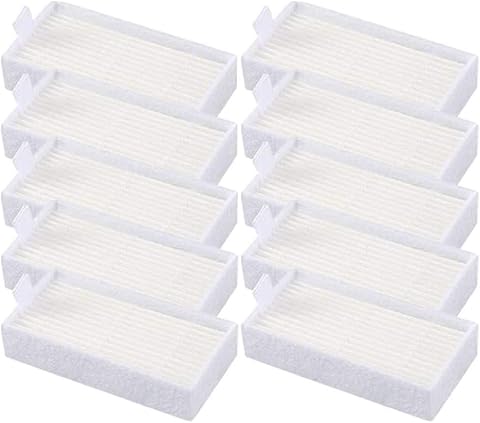
The purchase decision should include the robot’s ongoing needs, not just its headline features. Filters, side brushes, mop pads, and dust bags may need replacement, so check which parts are available for the exact model. Measure the dock area and the clearance beneath furniture before choosing a larger base or taller robot. Hair-heavy homes may require frequent brush cleaning even with a self-emptying dock, because the dock empties the bin rather than clearing tangles. Look for easy access to the roller and filter, since a difficult maintenance routine can make a feature-rich machine less appealing. Paying more for automation is sensible only when it reduces a task you would otherwise do often.
Frequently Asked Questions
Is LiDAR worth choosing over a simpler robot vacuum?
LiDAR is most useful when your home has several rooms or you want repeatable, mapped cleaning rather than a less directed route. It can make scheduling specific rooms and setting boundaries easier, depending on the app. It does not guarantee that the robot will avoid small objects or climb every threshold. In a compact, mostly open space, a simpler model may handle your needs without paying for mapping controls you will rarely use. I would prioritize LiDAR when room-by-room control is a real part of your routine.
Should I choose self-emptying or a stronger suction claim?
Choose based on the task that causes more friction in your home. Self-emptying reduces frequent bin handling, which can matter with daily runs, pets, or dust sensitivity; a higher stated suction figure may be more relevant if you have carpet and debris that needs stronger pickup. Neither feature guarantees better overall cleaning, and a dock still needs bag or bin maintenance. Brush design and carpet compatibility deserve attention alongside the suction claim. If most of your floors are hard and the onboard bin is easy to empty, the dock may be less valuable than a well-matched cleaning system.
Can a budget robot vacuum with a mop replace regular mopping?
Usually, a robot mop is better suited to light, routine maintenance than dried spills, sticky residue, or a full manual scrub. The pad and water system also need regular cleaning, so the combo does not remove all hands-on work. Homes with mostly hard floors may appreciate the extra pass, while carpet-heavy homes may use the mop function infrequently. Check how the model handles rugs with the mop attached and whether the pad is easy to remove and wash. If you need stronger stain removal, keep a conventional mop for occasional deeper cleaning.
Will LiDAR robot vacuums work in a home with pets and clutter?
LiDAR can help a robot keep a map and clean rooms in a planned route, but it does not mean every model can recognize and avoid pet toys, cords, or accidents. Clearing loose items before scheduled runs remains a useful habit. For shedding pets, look at brush access, filter upkeep, and how often you may need to empty or clean the system, not suction claims alone. A self-emptying dock can reduce bin handling but will not prevent hair wrapping around the roller. If your floors are often cluttered, favor obstacle-handling details and easy maintenance over a larger headline spec.
What should I check before buying a self-emptying model for a small home?
Measure the dock footprint and leave enough room for the robot to approach and leave it without obstruction. Check the robot’s height against furniture clearance and the base’s height against the intended outlet area. A compact home may not need a long emptying interval if the onboard bin is easy to reach and the robot runs infrequently. Also account for dust bags or other dock supplies, since the base shifts rather than removes maintenance. If space is tight, a standard charging dock can preserve more floor area and simplify placement.
Conclusion
For the strongest balance of listed suction and hands-off upkeep, I would start with the Roborock Q7 M5+ as best overall. The Dreame D20 Plus is a strong alternative for buyers who put self-emptying convenience near the top of their list, while the Roborock Q7 L5 offers a similar family direction with a lower stated suction figure. For a value-focused choice, compare the Bagotte 6000Pa LiDAR combo and the VONKO 8000Pa self-emptying model against the exact features you will use; the listing details alone do not establish which cleans better. Beginners who want a simpler vacuum-focused setup should look at the Roomba 105, while pet owners should favor accessible brush maintenance and a dock if frequent bin emptying is a nuisance. If you want mopping, choose a combo model only when you are willing to wash and maintain the pad. My final choice would depend on whether your main priority is mapped control, less bin handling, or keeping the setup simple.