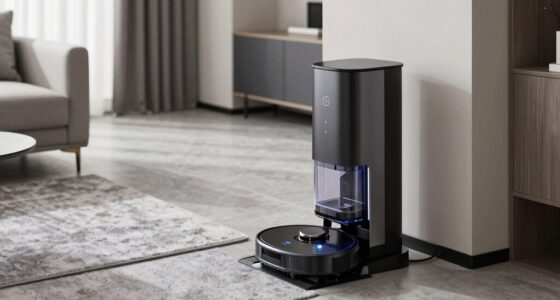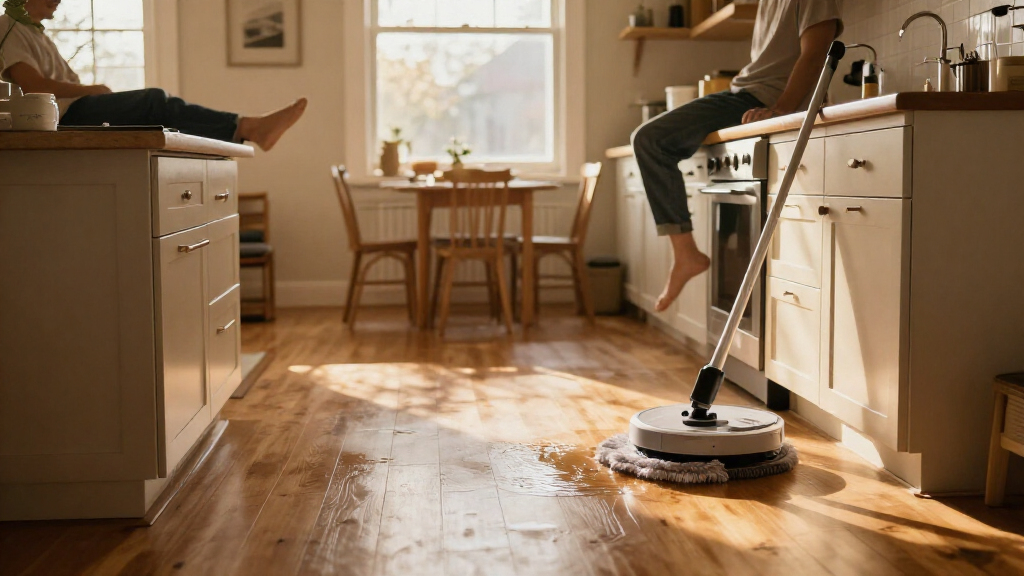
Among these robot mops for hard floors, I rank the Dreame L40 Ultra Gen 2 as the best overall for shoppers seeking a feature-rich vacuum-and-mop system, while the Roborock Q7 M5+ stands out for its self-emptying dock and the EVERYBOT EDGE2 for dedicated hard-floor mopping. The main choice is between a mop-focused robot that spends its effort on floor wiping and a combo model that vacuums as well, often with more setup and upkeep. Navigation, dock features, and how much cleaning you want to do by hand can matter as much as suction or runtime. I ranked all 15 by how well their features suit hard-floor routines, not by specs alone. Read on for the full breakdown, selection criteria, and advice on choosing the right kind of robot for your home.

Get cleaning gear delivered free with Prime
- Fast, free delivery on millions of items
- Prime Video, Amazon Music and more included
- Member-only deals all year
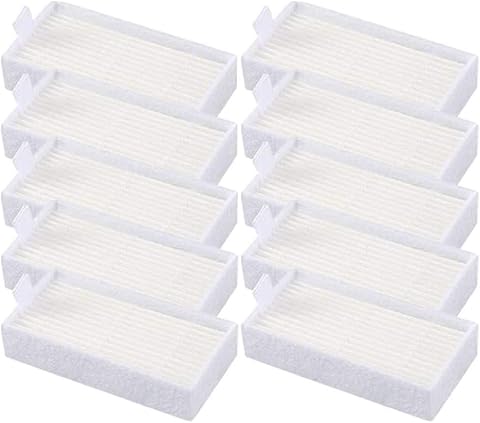
Complete the kit


Key Takeaways
The roundup splits into two types: the EVERYBOT EDGE2 and Three-Spin Slim are dedicated mops, while most other picks combine vacuuming and mopping. Choose based on whether you need dust pickup from rugs and other surfaces as well as hard-floor care.
Docks change the workload, not just the footprint: self-emptying options such as the Roborock Q7 M5+ and iRobot Roomba 104 Combo reduce bin handling, but a dock does not automatically remove every mop-related cleaning task.
Navigation features separate routine-friendly combos from simpler picks: the Bagotte M6 and H6 Pro list LiDAR navigation, while the E8S uses gyro navigation. That difference can affect how confidently a robot plans a route through a furnished home.
Mopping and vacuuming specs are not interchangeable: high listed suction, such as the Bagotte M6’s 8000Pa, speaks to vacuum pickup, not how effectively a robot handles dried spills or edge wiping.
Specialists may suit mop-first homes better than feature-packed combos: the EVERYBOT models put hard-floor mopping at the center, while the Dreame L40 Ultra Gen 2 is the more feature-rich choice for buyers who want an all-in-one system and accept greater complexity.
| MONSGA Robot Vacuum and Mop with Self-Emptying Base |  | Best for Multi-Floor Homes | Navigation: LiDAR; stores up to 5 floor plans | Dust bag capacity: 4 L | Water tank capacity: 460 ml | VIEW LATEST PRICE | See Our Full Breakdown |
| Lefant M210 Omni Robot Vacuum and Mop |  | Best for Roller-Based Hard-Floor Cleaning | Navigation: ToF | Suction power: Up to 20,000 Pa | Roller speed and pressure: 240 RPM; 15 N | VIEW LATEST PRICE | See Our Full Breakdown |
| EVERYBOT EDGE2 Dual-Spinning Robot Mop for Hard Floors |  | Best Dedicated Mop for Quiet Cleaning | Model: RS350 | Cleaning system: Dual spinning mop pads | Surface: Hard floors | VIEW LATEST PRICE | See Our Full Breakdown |
| VONKO S6Pro Robot Vacuum and Mop with Self-Emptying Station |  | Best for Long Cleaning Sessions | Navigation: LiDAR 2.0 | Runtime: Up to 180 minutes | Suction power: Up to 8,000 Pa | VIEW LATEST PRICE | See Our Full Breakdown |
| ROPVACNIC Robot Vacuum and Mop Combo, 5200 Pa |  | Best for Flexible Everyday Controls | Suction power: 5,200 Pa | Functions: Vacuuming and mopping | Water adjustment: Four-stage | VIEW LATEST PRICE | See Our Full Breakdown |
| Bagotte M6 Robot Vacuum and Mop Combo, 8000Pa, LiDAR Navigation |  | Best for Mapped Cleaning on Hard Floors | Suction power: 8000Pa | Navigation: LiDAR | Cleaning functions: Sweeping, vacuuming, and mopping | VIEW LATEST PRICE | See Our Full Breakdown |
| Roborock Q7 M5+ Robot Vacuum and Mop with Self-Emptying Dock |  | Best for Low-Maintenance, Pet-Hair Homes | Maximum suction: 10,000Pa | Navigation: PreciSense LiDAR | Dust bag capacity: 2.7L | VIEW LATEST PRICE | See Our Full Breakdown |
| H6 Pro Robot Vacuum and Mop Combo with 6000 Pa Suction and LiDAR Navigation |  | Best for Multi-Level Homes | Suction power: 6000Pa | Navigation: 360° LiDAR with multi-level mapping | Dust collection station capacity: 3L | VIEW LATEST PRICE | See Our Full Breakdown |
| Tikom G8000 Max Robot Vacuum and Mop Combo |  | Best for Flexible, No-Fuss Controls | Suction power: 5000Pa | Battery life: Up to 150 minutes | Dustbin capacity: 450ml | VIEW LATEST PRICE | See Our Full Breakdown |
| EVERYBOT Three-Spin Slim Robot Mop for Hard Floors |  | Best Dedicated Hard-Floor Scrubber | Model: TS450 | Surface recommendation: Hard floor | Height: 3.27 inches | VIEW LATEST PRICE | See Our Full Breakdown |
| iRobot Braava Jet M6 Wi-Fi Connected Robot Mop |  | Best Dedicated Mop for Sticky Messes | Navigation: iAdapt 3.0 with vSLAM | Mapping: Imprint Smart Mapping | Controls: App, Alexa, or Google Assistant | VIEW LATEST PRICE | See Our Full Breakdown |
| E8S Robot Vacuum and Mop, 6500 Pa Suction, Gyro Navigation, 200-Minute Runtime |  | Best for Long Runs on Mixed Floors | Maximum suction: 6500 Pa | Suction modes: Eco 800 Pa, Standard 1600 Pa, Strong 3000 Pa, Max 6500 Pa | Runtime: Up to 200 minutes in Eco mode | VIEW LATEST PRICE | See Our Full Breakdown |
| iRobot Roomba 104 Combo Robot Vacuum and Mop with AutoEmpty Dock |  | Best for Rug-Aware Mixed-Floor Homes | Navigation: ClearView LiDAR | Cleaning modes: Vacuum, mop, or vacuum and mop | AutoEmpty capacity: Up to 75 days of debris | VIEW LATEST PRICE | See Our Full Breakdown |
| Dreame L40 Ultra Gen 2 Robot Vacuum and Mop |  | Best Premium Hands-Off Floor Care | Suction power: Up to 25,000 Pa | Battery capacity: 5,200 mAh | Battery life: Up to 231 minutes | VIEW LATEST PRICE | See Our Full Breakdown |
| Tikom L8000 Plus Robot Vacuum and Mop with Self-Emptying Base |  | Best for Multi-Floor Mapping and Self-Emptying | Suction: Up to 6000 Pa | Dustbag capacity: 3 liters | Navigation: 360° LiDAR | VIEW LATEST PRICE | See Our Full Breakdown |
| robot mops for hard floor | Navigation | Battery life |
|---|---|---|
| MONSGA Robot Vacuum and Mop wi | LiDAR; stores up to 5 floor plans | — |
| Lefant M210 Omni Robot Vacuum | ToF | 120 minutes |
| EVERYBOT EDGE2 Dual-Spinning R | — | — |
| VONKO S6Pro Robot Vacuum and M | LiDAR 2.0 | — |
| ROPVACNIC Robot Vacuum and Mop | — | 120 minutes |
| Bagotte M6 Robot Vacuum and Mo | LiDAR | 120 minutes |
| Roborock Q7 M5+ Robot Vacuum a | PreciSense LiDAR | 150 minutes |
| H6 Pro Robot Vacuum and Mop Co | 360° LiDAR with multi-level mapping | — |
| Tikom G8000 Max Robot Vacuum a | — | Up to 150 minutes |
| EVERYBOT Three-Spin Slim Robot | — | — |
| iRobot Braava Jet M6 Wi-Fi Con | iAdapt 3.0 with vSLAM | 150 minutes |
| E8S Robot Vacuum and Mop | Gyro and inertial navigation | — |
| iRobot Roomba 104 Combo Robot | ClearView LiDAR | 120 minutes |
| Dreame L40 Ultra Gen 2 Robot V | — | Up to 231 minutes |
| Tikom L8000 Plus Robot Vacuum | 360° LiDAR | — |
More Details on Our Top Picks
MONSGA Robot Vacuum and Mop with Self-Emptying Base
LiDAR mapping for up to five floor plans makes this MONSGA a flexible choice for homes with several levels or distinct cleaning zones. Its 4-liter self-emptying bag reduces routine dustbin chores, while recharge-and-resume support helps the robot cover more ground across its stated runtime. For hard-floor upkeep, the 460 ml water tank adds a useful mop function, but this is still a vacuum-and-mop combo rather than a dedicated roller scrubber like the Lefant M210 Omni. I’d choose MONSGA for mapping flexibility and low-touch vacuum maintenance, not for the strongest evidence of floor scrubbing. There’s also a specification conflict: suction is listed as both 10,000 Pa and 8,000 Pa, so I wouldn’t base a purchase decision on that figure. The 2.4 GHz-only Wi-Fi may also limit setup options in some homes.
Pros:- Stores up to five LiDAR floor plans and supports no-go zones
- 4-liter dust bag reduces how often the vacuum bin needs attention
- Up to 160 minutes of runtime with recharge-and-resume support
- Combines vacuuming and mopping with app, remote, button, and voice controls
Cons:- Suction is inconsistent across the supplied product information: 8,000 Pa versus 10,000 Pa
- Only supports 2.4 GHz Wi-Fi
- Mopping uses a water tank rather than the Lefant M210 Omni’s roller-washing system
Best for: Households with multiple floor plans that want mapped vacuum-and-mop upkeep and less frequent dustbin emptying
Not ideal for: Buyers who need a dedicated roller mop for heavier hard-floor scrubbing or whose Wi-Fi network relies on 5 GHz
- Navigation:LiDAR; stores up to 5 floor plans
- Dust bag capacity:4 L
- Water tank capacity:460 ml
- Battery capacity:3200 mAh
- Runtime:Up to 160 minutes
- Controls and connectivity:App, buttons, remote, and voice; 2.4 GHz Wi-Fi
- Supported surfaces:Hard floor, carpet, hardwood, laminate, luxury vinyl, and tile
Our verdict“Choose MONSGA if multi-floor mapping and a large self-emptying bag matter more than a dedicated roller-mopping system.”
Lefant M210 Omni Robot Vacuum and Mop
The Lefant M210 Omni is the most mop-focused combo in this group: its roller mop washes at the base and dries with cool air, reducing the need to handle a damp pad after a run. Fresh-water cleaning and a stated 15 N roller pressure make it a more floor-care-oriented pick than the MONSGA, whose mop relies on a water tank. The base also holds 2.4 liters of clean water and 1.5 liters of dirty water, giving the roller system room for ongoing maintenance between refills. The tradeoff is a narrower fit: Lefant lists hard floors only, so it is less versatile than the VONKO S6Pro, which also vacuums carpets. Its 120-minute battery life is another limitation for larger spaces, and it uses 2.4 GHz Wi-Fi. I’d pick it when roller upkeep matters more than all-surface flexibility.
Pros:- Base station washes and cool-air dries the roller
- Fresh-water system with separate clean- and dirty-water tanks
- ToF navigation supports schedules, virtual walls, and no-go zones
- Tangle-free suction design is intended to reduce hair wrapping
Cons:- Listed surface recommendation is limited to hard floors
- 120-minute battery life is shorter than the MONSGA’s stated 160 minutes and VONKO’s 180 minutes
- Only supports 2.4 GHz Wi-Fi
Best for: Homes with mostly hard flooring where buyers want a roller mop that is washed and dried by its base
Not ideal for: Households needing one robot to clean carpets as well as hard floors, or homes that depend on 5 GHz Wi-Fi
- Navigation:ToF
- Suction power:Up to 20,000 Pa
- Roller speed and pressure:240 RPM; 15 N
- Roller width:7.9 in
- Water tanks:2.4 L clean water; 1.5 L dirty water
- Dustbin capacity:800 ml
- Height and diameter:85 mm (3.35 in) high; 280 mm (11.02 in) diameter
- Battery life:120 minutes
- Controls and connectivity:App and button; Alexa and Google Assistant compatible; 2.4 GHz Wi-Fi
Our verdict“Pick the Lefant M210 Omni for a more automated roller-mopping routine, provided your cleaning is focused on hard floors.”
EVERYBOT EDGE2 Dual-Spinning Robot Mop for Hard Floors
Unlike the vacuum-and-mop combos here, the EVERYBOT EDGE2 is a dedicated hard-floor mop built around dual spinning pads rather than suction. The pads scrub using the robot’s weight and friction, and their protruding edges are designed to reach along corners and furniture edges. Its 42 dB operating level is a useful distinction for daytime cleaning in occupied rooms, while the 3.5-inch profile can fit beneath some low furniture. Four water settings let buyers adjust moisture for different hard-floor routines. That focused design also means it cannot replace the ROPVACNIC or VONKO as a floor-wide vacuum: carpet cleaning is not established, and no filter is listed. The remote-only controls are simpler than app scheduling on the Lefant M210 Omni. I’d choose EDGE2 for quiet, targeted mopping, not as an all-in-one cleaning robot.
Pros:- Dual spinning pads scrub hard floors using the robot’s weight and friction
- Quiet listed operating level of 42 dB
- Slim 3.5-inch profile is designed to reach under furniture
- Four adjustable water levels allow different moisture settings
Cons:- Does not provide the vacuuming function offered by the MONSGA or ROPVACNIC
- Carpet cleaning is not established; it is specified for hard floors
- Remote control only, with no app control or filter listed
Best for: Buyers who already vacuum separately and want a quiet, slim robot devoted to hard-floor mopping
Not ideal for: Households seeking vacuuming, app-based scheduling, or a robot that can clean carpet
- Model:RS350
- Cleaning system:Dual spinning mop pads
- Surface:Hard floors
- Water tank capacity:210 ml
- Water settings:4 adjustable levels
- Noise level:42 dB
- Weight:3.2 lb
- Dimensions:3.5 × 3.5 × 3.5 in
- Controls and power:Remote control; lithium-ion battery; battery-powered
Our verdict“Choose the EDGE2 if you want a quiet, dedicated hard-floor mop and already have vacuuming covered.”
VONKO S6Pro Robot Vacuum and Mop with Self-Emptying Station
The VONKO S6Pro pairs up to 180 minutes of runtime with LiDAR mapping for as many as five floors, giving it a strong fit for larger homes that need one mapped vacuum-and-mop routine. Compared with MONSGA, it offers a longer stated run but a smaller 2.5-liter dust bag; MONSGA’s bag is 4 liters. VONKO also covers carpets for vacuuming while reserving mopping for hard floors, so it is more adaptable than the hard-floor-only Lefant M210 Omni. App controls support room selection and no-go zones, with Alexa compatibility for voice commands. The main compromise is that mopping remains a secondary function rather than a roller system that washes itself at the dock. The self-emptying bag also needs periodic replacement. I’d favor VONKO for long mapped runs across mixed flooring, not for hands-off roller care.
Pros:- Up to 180 minutes of runtime per charge
- LiDAR mapping supports up to five floors and room customization
- Self-emptying station holds a 2.5-liter dust bag
- Vacuums carpets and mops hard floors, with app and Alexa controls
Cons:- Mopping is limited to hard floors and lacks the Lefant M210 Omni’s roller-washing base
- Self-emptying bags need periodic replacement
- Its 2.5-liter bag is smaller than the MONSGA’s 4-liter capacity
Best for: Owners of larger, multi-level homes who want long mapped vacuuming runs and hard-floor mopping in one robot
Not ideal for: Buyers who prioritize automatic mop-roller washing or want a larger dust bag than the MONSGA provides
- Navigation:LiDAR 2.0
- Runtime:Up to 180 minutes
- Suction power:Up to 8,000 Pa
- Dust bag capacity:2.5 L
- Mapping:Up to 5 floors
- Surface compatibility:Vacuuming on hard floors and carpets; mopping on hard floors
- Controls:App and voice; Alexa compatible
- Battery type:Lithium-ion
Our verdict“Choose the VONKO S6Pro for extended mapped cleaning across a larger mixed-floor home, rather than for advanced mop maintenance.”
ROPVACNIC Robot Vacuum and Mop Combo, 5200 Pa
ROPVACNIC suits buyers who want several ways to start and adjust a basic vacuum-and-mop routine: it offers app, remote, touchpad, and voice controls, plus four water-flow settings and three suction levels. That flexibility gives it a practical everyday role, while its brush-free design and side brushes are intended to collect pet hair with less hair wrapping around a central brush. It also returns to recharge automatically and is described as detecting obstacles. Compared with the VONKO S6Pro, it lacks listed LiDAR multi-floor mapping and a self-emptying station, so it is a simpler fit for routine cleaning rather than mapped whole-home management. The 120-minute battery life and low-pile carpet recommendation also narrow its reach in larger or mixed-floor homes. I’d choose it for adjustable, accessible controls, not for advanced navigation or a self-cleaning mop dock.
Pros:- Four-stage water adjustment and three suction levels
- App, remote, touchpad, and voice control options
- Brush-free design with side brushes is intended to help collect pet hair
- Automatically detects obstacles and returns to recharge
Cons:- No self-emptying station or roller-washing dock is listed, unlike the VONKO S6Pro and Lefant M210 Omni
- Recommended for low-pile carpets, limiting use on thicker carpet
- 120-minute battery life and no listed multi-floor mapping may not suit larger homes
Best for: Pet owners in smaller homes who want adjustable water flow and multiple ways to control routine hard-floor cleaning
Not ideal for: Buyers needing LiDAR room mapping, self-emptying, roller washing, or dependable cleaning across thick carpets
- Suction power:5,200 Pa
- Functions:Vacuuming and mopping
- Water adjustment:Four-stage
- Suction levels:3
- Battery life:120 minutes
- Surface recommendation:Hardwood floors and low-pile carpets
- Control options:App, remote, touchpad, and voice
- Voice assistant compatibility:Amazon Echo and Google Home
- Filter:Multi-layer high-efficiency filtration
Our verdict“Pick ROPVACNIC for flexible controls and adjustable everyday cleaning, but choose a mapped docked model for larger homes or more automated upkeep.”
Bagotte M6 Robot Vacuum and Mop Combo, 8000Pa, LiDAR Navigation
The Bagotte M6 is a sensible pick for hard-floor homes that want vacuuming and mopping in one scheduled run, with LiDAR mapping and app-set no-go zones to help keep routes organized. Its listed 8,000Pa suction is substantial for a combo model, though the product data recommends it for hard floors, so I would not choose it primarily for carpet cleaning. Compared with the Tikom G8000 Max, the M6 offers LiDAR navigation rather than a set of listed cleaning modes, making mapped room coverage its clearer advantage. The tradeoff is a 0.3-liter capacity and 2.4GHz-only Wi-Fi, which can mean more frequent attention and a connectivity mismatch in homes using only 5GHz. It suits buyers who value room mapping over extra control options.
Pros:- LiDAR navigation maps rooms and plans cleaning routes.
- Combines sweeping, vacuuming, and mopping.
- App supports virtual no-go zones.
- Works with voice controls including Alexa and Google Assistant.
Cons:- Connects to 2.4GHz Wi-Fi only.
- The 0.3-liter capacity may call for more frequent emptying on larger jobs.
- Carpet cleaning is mentioned, but the listed surface recommendation is hard floors.
Best for: Hard-floor households that want LiDAR-mapped vacuuming and mopping with app-set no-go zones.
Not ideal for: Homes relying on 5GHz-only Wi-Fi or buyers who need a robot specifically recommended for regular carpet cleaning.
- Suction power:8000Pa
- Navigation:LiDAR
- Cleaning functions:Sweeping, vacuuming, and mopping
- Battery life:120 minutes
- Capacity:0.3 liters
- Cleaning path width:7.11 inches
- Wi-Fi:2.4GHz only
- Controls:App, buttons, and voice
Our verdict“Choose the Bagotte M6 if mapped cleaning and app-defined boundaries matter more than carpet-focused guidance or broader Wi-Fi support.”
Roborock Q7 M5+ Robot Vacuum and Mop with Self-Emptying Dock
For buyers who want a robot to handle frequent floor upkeep with fewer dustbin chores, the Roborock Q7 M5+ pairs 10,000Pa suction and dual anti-tangle brushes with a self-emptying dock. Its 2.7-liter dust bag is advertised to last up to 7–9 weeks, a major convenience over the Bagotte M6, which lists a 0.3-liter capacity and no self-emptying dock. On hard floors, the three water-flow settings let users adjust mopping output, while PreciSense LiDAR and app no-go zones support orderly room cleaning. The tradeoff is that the long bag interval is a stated maximum, not a guarantee, and the robot still needs water-tank care for mopping. It also supports 2.4GHz Wi-Fi only. This is the strongest fit here for pet owners who want less routine dust handling.
Pros:- 10,000Pa maximum suction and dual anti-tangle brushes are suited to hair and debris pickup.
- Self-emptying dock has a 2.7-liter dust bag advertised for up to 7–9 weeks between changes.
- PreciSense LiDAR mapping supports schedules and app-set no-go zones.
- Three water-flow settings allow adjustment for different hard-floor cleaning needs.
Cons:- Wi-Fi support is limited to 2.4GHz.
- The advertised 7–9-week dustbag interval depends on usage and home conditions.
- Mopping still requires attention to water supply and floor suitability.
Best for: Pet-owning households with hard floors that want strong vacuuming, anti-tangle brushes, and less frequent dustbag changes.
Not ideal for: Buyers seeking app connectivity on 5GHz Wi-Fi or a mop setup that requires little ongoing water-related maintenance.
- Maximum suction:10,000Pa
- Navigation:PreciSense LiDAR
- Dust bag capacity:2.7L
- Battery life:150 minutes
- Water-flow settings:3
- Surface recommendations:Wood, tile, marble, and carpet
- Noise level:65dB
- Wi-Fi support:2.4GHz only
Our verdict“Pick the Q7 M5+ if pet-hair pickup and reduced dustbin handling outrank simpler, smaller combo designs such as the Bagotte M6.”
H6 Pro Robot Vacuum and Mop Combo with 6000 Pa Suction and LiDAR Navigation
The H6 Pro stands out for homes where one robot needs to cover more than one mapped floor: its 360° LiDAR and multi-level mapping pair with up to 150 minutes of runtime and recharge-and-resume cleaning. The 3-liter dust collection station reduces routine bin emptying, while app and voice controls provide schedules and no-go zones. Compared with the Roborock Q7 M5+, the H6 Pro has a larger stated collection-station capacity, but the Roborock offers higher listed suction and anti-tangle brushes aimed at pet hair. The H6 Pro’s own 250ml dustbin and 310ml water tank can still need attention during larger cleaning jobs; its advertised 90 days of hands-free cleaning depends on household use. For hard-floor owners with multiple mapped levels, its navigation is the main reason to choose it.
Pros:- 360° LiDAR supports multi-level mapping.
- 3-liter collection station is designed to reduce frequent dust emptying.
- Up to 150 minutes of runtime with automatic recharge and resume.
- App, touch, Alexa, and Google Assistant controls support scheduled jobs and no-go zones.
Cons:- The 250ml dustbin and 310ml water tank may need attention during larger jobs.
- The stated 90-day hands-free interval varies with use and home conditions.
- Listed suction is lower than the Roborock Q7 M5+.
Best for: Multi-level households that want mapped cleaning, automatic dust collection, and app or voice scheduling.
Not ideal for: Large homes needing fewer mid-job water refills, or pet owners who prioritize the higher listed suction and anti-tangle brushes of the Roborock Q7 M5+.
- Suction power:6000Pa
- Navigation:360° LiDAR with multi-level mapping
- Dust collection station capacity:3L
- Dustbin capacity:250ml
- Water tank capacity:310ml
- Runtime:Up to 150 minutes
- Cleaning modes:Sweep, vacuum, and mop
- Warranty:2 years
Our verdict“Choose the H6 Pro for multi-level mapping and automated dust collection, but favor the Roborock Q7 M5+ if stronger listed suction is the priority.”
Tikom G8000 Max Robot Vacuum and Mop Combo
The Tikom G8000 Max suits buyers who prefer a straightforward combo with several ways to start a job: app, remote, voice, or onboard buttons. Its four modes—spot, edge, zig-zag, and manual—make it easier to target a particular area than the Bagotte M6’s listed feature set, while the 2.99-inch height can help it reach beneath some low furniture. It vacuums and mops in one pass and offers up to 150 minutes of runtime, but the supplied details do not list LiDAR mapping or virtual no-go zones. Compared with the EVERYBOT TS450, it is more versatile because it vacuums as well as mops; the EVERYBOT is the more floor-focused scrubbing option, with spinning pads and downward pressure. The Tikom’s 300ml water tank still sets a limit on mop coverage before service is needed.
Pros:- Vacuums and mops in one pass.
- App, remote, voice, and button controls offer flexible operation.
- Four modes include spot, edge, zig-zag, and manual cleaning.
- Up to 150 minutes of runtime with automatic recharging.
Cons:- The 300ml water tank may require refills for larger mopping jobs.
- The supplied product data does not list LiDAR navigation or no-go zones.
- Its 5000Pa suction is lower than the Bagotte M6 and Roborock Q7 M5+ figures.
Best for: Hard-floor households wanting a low-profile vacuum-and-mop combo with remote controls and several targeted cleaning modes.
Not ideal for: Buyers who need listed LiDAR mapping, virtual no-go zones, or a dedicated spinning-pad mop for scrubbing.
- Suction power:5000Pa
- Battery life:Up to 150 minutes
- Dustbin capacity:450ml
- Water tank capacity:300ml
- Cleaning modes:Spot, edge, zig-zag, and manual
- Height:2.99 inches
- Noise level:45dB
- Dimensions:12.6 x 12.6 x 3 inches
Our verdict“Choose the G8000 Max for accessible controls and vacuum-mop versatility, rather than mapped navigation or dedicated pad scrubbing.”
EVERYBOT Three-Spin Slim Robot Mop for Hard Floors
Unlike the vacuum-mop combos in this group, the EVERYBOT TS450 is built specifically to mop hard floors: three spinning pads and downward pressure are intended to scrub dirt rather than simply add a wipe pass after vacuuming. Its extended pads and 3.27-inch profile help reach edges and some low-clearance spaces, and six cleaning modes offer more mop-focused choices than the Tikom G8000 Max’s mixed vacuum-and-mop approach. The TS450 also runs for up to 200 minutes and is rated at 43dB, making it a quiet option for longer sessions. The clear compromise is that it does not vacuum, so floors need a separate vacuuming routine. Button and remote operation also replace app scheduling and Wi-Fi features found on models such as the Bagotte M6.
Pros:- Three spinning pads and downward pressure target stuck-on dirt.
- Extended pads and slim height support edge and under-furniture cleaning.
- Up to 200 minutes of runtime.
- Quiet 43dB operation with six cleaning modes.
Cons:- Mops only and does not vacuum debris.
- No app or Wi-Fi control; operation is through buttons or remote.
- Designed for hard floors, not carpets.
Best for: Owners of sealed hard floors who already vacuum separately and want a quiet robot focused on scrubbing coverage.
Not ideal for: Buyers seeking one device to vacuum and mop, or those who want app control, Wi-Fi scheduling, or carpet cleaning.
- Model:TS450
- Surface recommendation:Hard floor
- Height:3.27 inches
- Cleaning path width:12.6 inches
- Maximum runtime:200 minutes
- Cleaning modes:6
- Noise level:43dB
- Connectivity:No app or Wi-Fi
Our verdict“Pick the TS450 when hard-floor scrubbing matters more than vacuuming in one device or app-based control.”
iRobot Braava Jet M6 Wi-Fi Connected Robot Mop
The Braava Jet M6 is the clearest choice here for buyers who want a machine focused on mopping rather than a vacuum-mop combo. Its precision jet spray is aimed at sticky spills, grime, and kitchen grease, while Imprint Smart Mapping lets you select rooms instead of treating the whole floor as one zone. Compared with the Roomba 104 Combo, it gives up vacuuming and an auto-empty dock, but offers a more mop-centered approach to hard-floor messes. The 150-minute battery life and recharge-and-resume function help with larger mapped areas. The tradeoff is more hands-on setup: you attach a cleaning pad, and the sensors need protection from direct sprays. Choose it for targeted hard-floor care, not for all-in-one debris pickup.
Pros:- Precision jet spray is designed to address sticky messes and kitchen grease.
- Smart mapping supports selecting individual rooms.
- Recharge-and-resume helps it continue larger cleaning jobs.
- App and Alexa or Google Assistant controls allow scheduled or voice-directed cleaning.
Cons:- Does not vacuum or collect dry debris.
- Mopping or sweeping pads must be attached.
- Sensors can be damaged if water or cleaning solution is sprayed onto them.
Best for: Households with mostly hard flooring that want targeted mopping for kitchen grime and sticky spills, and already have a separate vacuum.
Not ideal for: Buyers seeking one robot to vacuum, mop, and manage debris automatically, or anyone unwilling to attach and replace mopping pads.
- Navigation:iAdapt 3.0 with vSLAM
- Mapping:Imprint Smart Mapping
- Controls:App, Alexa, or Google Assistant
- Battery life:150 minutes
- Surface recommendation:Hard floors
- Dimensions:10.6 × 10.6 × 3.5 inches
- Weight:4.9 pounds
- Warranty:1-year limited
Our verdict“Choose the Braava Jet M6 if hard-floor mopping is your priority and you do not need a built-in vacuum.”
E8S Robot Vacuum and Mop, 6500 Pa Suction, Gyro Navigation, 200-Minute Runtime
The E8S suits buyers who want a single machine to vacuum and mop, with enough runtime for extended cleaning in Eco mode. Its 200-minute maximum runtime is the longest listed here, though that figure depends on using the lowest suction setting; higher suction will shorten a run. Four suction levels let you adapt vacuuming to the job, while gyro and inertial navigation guide its zigzag, spot, and edge routines. Compared with the Tikom L8000 Plus, it has no self-emptying base or LiDAR maps, so it asks for more routine bin care and offers less map-based control. Its 200 ml water tank and 300 ml dustbin also point to a more basic, compact cleaning setup. The 2.4 GHz Wi-Fi restriction and low-pile-carpet limit narrow its appeal for some mixed-floor homes.
Pros:- Combines vacuuming and mopping in one device.
- Up to 200 minutes of runtime in Eco mode suits longer cleaning sessions.
- Four suction levels offer more adjustment than a single-power routine.
- App, remote, and Google Assistant controls provide several ways to start cleaning.
Cons:- The 200-minute runtime applies to Eco mode and varies with suction setting.
- App connectivity supports 2.4 GHz Wi-Fi only.
- Gyro and inertial navigation lack the detailed room mapping available on LiDAR models such as the Tikom L8000 Plus.
Best for: Budget-conscious households with hard floors and some low-pile carpet that want vacuuming and mopping in one robot, plus long Eco-mode runs.
Not ideal for: Buyers who need detailed room maps, a self-emptying base, or reliable app setup on a 5 GHz-only Wi-Fi network.
- Maximum suction:6500 Pa
- Suction modes:Eco 800 Pa, Standard 1600 Pa, Strong 3000 Pa, Max 6500 Pa
- Runtime:Up to 200 minutes in Eco mode
- Coverage:Up to 1290 sq. ft.
- Dustbin capacity:300 ml
- Water tank capacity:200 ml
- Navigation:Gyro and inertial navigation
- Wi-Fi compatibility:2.4 GHz only
- Warranty:12 months
Our verdict“Pick the E8S for long, straightforward vacuum-and-mop runs if you can live without LiDAR mapping and self-emptying.”
iRobot Roomba 104 Combo Robot Vacuum and Mop with AutoEmpty Dock
The Roomba 104 Combo is a practical match for homes where hard floors share space with rugs. Its standout hard-floor advantage is rug detection while mopping, which helps reduce the chance of dampening rugs without requiring the room to be entirely rug-free. ClearView LiDAR supports room mapping and keep-out zones, while the AutoEmpty Dock holds up to 75 days of debris, cutting down on frequent bin emptying. Against the mop-focused Braava Jet M6, this Roomba adds vacuuming and debris management, though it is less dedicated to sticky-mess mopping. It can vacuum, mop, or combine both, making it flexible for daily routines. The main caveats are its 2.4 GHz Wi-Fi requirement and limited cleaning-solution compatibility; buyers should check supported products before planning to use a preferred solution.
Pros:- Detects and avoids rugs while mopping.
- ClearView LiDAR supports room targeting and keep-out zones.
- AutoEmpty Dock stores up to 75 days of debris.
- Separate vacuum, mop, and combined cleaning modes suit changing floor-care needs.
Cons:- Requires a 2.4 GHz Wi-Fi network for connectivity.
- Cleaning-solution compatibility is limited to supported products.
- Its combined design is less specialized for sticky-mess mopping than the Braava Jet M6.
Best for: Homes with a mix of hard floors and rugs that want LiDAR mapping, automatic debris emptying, and rug-aware mopping.
Not ideal for: Buyers who want a dedicated mop for targeted sticky messes, use only 5 GHz Wi-Fi, or need broad cleaning-solution compatibility.
- Navigation:ClearView LiDAR
- Cleaning modes:Vacuum, mop, or vacuum and mop
- AutoEmpty capacity:Up to 75 days of debris
- Battery life:120 minutes
- Cleaning path width:5.8 inches
- Connectivity:2.4 GHz Wi-Fi
- Controls:App, buttons, and voice assistant
- Surface recommendation:Carpet and hard floor
Our verdict“Choose the Roomba 104 Combo if you want one mapped robot to handle hard floors and rugs with less frequent debris disposal.”
Dreame L40 Ultra Gen 2 Robot Vacuum and Mop
For buyers who want hard-floor mopping with less dock maintenance, the Dreame L40 Ultra Gen 2 brings the most extensive care system in this group. Its dock can auto-empty, wash the mop, and dry it with hot air, reducing the manual cleanup that comes with simpler robots such as the E8S. DuoScrub mopping and an extendable mop and side brush are designed to reach corners and areas under furniture, while the 0.41-inch mop lift and carpet modes help it handle transitions between floor types. High suction adds strong vacuuming capability, but this is a complex vacuum-mop system rather than a simple mop. Automatic cleaning-solution filling requires a separately purchased module, and Wi-Fi is limited to 2.4 GHz and USA use. Its feature set makes most sense for buyers prepared to manage a larger dock and its setup.
Pros:- Dock auto-empties, washes the mop, and dries it with hot air.
- Extendable mop and side brush are designed to reach corners and under furniture.
- DuoScrub mopping and adjustable suction support varied floor-care routines.
- Mop lift and carpet modes help it manage mixed flooring.
Cons:- Automatic cleaning-solution filling requires a separately purchased module.
- Wi-Fi support is limited to 2.4 GHz and USA use.
- The advanced dock and feature set may be unnecessary for smaller homes with simple hard-floor needs.
Best for: Households with extensive hard flooring that want a mop-washing and hot-air-drying dock, plus detailed corner and under-furniture cleaning.
Not ideal for: Buyers seeking a compact or simple robot, those who need 5 GHz Wi-Fi, or anyone expecting automatic solution filling without an extra module.
- Suction power:Up to 25,000 Pa
- Battery capacity:5,200 mAh
- Battery life:Up to 231 minutes
- Cleaning area:Up to 1,679 ft²
- Mop lift:0.41 in (10.5 mm)
- Suction levels:5
- Features:DuoScrub mopping, auto-emptying, mop washing, hot-air drying, obstacle avoidance, and carpet modes
- Wi-Fi:2.4 GHz; USA use only
Our verdict“Choose the Dreame L40 Ultra Gen 2 for a high-automation hard-floor routine if you are comfortable with its dock setup and connectivity limits.”
Tikom L8000 Plus Robot Vacuum and Mop with Self-Emptying Base
The Tikom L8000 Plus pairs LiDAR-guided vacuuming and mopping with a self-emptying base, making it a strong fit for homes where keeping up with the dustbin is as much of a concern as floor cleaning. Its 3-liter dustbag is designed for up to 90 days of hands-free debris storage, and saved maps for up to five floors are useful in multi-level homes. Compared with the Roomba 104 Combo, the Tikom lists a longer maximum runtime and broader multi-floor map support, while the Roomba explicitly detects and avoids rugs during mopping. That distinction matters: the L8000 Plus requires removing the mop holder or blocking carpet zones to avoid wetting carpet. Its 150-minute runtime is specified for gentle suction, not every cleaning setting. For a mostly hard-floor layout, its mapping and self-emptying features reduce routine upkeep.
Pros:- 3-liter dustbag is designed for up to 90 days of debris storage.
- 360° LiDAR supports mapping, obstacle avoidance, and saved maps for up to five floors.
- Up to 6000 Pa suction and automatic carpet boost support vacuuming alongside mopping.
- Automatically recharges and resumes cleaning.
Cons:- Mop holder must be removed or carpet zones blocked to avoid wetting carpets.
- The 150-minute runtime is specified for gentle suction mode.
- App connectivity is limited to 2.4 GHz and 5 GHz Wi-Fi.
Best for: Multi-level households with mostly hard floors that want saved LiDAR maps, scheduled room cleaning, and less frequent dustbag changes.
Not ideal for: Homes with many rugs or carpeted areas where switching the mop holder or setting carpet exclusion zones would be inconvenient.
- Suction:Up to 6000 Pa
- Dustbag capacity:3 liters
- Navigation:360° LiDAR
- Saved maps:Up to 5 floors
- Run time:Up to 150 minutes
- Battery:Lithium-ion
- Filter:HEPA
- Noise level:60 dB
- Wi-Fi:2.4 GHz and 5 GHz
Our verdict“Pick the Tikom L8000 Plus if your home has multiple floors and mostly hard flooring, but look to the Roomba 104 Combo for explicit rug avoidance while mopping.”
How We Picked
I compared each model by its fit for hard-floor cleaning, separating dedicated mops from vacuum-mop combos rather than treating them as equivalent. I looked at the stated cleaning approach, navigation, dock and bin setup, runtime information where listed, and the amount of routine attention the design may require. Features such as LiDAR and self-emptying matter when they address real household work, but they do not prove that a robot mops better.
The ranking gives priority to usefulness across a regular floor-cleaning routine: clear role, practical convenience, and a plausible balance of cleaning tasks and upkeep. That is why the Dreame L40 Ultra Gen 2 leads as a broadly capable combo, while specialist mops and simpler combos rank for narrower needs. I also weighed tradeoffs; no model earns a high place just for a large suction figure or a long feature list, and the best fit depends on whether the buyer values mop focus, automation, navigation, or a simpler setup.
Factors to Consider When Choosing Robot Mops For Hard Floors
Before choosing among these robot mops for hard floors, I would decide what work I want the machine to take over and what work I am willing to keep doing. The following factors help separate a useful fit from features that sound appealing but may not solve your household’s main problem.
Choose a Mop Specialist or a Vacuum-Mop Combo
A dedicated robot mop keeps its purpose narrow, which can suit a home where hard floors dominate and vacuuming is already handled another way. A combo can collect everyday dust and mop in one routine, but its floor-wiping setup may be less focused than a mop-first design. Think about the whole home, not just the kitchen: rugs, pet hair, and entryway debris can make vacuuming part of the same chore. A common mistake is assuming any combo replaces a strong manual mop for sticky or dried messes. Check how the robot handles rugs and whether its mopping attachment needs to be removed or managed before a mixed-floor run. Pay for a combo when consolidating tasks matters; choose a specialist when mopping is the priority.
Match Navigation to Your Floor Plan
Navigation matters most when the robot must work around chair legs, narrow passages, and several rooms without frequent rescue. LiDAR-equipped models in this lineup offer a different navigation approach from the E8S’s gyro system, but a feature name alone does not tell you how well a specific home will be covered. Look for details about room mapping, no-go zones, and route control if you need to keep a mop away from rugs or a pet’s water bowl. In an open, uncluttered room, a simpler robot may be adequate and easier to live with. Buyers can overvalue mapping while overlooking whether the app supports the controls they actually need. Measure tight spaces and review the robot’s dimensions before assuming its route planning will solve physical access problems.
Treat Suction as a Vacuum Spec, Not a Mopping Score
Pa ratings describe suction claims for vacuuming; they do not measure pad contact, water delivery, or dried-on stain removal. That distinction matters in this roundup because several combo models advertise high suction figures, which may help with debris pickup but cannot settle a mop-versus-mop comparison. For hard floors, consider how the robot applies its mop, whether it can reach along edges, and what maintenance its pads require. A buyer focused on crumbs and dust may gain more from vacuum performance, while someone dealing with frequent footprints may care more about the mopping mechanism. Do not assume a single pass will replace spot cleaning for spills or sticky residue. Set expectations around routine upkeep rather than treating a robot as a hands-free substitute for every floor-cleaning task.
Budget for the Dock’s Space and Upkeep
A self-emptying base can cut down on handling the robot’s dust bin, but it adds another object to place near an outlet and keep accessible. It also does not mean every part of a mop routine is automatic; pads, tanks, and other components may still call for attention depending on the design. Before choosing a docked model, measure a spot with enough clearance for the robot to approach and leave, and consider whether the base will fit without interrupting walkways. A smaller home may be better served by a simpler setup even if it requires more frequent hands-on care. Buyers often focus on emptying convenience and forget to plan for consumables and routine cleaning. Pay for a dock when reduced bin handling is a meaningful benefit in your household, not just because it sounds more automated.
Check Runtime Against Rooms, Rugs, and Interruptions
A long runtime can help a robot cover a larger area, but it only matters if the robot can complete the desired route and return to its base reliably. The E8S lists a 200-minute runtime, yet that figure alone does not reveal how a cleaning session will perform in a furnished home or with a mop attachment in use. Count the rooms you expect to clean, note thresholds and clutter, and think about whether you want whole-home runs or short daily passes. A robot that needs frequent human correction can make a longer nominal runtime less useful. Likewise, a compact routine may not need the longest-running model. Prioritize a fit between your cleaning schedule and your layout rather than choosing by runtime claims alone.
Plan for Floors, Rugs, and Household Messes
Hard floors vary: sealed tile, vinyl, and finished wood may have different care needs, so check the flooring maker’s cleaning guidance before using any wet-mopping robot. Keep moisture and cleaning-solution instructions in view, especially if the robot’s setup allows liquid to reach surfaces that should stay dry. Rugs create another decision point: confirm how a model handles them during a mop run and whether you can set boundaries where needed. Homes with children or pets may need frequent spot cleaning and clear rules for avoiding toys, cords, bowls, and fresh spills. A common buying mistake is choosing a robot before thinking through these obstacles. Pick a system whose controls and routine suit the messes you actually have, and keep manual cleaning available for exceptions.
Frequently Asked Questions
Should I choose a dedicated robot mop or a vacuum-mop combo?
I would choose a dedicated mop if most of the job is wiping hard floors and you already have a separate way to vacuum. A combo makes more sense when you want one robot to collect dry debris as well as mop. The EVERYBOT EDGE2 and Three-Spin Slim are the mop-focused options here, while the Dreame L40 Ultra Gen 2 and Roborock Q7 M5+ are examples of combo designs. A combo’s extra versatility can bring more setup and maintenance, so it is not automatically the simpler choice. Base the decision on which cleaning task you want to hand off most often.
Does a higher suction number mean a robot will mop better?
No. A suction figure describes vacuuming claims, not how a robot wets, presses, or moves its mop across a hard floor. In this lineup, the Bagotte M6 lists 8000Pa, but that figure should not be read as a stain-removal measure. Compare mopping design and upkeep separately from debris pickup. If your main issue is dust or crumbs, suction may be relevant; if it is footprints or light everyday marks, focus on the mop system and how often you are willing to clean its pads. For dried spills, keep manual spot cleaning in your routine.
Is a self-emptying dock worth it if I mainly have hard floors?
A self-emptying dock can reduce how often you handle collected dry debris, which may be useful if the robot vacuums regularly or your home sheds a lot of dust or hair. It does not necessarily take care of mop pads or every part of the wet-cleaning routine. Docked choices in this roundup include the Roborock Q7 M5+, MONSGA, VONKO S6Pro, Roomba 104 Combo, and Tikom L8000 Plus. Think about floor space, access to an outlet, and ongoing bin or consumable needs before paying for that convenience. If you do not mind emptying a small bin, a dock may add bulk without solving your main chore.
Can I use a robot mop on every hard-floor surface?
No single robot-mop setup should be assumed safe for every material or finish. Check your flooring manufacturer’s care directions and the robot maker’s instructions for water use and approved cleaning solutions. Be especially cautious with surfaces that are sensitive to moisture or have a finish that can be damaged by wet cleaning. If your home mixes floor types, use boundaries or room controls where available to keep the robot away from unsuitable areas. When the guidance is unclear, ask the flooring manufacturer before scheduling wet runs.
Which features should matter most in a cluttered home?
In a cluttered layout, I would put route control, obstacle clearance, and practical room boundaries ahead of headline suction or runtime figures. LiDAR models such as the Bagotte M6 and H6 Pro may appeal to buyers looking for a mapping-focused approach, but the listed navigation type alone does not confirm how well a robot avoids every obstacle. Clear cords, small toys, and loose fabric before a scheduled run, since no feature removes the need to prepare a safe path. Check whether the app supports room selection or no-go areas if you need to protect rugs or delicate spots. If you cannot clear a route, a simpler cleaning plan may be more dependable than expecting the robot to handle every obstacle.
Conclusion
For the broadest mix of vacuuming and mopping features, I would start with the Dreame L40 Ultra Gen 2 as best overall, while recognizing that its richer system may be more than a minimal setup needs. The Roborock Q7 M5+ is my pick for buyers who value a self-emptying dock as part of their routine; the EVERYBOT EDGE2 is the clearest fit for a hard-floor home seeking a dedicated mop. For a more focused mop-first alternative, compare it with the EVERYBOT Three-Spin Slim, while buyers who want a combo with listed LiDAR navigation can look at the Bagotte M6 or H6 Pro. I would treat the Tikom G8000 Max as a straightforward combo option for value-minded shoppers, and consider the iRobot Roomba 104 Combo for a beginner who prefers a familiar all-in-one format with an AutoEmpty dock. The best choice comes down to your main task: mop-focused cleaning, a dock-assisted vacuum-mop routine, or a simpler combo without paying for features your home will not use.
Fall Picks
fall essentials
As an affiliate, we earn on qualifying purchases.