
To optimize your robot vacuum schedule for seasonal cleaning, adapt it based on allergen levels and dirt buildup. Run it more often during peak allergy seasons like spring and summer to remove pollen and outdoor dirt, and increase frequency in winter to tackle indoor dust and pet hair. Regularly replacing filters guarantees maximum allergen removal. Staying proactive with seasonal adjustments helps maintain cleaner floors and fresher air—if you want to learn more about tailoring your routines, keep exploring these tips.
Key Takeaways
- Increase vacuum frequency during peak allergy seasons to remove more airborne allergens.
- Adjust schedules seasonally to focus on high-traffic areas and carpets prone to dust buildup.
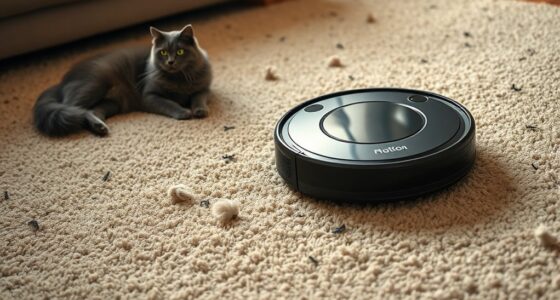
- Run the robot vacuum more often in winter to combat indoor dust and pet hair accumulation.
- Schedule additional cleaning during spring and summer to reduce pollen and outdoor dirt intrusion.
- Regularly maintain and replace filters to ensure optimal allergen removal and air quality.
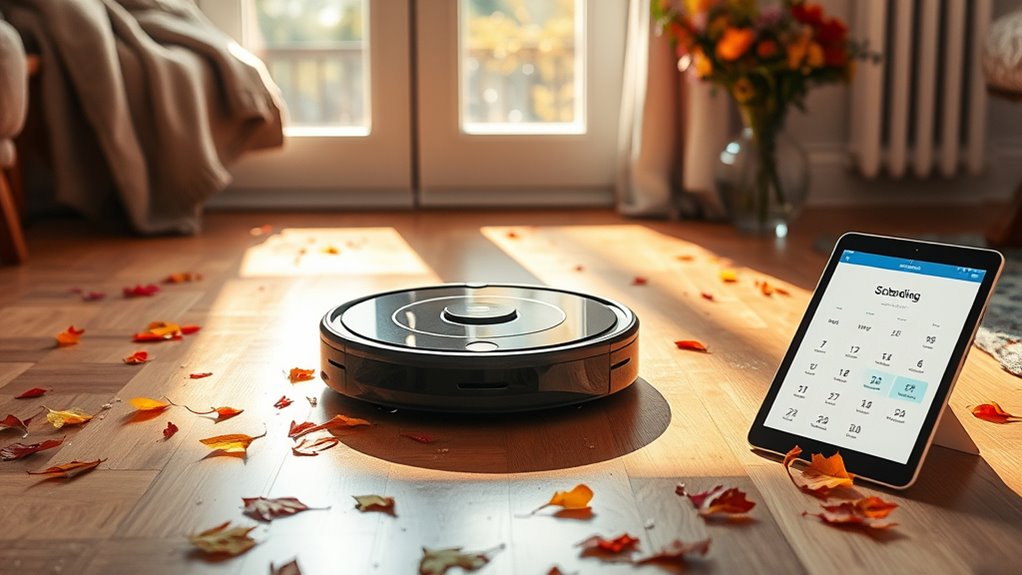
Have you ever wondered why seasonal cleaning is so essential? It’s not just about making your home look tidy; it’s about creating a healthier environment for yourself and your family. During different times of the year, dust, dirt, and allergens can build up in ways that affect your air quality and overall comfort. Adjusting your robot vacuum schedule as seasons change helps you stay on top of these issues, ensuring your home remains clean and allergen-free. When you modify your cleaning routines to match seasonal needs, you actively improve air quality by reducing airborne particles like pollen, pet dander, and dust mites. These tiny particles can circulate through your home’s air, aggravating allergies or respiratory issues. By scheduling your robot vacuum to run more frequently during peak allergy seasons, you prevent these allergens from settling into carpets and floors, making a noticeable difference in your allergy management efforts.
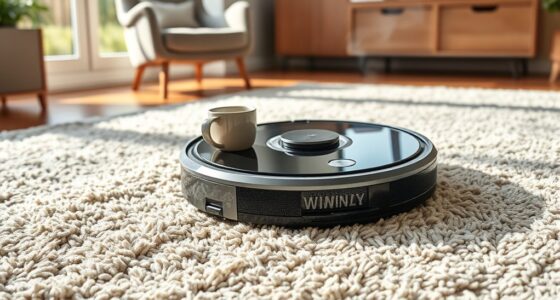
In winter, for example, people tend to stay indoors more, which means dust and pet hair can accumulate faster and stay in circulation longer. Increasing your robot vacuum’s frequency during colder months helps combat this buildup, maintaining cleaner floors and fresher air. Conversely, in spring and summer, pollen and outdoor dirt find their way inside, so adjusting your schedule to clean more often during these seasons can considerably reduce outdoor allergens from infiltrating your living space. It’s a simple change that offers immediate benefits for your respiratory health and comfort. Additionally, as you shift your cleaning routines seasonally, you might consider the areas you target most. Focus on high-traffic zones and carpets, which tend to trap more allergens and dust. By doing so, you optimize your robot vacuum’s efficiency, ensuring it tackles the spots that matter most for air quality. Regularly inspecting and maintaining your vacuum filters is also crucial, as a clogged filter can diminish cleaning performance and allergen removal. This proactive approach not only keeps your floors spotless but also supports allergy management by keeping airborne irritants at bay.
Frequently Asked Questions
How Often Should I Adjust My Robot Vacuum’s Schedule Seasonally?
You should adjust your robot vacuum’s schedule seasonally based on your home’s changing needs. During busy seasons like spring or holidays, increase cleaning frequency for seasonal cleaning. In quieter months, reduce schedule adjustments to save energy and wear. Regularly reassess your home’s activity and dust levels, making schedule adjustments as needed. This way, you keep your floors consistently clean without unnecessary run times, optimizing your robot vacuum’s performance year-round.
Can I Set Different Cleaning Zones for Each Season?
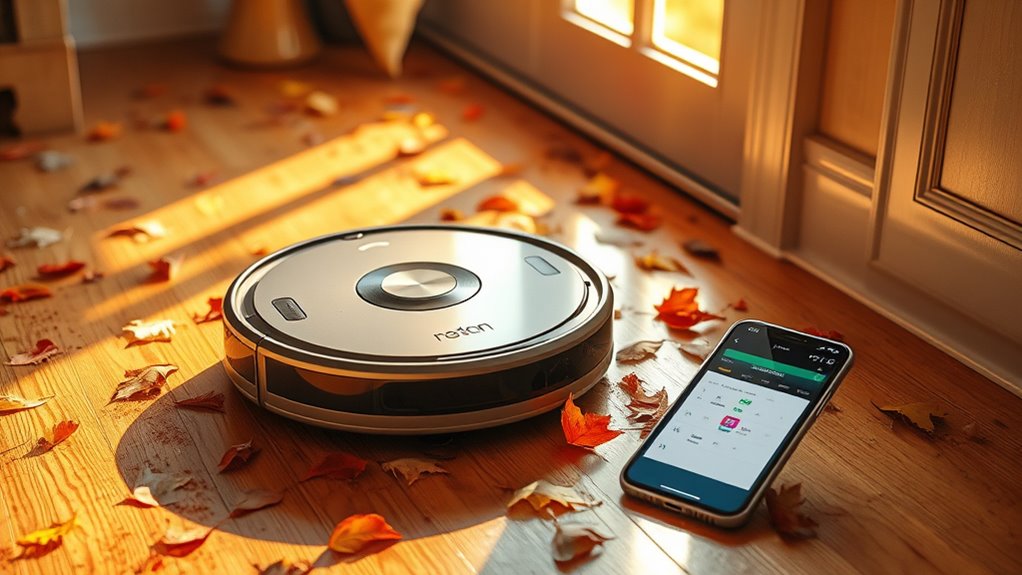
Sure, you can totally set different cleaning zones for each season with zone customization and seasonal mapping. Imagine telling your robot to focus on the dusty corner in winter or the flower petals in spring—it’s like giving it a seasonal itinerary! Just update your maps and zones accordingly, and your robot will adapt effortlessly, making seasonal cleaning feel like a breeze instead of a chore.
Does Changing Schedules Affect Battery Life or Device Longevity?
Changing your robot vacuum’s schedule won’t substantially affect battery health or device durability if you adjust it responsibly. Regularly updating schedules based on your cleaning needs can prevent overuse, which helps extend battery life and maintain device performance. Avoid frequent full charges or deep discharges, and give your robot time to rest between cleaning cycles. Proper scheduling supports long-term device durability and keeps your vacuum performing at its best.
Are There Specific Settings for Allergy or Pet Hair Seasons?
Think of your robot vacuum as a vigilant guardian, adjusting its armor for battle. During allergy seasons or when dealing with pet hair, activate specific settings like higher suction power or increased cleaning frequency. Many models offer allergy filters or pet hair modes—use them to improve air quality and keep your home spotless. These targeted settings help your device combat seasonal challenges effectively, extending its efficiency and lifespan.
How Do I Troubleshoot if My Robot Misses Areas After Schedule Changes?
If your robot misses areas after schedule changes, start troubleshooting by manually calibrating it to guarantee ideal performance. Check and clean the sensors, as dust or debris can cause navigation issues. Make sure the vacuum’s brushes and wheels are free of hair and dirt. Reprogram the schedule if needed, and run a test cleaning to observe its path. Regular maintenance like sensor cleaning helps prevent missed spots in the future.
Conclusion
Just as the changing seasons symbolize renewal, adjusting your robot vacuum schedule invites fresh energy into your home. Embrace these small shifts as a reflection of your ongoing commitment to clarity and freshness. Like the turning leaves or blooming flowers, your routines evolve, clearing away the dust of yesterday. By staying attentive to seasonal needs, you nurture a space that feels alive—ready to welcome whatever comes next with a clean slate and open heart.