Understanding decibel ratings helps you measure noise levels around you, from quiet whispering at 30 decibels to loud traffic at over 70, which can cause discomfort or hearing damage over time. Knowing these levels guides you in choosing the right soundproofing methods and protecting your hearing. Prolonged exposure to sounds above 85 decibels poses health risks, so understanding these ratings is key. If you continue, you’ll discover how to effectively manage noise in your environment.

Get cleaning gear delivered free with Prime
- Fast, free delivery on millions of items
- Prime Video, Amazon Music and more included
- Member-only deals all year
Key Takeaways
- Decibel (dB) measures sound intensity; higher dB indicates louder noise levels.
- Typical noise sources range from 30 dB (whisper) to over 100 dB (chainsaws).
- Prolonged exposure above 85 dB can cause hearing damage.
- Understanding decibel ratings helps in selecting appropriate noise control methods.
- Soundproofing techniques include sealing gaps, using acoustic panels, and installing double-glazed windows.
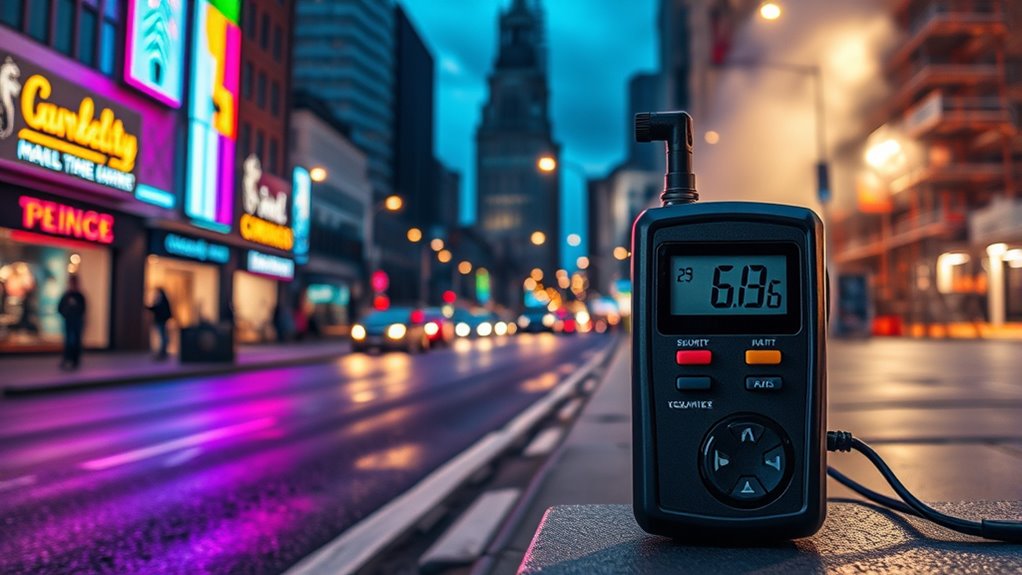
Noise levels surround us daily, affecting our comfort, health, and overall well-being. Whether it’s the honking cars outside, the hum of appliances, or loud conversations, these sounds can become overwhelming. Understanding decibel ratings helps you gauge just how loud these noise pollution sources are and what measures you can take to control them. Recognizing different soundproofing techniques allows you to reduce unwanted noise and create a more peaceful environment. The key lies in understanding the sources of noise pollution and how loud they are on the decibel scale.
Most noise pollution sources fall into specific decibel ranges. For instance, a whisper registers around 30 decibels, which is barely noticeable. But loud music or a busy street can produce sounds between 70 and 85 decibels, enough to cause discomfort over time. Very loud noises, like a chainsaw or a motorcycle, can reach 100 decibels or more, risking hearing damage if exposed for prolonged periods. Knowing these ranges helps you assess your surroundings and decide what soundproofing techniques are necessary. For example, if you live near a busy road, installing insulation or acoustic panels can considerably reduce noise levels inside your home.
Understanding decibel levels helps you choose effective noise reduction methods.
Implementing effective soundproofing techniques involves targeting the primary noise pollution sources. If traffic or outdoor noise bothers you, sealing gaps in windows and doors, adding heavy curtains, or installing double-glazed windows can make a difference. If appliances or HVAC systems are noisy, consider placing them on vibration pads or using sound-dampening enclosures. Inside your space, using soft furnishings, carpets, and acoustic panels can absorb echoes and reduce overall sound levels. These measures help create a calmer environment by tackling the noise at its source or by absorbing sound waves before they reach your ears. Additionally, GMC tuning techniques can be used to modify vehicle components to reduce noise emissions and improve overall comfort during driving.
Being aware of the decibel ratings of common noise sources provides insight into potential health risks. Prolonged exposure to sounds above 85 decibels can lead to hearing loss, so taking appropriate precautions is essential. Even lower levels, when sustained, can cause stress and fatigue. By understanding the sources of noise pollution and their decibel levels, you can better assess your environment and implement suitable soundproofing techniques. Whether it’s adding insulation, sealing gaps, or using sound-absorbing materials, these steps help you regain control over your space. In turn, you’ll enjoy a quieter, healthier living environment that promotes your overall well-being.
Frequently Asked Questions
How Do Decibel Levels Affect Hearing Over Time?
You might not notice it at first, but prolonged exposure to high decibel levels can lead to hearing fatigue, making your ears feel tired and strained. Over time, this can cause auditory damage, reducing your hearing sensitivity and causing permanent loss. To protect your ears, avoid loud environments or wear hearing protection, especially if you’re exposed to noise for extended periods. Your hearing health depends on managing decibel levels wisely.
Are There Safe Noise Exposure Limits for Children?
Yes, there are safe exposure limits for children to prevent noise-induced hearing loss. You should keep noise levels below 85 decibels and limit exposure time, especially during loud activities like concerts or using headphones. By monitoring and controlling the noise children are exposed to, you help guarantee their ears stay healthy. Always encourage quiet periods and use hearing protection when noise levels exceed safe exposure guidelines.
How Do Environmental Factors Influence Decibel Measurements?
Environmental factors like urban noise and weather effects notably influence decibel measurements. Urban areas tend to have higher noise levels due to traffic, construction, and crowds, which elevate decibel readings. Weather effects, such as wind, rain, or temperature changes, can also alter sound propagation, either amplifying or dampening noise. You should consider these factors when evaluating noise exposure, as they can cause fluctuations in actual decibel levels, impacting safety and comfort.
Can Decibel Ratings Vary Between Different Measuring Devices?
Yes, decibel ratings can vary between different measuring devices. You need to take into account calibration accuracy and device sensitivity, as these factors impact the readings. If a device isn’t properly calibrated, it may give inaccurate results. Similarly, a more sensitive device detects quieter sounds better, leading to differences in measurements. Always ensure your equipment is calibrated correctly and understand its sensitivity to get consistent and reliable decibel ratings.
What Is the Impact of Noise Pollution on Mental Health?
You’re likely to experience increased stress, anxiety, and sleep disturbance from urban noise pollution. Constant exposure to loud noise can elevate your cortisol levels, affecting your mental health over time. Sleep disruption from loud environments hampers your mood and cognitive function. To protect your mental well-being, try using earplugs or soundproofing your space, and limit your exposure to high noise levels whenever possible.
Conclusion
Now that you understand decibel ratings, you can recognize noise levels, protect your hearing, and choose quieter environments. You can avoid loud sounds, reduce exposure, and prioritize your well-being. By understanding decibels, you stay aware, stay safe, and stay in control. Noise levels matter, and with this knowledge, you can make smarter choices, create quieter spaces, and enjoy a healthier, more peaceful life. Take charge of sound—your hearing depends on it.
Halloween Picks
halloween
As an affiliate, we earn on qualifying purchases.