Robot vacuums can be secure if you take proper steps, like using strong Wi-Fi encryption (WPA2 or WPA3), setting unique passwords, and updating firmware regularly. Avoid enabling remote access features you don’t need, and connect only to trusted networks. These measures help protect your device from cyber threats and safeguard your privacy. To learn how to keep your smart home devices safe, keep exploring the essentials of device security and privacy.
Key Takeaways
- Proper Wi-Fi encryption (WPA2/WPA3) protects robot vacuum data from interception during transmission.
- Changing default passwords and enabling user authentication prevent unauthorized access.
- Regular firmware updates address security vulnerabilities and enhance device privacy.
- Disabling unnecessary remote access features reduces potential attack vectors.
- Securing the home Wi-Fi network with strong encryption and passwords minimizes risks to connected devices.
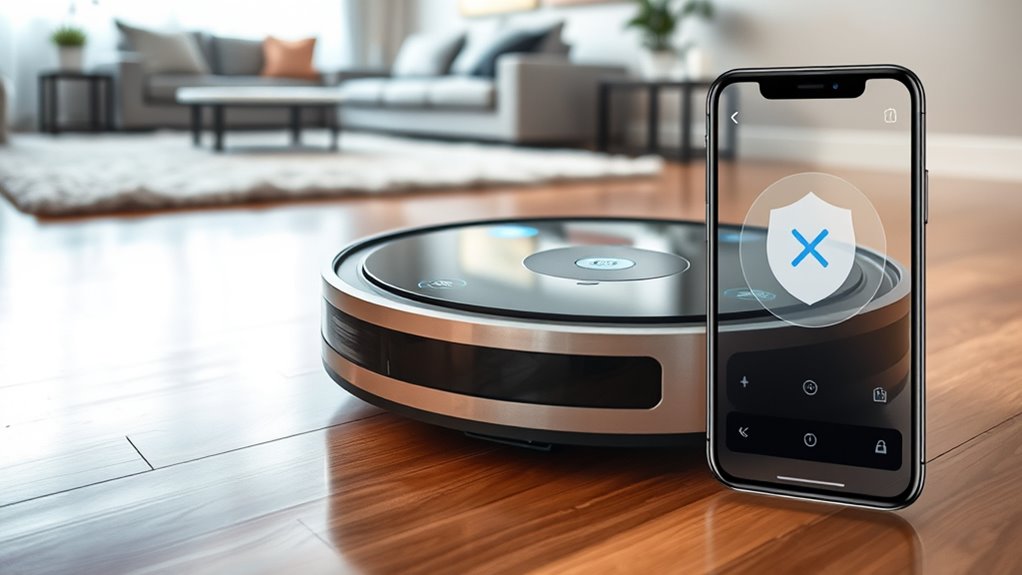
Robot vacuums have become a popular convenience, but their presence in your home also raises security concerns. As these devices connect to your Wi-Fi network, they become potential entry points for cyber threats. To protect your privacy, understanding how Wi-Fi encryption and user authentication work is essential. Wi-Fi encryption acts like a digital shield, scrambling the data transmitted between your vacuum and your router. When properly enabled, it makes it difficult for hackers to intercept sensitive information, such as your home layout or personal schedules. Most modern robot vacuums support strong encryption standards, like WPA2 or WPA3, but it’s up to you to ensure these settings are activated. Failing to do so leaves your device vulnerable to eavesdropping or unauthorized access.
User authentication is another critical layer of security. It requires you to verify your identity before connecting or controlling your robot vacuum. Many devices ask you to set up a password or PIN during initial setup, preventing unauthorized users from gaining control. Some models even offer two-factor authentication, adding an extra step to confirm your identity. This way, even if someone gains access to your Wi-Fi network, they can’t easily take over your vacuum without the authentication credentials. Regularly updating your device’s firmware is equally important, as manufacturers often release security patches that fix vulnerabilities discovered after the product’s release. Keeping your device updated ensures that your robot vacuum benefits from the latest security enhancements.
It’s also wise to change default passwords and disable remote access features if you don’t need them. Default passwords are widely known and can be exploited by hackers, so customizing your credentials adds an essential barrier. Limiting your device’s permissions and ensuring it only connects to secure, trusted networks further reduces the risk of intrusion. Remember, your home Wi-Fi network is the backbone of your smart devices, so securing it with strong encryption, unique passwords, and proper user authentication practices is paramount. Additionally, understanding the importance of device security can help you take comprehensive steps to safeguard all connected gadgets in your home.
While robot vacuums are designed to make life easier, their smart capabilities mean they require careful security measures. By understanding and implementing Wi-Fi encryption and user authentication, you turn your device into a safer part of your connected home. It’s about staying vigilant and proactive, ensuring that convenience doesn’t come at the expense of your privacy. With these precautions, you can enjoy the benefits of your robot vacuum without worrying about unauthorized access or data breaches.
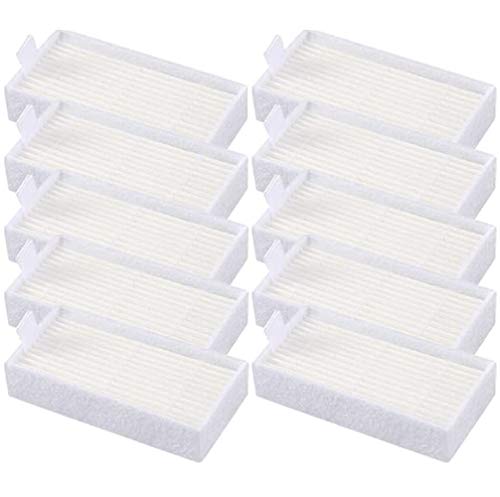
10pcs HEPA Filters Replacement for ILIFE V3s V3s pro V5 V5s V5s Pro V5s Pro 2 V5s Plus Noisz S5 Robotic Vacuum Cleaner ILIFE V3s pro Filters ILIFE Robot Vacuum Filter
- Compatible with Various ILIFE Models: Fits V3, V3s, V5, V5s, Pro versions
- High-Quality Filter Material: Made of efficient, durable filter material
- 100% Compatible with Original Filters: Ensures perfect fit and performance
As an affiliate, we earn on qualifying purchases.
Frequently Asked Questions
Can Hackers Remotely Control My Robot Vacuum?
Yes, hackers can potentially remotely control your robot vacuum if it has weak security. They may exploit vulnerabilities in device firmware or bypass user authentication, especially if you haven’t updated the firmware or set strong passwords. To protect yourself, regularly update your vacuum’s firmware, enable strong user authentication, and connect your device to a secure Wi-Fi network. These steps help prevent unauthorized access and keep your device safe.
What Data Do Robot Vacuums Collect and Share?
Privacy pitfalls plague robot vacuums, as they collect and share data like cleaning routes, home layouts, and voice commands. You should scrutinize privacy settings and enable data encryption to secure your information. Be aware that some models transmit data to manufacturers for improvements, but proper privacy practices help you protect your privacy, prevent unauthorized access, and keep your home secure from prying eyes and potential breaches.
Are There Risks of Personal Data Leaks?
Yes, there are risks of personal data leaks with robot vacuums. To protect yourself, regularly review your privacy settings and adjust them to limit data sharing. Also, choose brands that prioritize manufacturer transparency about their data collection practices. Staying informed and proactive helps reduce potential risks, ensuring your personal information remains secure while enjoying your robot vacuum’s convenience.
How Do I Secure My Robot Vacuum Against Cyber Threats?
Did you know that over 60% of smart device owners neglect security? To protect your robot vacuum, ensure you enable encryption protocols on its network and change default passwords. Keep its firmware updated regularly, as manufacturers release patches to fix vulnerabilities. These simple steps can greatly reduce cyber threats, making your device more secure and safeguarding your personal data from potential hackers.
Do Robot Vacuums Comply With Privacy Regulations?
Robot vacuums generally comply with privacy regulations, but you should always check their privacy policies. These policies explain how your data is collected, stored, and used. Make sure the manufacturer asks for your user consent before collecting any personal information. By staying informed about the privacy policies and giving proper consent, you can better protect your data and ensure your robot vacuum respects your privacy rights.

Filter Replacement for iRobot Roomba e, i and j Series i7 i7+/plus i3 i3+ E5 E6 E7 i4 i6 i6+ i8 i8+ Robot Vacuum Cleaners parts, 9 Pack High Efficiency 4639161 Filters
- Compatible with Roomba E, I, J Series: Fits various Roomba models including i7, i3, i6, i8, and J series
- High Efficiency Filtration: Filters 99.9% of dust, pet hair, and particles
- Effective Particle Capture: Captures particles as small as 0.3 microns
As an affiliate, we earn on qualifying purchases.
Conclusion
Overall, staying aware of your robot vacuum’s security is essential. Did you know that over 70% of smart device users worry about their data privacy? By changing default passwords and keeping firmware updated, you can protect your privacy. Remember, your device collects data to clean better, but staying informed helps prevent potential breaches. So, take simple steps today to enjoy the convenience of your robot vacuum without compromising your privacy.

roborock 2026 New Qrevo S Pro Robot Vacuum and Mop, 18,500Pa Suction
- All-in-One Dock for Easy Cleaning: Automatic dust emptying and mop self-cleaning
- Powerful 1850Pa Suction: Effortlessly lifts dust, debris, and pet hair
- Anti-Tangle System: Reduces hair wrap, easy maintenance for pet homes
As an affiliate, we earn on qualifying purchases.

roborock Q10 S5+ Robot Vacuum and Mop, 10,000Pa Suction
- Self-Emptying Station: 70 days of maintenance-free cleaning
- Powerful Suction: 10,000 Pa hyperforce suction
- Anti-Tangle System: Dual anti-tangle brushes for smooth operation
As an affiliate, we earn on qualifying purchases.