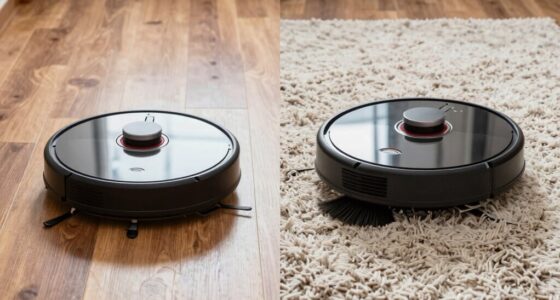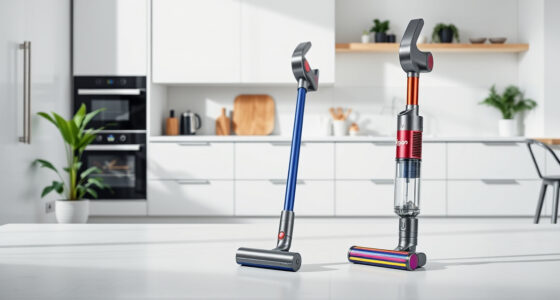
A room-by-room cleaning schedule makes home chores more manageable and less overwhelming. It helps you prioritize tasks based on each area’s usage, visibility, and high-touch zones. By creating a simple plan with specific tasks and routines, you stay consistent and avoid burnout. Using the right tools and adjusting your schedule as needed keeps cleaning efficient and effective. Keep going to discover how to set up your perfect cleaning routine and avoid common mistakes.

Get cleaning gear delivered free with Prime
- Fast, free delivery on millions of items
- Prime Video, Amazon Music and more included
- Member-only deals all year
Key Takeaways
- Break cleaning tasks into manageable steps with a room-by-room schedule to reduce overwhelm and increase consistency.
- Prioritize high-traffic and visible areas, focusing on high-touch surfaces first for effective cleaning.
- Use organized tables to plan, assign, and track tasks, ensuring routines are flexible and adaptable to life changes.
- Incorporate clutter management to streamline routines, improve airflow, and enhance cleaning efficiency.
- Utilize eco-friendly products and quality tools to save time, promote safety, and maintain a sustainable cleaning routine.
Products Worth Considering

Shark IQ Robot Self-Empty XL Robot Vacuum with Home Mapping, Self-Cleaning Brushroll, and Wi-Fi, Black

Levoit Core 400S-P Smart Air Purifier for Large Rooms

Bose Lifestyle Ultra Wireless Home Speaker
As an affiliate, we earn on qualifying purchases.
Struggling to Keep Your Home Clean? How a Room-By-Room Schedule Helps

Are you overwhelmed by the constant mess and never-ending cleaning chores? A room-by-room schedule can boost your cleaning motivation by breaking tasks into manageable steps. When you focus on one area at a time, it feels less intimidating, helping you stay motivated. Organizing techniques, like labeling storage bins or creating designated spaces, make cleaning more efficient and less stressful. This digital content approach guarantees you don’t get sidetracked or overwhelmed, as you know exactly what to do in each room. Additionally, establishing cleaning routines can reinforce consistency and make the process more automatic over time. Developing effective home organization strategies can further streamline your efforts and ensure long-term cleanliness. Plus, it helps you develop a routine, so cleaning becomes a habit rather than a chore. By tackling one room at a time, you’ll see progress quickly, making the whole process more satisfying and motivating you to keep going.
How to Evaluate Cleaning Priorities in Each Room

To effectively prioritize cleaning in each room, you need to assess how often the space is used and how visible dirt or clutter becomes. Focus on your vacuuming routines to determine how frequently carpets and floors need attention—high-traffic areas may require daily vacuuming, while less-used rooms can be cleaned weekly. Look at stain removal needs for upholstery, rugs, and surfaces; spots that quickly become obvious should be addressed sooner. Consider the room’s purpose—kitchens and bathrooms typically demand more frequent cleaning due to moisture and residue, while bedrooms might need less intensive care. By evaluating usage patterns and dirt visibility, you can assign cleaning priorities that keep your home fresh without overextending yourself. This approach guarantees your efforts are targeted and effective.
Create a Simple Cleaning Plan That Works for Your Home

After evaluating your cleaning priorities, the next step is to develop a straightforward plan that fits your home’s unique needs. Your plan should align with your cleaning motivations and support effective time management. Start by listing tasks and assigning them to specific days or times, making it manageable. Use this simple table to organize:
| Task | Frequency | Time Needed |
|---|---|---|
| Vacuum carpets | Weekly | 20 minutes |
| Clean bathrooms | Bi-weekly | 15 minutes |
| Dust surfaces | Weekly | 10 minutes |
| Mop floors | Monthly | 30 minutes |
| Change bedding | Weekly | 10 minutes |
A clear plan keeps you motivated and guarantees consistent progress, making cleaning less overwhelming. Incorporating organized data storage can help you keep track of your cleaning schedule and progress efficiently. To further enhance your routine, consider prioritizing tasks based on your home’s specific needs and your available time. Additionally, understanding safety tips for portable oil radiators can help prevent accidents while maintaining a warm, comfortable home during cleaning sessions.
Which Tasks Should You Tackle First in Each Area?

Start by focusing on high-traffic areas to make the biggest impact quickly. Clear clutter first so dusting and cleaning surfaces become easier and more effective. Tackling these tasks in order helps your cleaning session feel more efficient and less overwhelming. Incorporating natural elements like plants and natural lighting can also boost the overall ambiance of your space. Additionally, considering screening guidelines can inspire you to maintain a clean environment that supports your health and well-being. Using the right DIY tools can further streamline your cleaning process and ensure safety during your chores.
Prioritize High-Traffic Areas
When tackling high-traffic areas, focusing on the most visible and frequently touched surfaces first can make a significant difference. Prioritizing these spots helps maintain surface durability and keeps traffic flow smooth. Start with:
- Door handles and light switches, which see constant contact.
- Tabletops and countertops that gather dust and fingerprints.
- Floors in hallways and entryways, where dirt quickly accumulates.
- Using high-quality cleaning products designed for precious metal surfaces can help preserve their luster and prevent tarnishing. Incorporating smart cleaning technology like auto-dispensing spray systems can further streamline your routine.
Addressing these areas first prevents germs from spreading and reduces the need for frequent deep cleans. Make sure to clean high-touch surfaces regularly to preserve their surface durability. By tackling these zones early in your routine, you’ll keep the space looking fresh and ensure the highest traffic areas stay clean and inviting.
Address Clutter Before Dusting
Clearing clutter before dusting guarantees a more effective and thorough cleaning process. When you focus on clutter management first, you prevent dust from settling on misplaced items and reduce the need to re-clean later. Start by gathering storage solutions like bins or baskets to quickly corral loose objects. Tackle clutter in each room, putting away items in their designated spots. Removing clutter frees up space to dust surfaces thoroughly and prevents dust from hiding underneath objects. Prioritizing clutter removal also improves airflow and makes vacuuming easier. For those seeking to enhance their car’s performance, investing in engine upgrades and a quality flywheel can make a noticeable difference. Additionally, understanding the environmental impact of tissue paper can inspire more eco-friendly cleaning choices. Incorporating proper filtration and suction techniques can further improve air quality during cleaning. Using high-quality remote car covers can protect your vehicle from dust and debris when not in use. When you understand the significance of time management during cleaning, you can better allocate your efforts and complete tasks more efficiently. By addressing clutter first, you simplify the dusting process, ensuring cleaner shelves, countertops, and furniture. This step streamlines your cleaning routine, saves time, and helps maintain a tidy, dust-free environment.
Tools and Products That Make Cleaning Easier
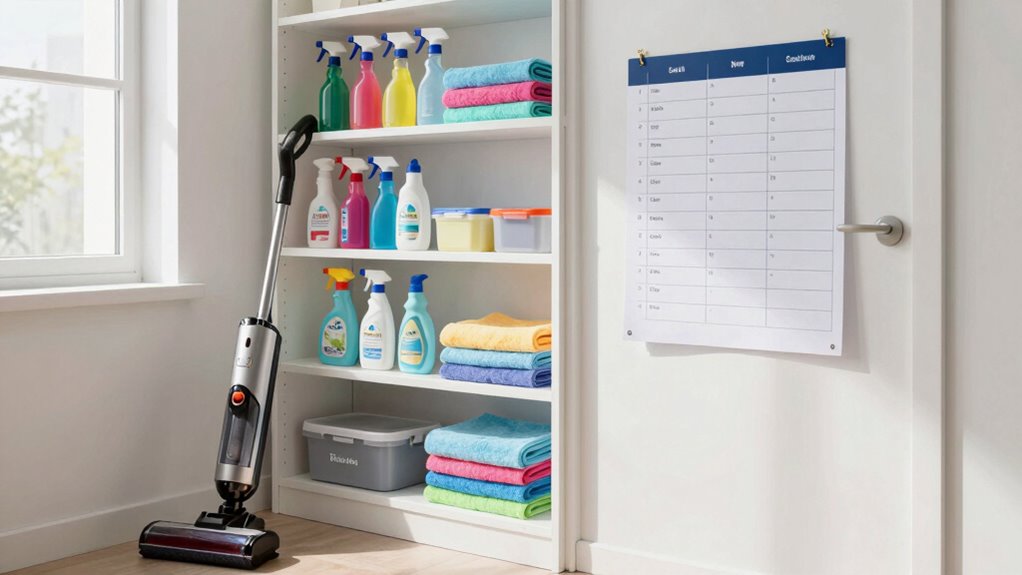
Using the right tools and products can considerably simplify your cleaning routine. Start with cleaning gadgets like cordless vacuums or handheld steam cleaners to speed up tasks. Next, opt for eco-friendly products such as plant-based all-purpose cleaners and biodegradable microfiber cloths to clean effectively without harmful chemicals. Additionally, choosing effective filtration systems can help trap dust and allergens more efficiently, enhancing overall air quality. These systems often incorporate advanced technologies that improve air purification efficiency, making your home environment healthier. Finally, keep a versatile spray bottle filled with a gentle, natural cleaner for quick touch-ups. These tools and products help you work smarter, not harder. By investing in quality gadgets, you reduce cleaning time and effort. Eco-friendly products keep your home safe and contribute to sustainability. Additionally, regularly maintaining your air purifiers by cleaning filters and following manufacturer guidelines enhances air quality and ensures they operate at peak efficiency. Using these essentials makes cleaning more efficient and less stressful, ensuring your space stays fresh with minimal hassle. Incorporating proper maintenance of cleaning tools also extends their lifespan and maintains cleaning effectiveness.
Tips to Stay Consistent With Your Cleaning Routine
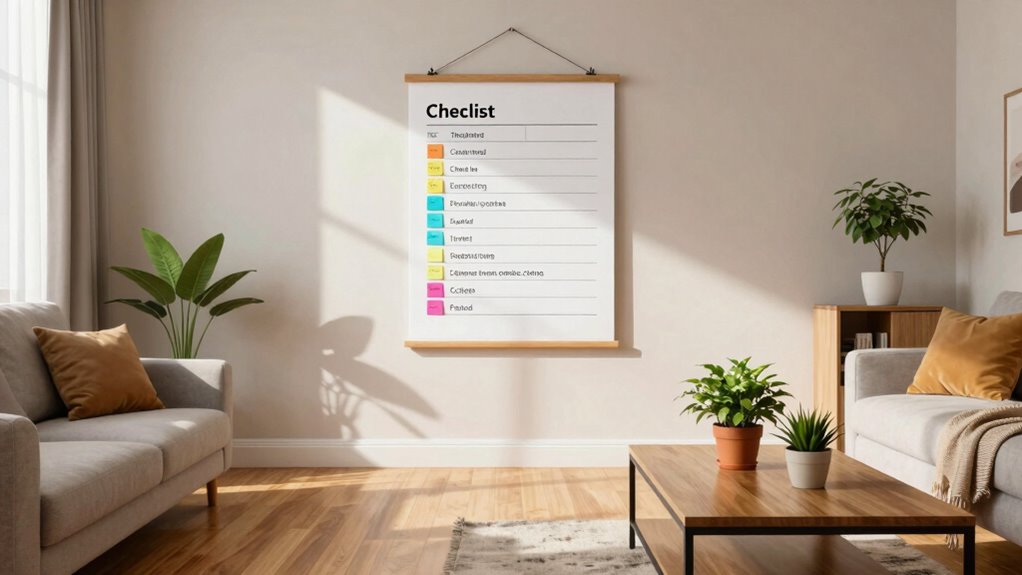
Staying consistent with your cleaning routine can be challenging, but establishing clear habits makes it easier. To stay motivated, find motivational quotes that inspire you to keep going, even on busy days. Break tasks into manageable steps so cleaning doesn’t feel overwhelming. Avoid cleaning myths like “cleaning is only necessary when dirt is visible,” which can lead to neglecting routine upkeep. Instead, set specific days for different chores and stick to them. Use reminders or checklists to track your progress, and reward yourself for consistency. Remember, a little effort each day builds momentum. Incorporating well-drained soil knowledge into your garden cleaning or tidying routines can also help maintain a fresh environment. Additionally, understanding proper cleaning techniques can improve efficiency and results. Developing attention to detail while cleaning ensures that no spots are overlooked, leading to a more thorough job. Regularly practicing sound healing techniques can also boost your mental clarity and focus during chores, making cleaning feel less tedious. Being aware of everyday safety tips while cleaning can prevent accidents and injuries, ensuring you stay safe as you maintain your space. With these tips, you’ll develop habits that stick, making cleaning less of a chore and more of a routine you can rely on.
Adjust Your Cleaning Schedule When Your Life Changes
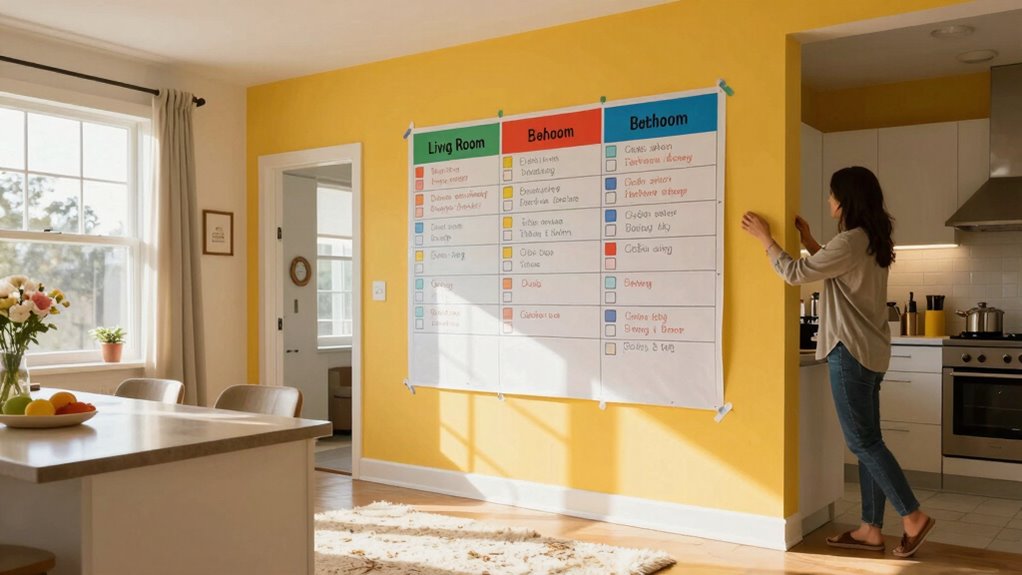
When your life changes, it’s important to guarantee your cleaning priorities and adjust how often you tackle certain tasks. You might need to add new chores or shift focus to different areas to stay on top of things. Flexibility ensures your schedule works for your current circumstances and keeps your home clean efficiently. Regularly reviewing and organizing household tasks can help maintain a balanced and effective cleaning routine.
Reassess Cleaning Priorities
Life changes can considerably impact your cleaning routine, so it’s important to regularly reevaluate your priorities. When your circumstances shift, your cleaning motivation might wane or storage solutions may need updating. To stay on top of things:
- Identify clutter hotspots that no longer serve your needs.
- Decide which tasks still matter most, like deep cleaning high-traffic areas.
- Adjust your schedule to reflect new routines or priorities, focusing on essentials.
This keeps your cleaning plan realistic and manageable. Reassessing helps you stay motivated and prevents overwhelm. By refining your priorities, you ensure your cleaning efforts align with your current lifestyle, making your space more comfortable and organized without unnecessary stress.
Adjust Frequency As Needed
As your circumstances change, it’s important to modify how often you clean certain areas to keep your routine effective and manageable. If you bring home a pet, you might need to clean pet-friendly surfaces more frequently to control hair, dander, and messes. Similarly, using eco-conscious products ensures your cleaning is safe for your pets and the environment, so adjust your schedule to maintain a healthy space. For example, high-traffic areas or pet zones may require weekly attention, while less-used rooms might need less frequent cleaning. Regularly reassessing your routine helps you stay on top of dirt and allergens without overdoing it. Flexibility ensures your cleaning stays effective, aligns with your lifestyle, and supports your commitment to eco-friendly, pet-safe practices.
Incorporate New Tasks
Updating your cleaning routine becomes necessary when new tasks or responsibilities arise. For example, if you start working from home, you might need to add regular deep cleaning of your workspace. Or, if your family expands, you’ll want to incorporate chores for new areas. Consider these steps:
- Identify new cleaning needs, like sanitizing shared spaces or using eco friendly products.
- Adjust your schedule to include deep cleaning sessions, focusing on areas that accumulate dirt faster.
- Reallocate time for tasks like dusting, mopping, or decluttering, ensuring your routine stays effective without becoming overwhelming.
The Benefits of a Room-By-Room Cleaning Routine

A room-by-room cleaning routine offers numerous benefits that can make maintaining your home more manageable and effective. It helps boost your cleaning motivation by breaking tasks into smaller, achievable steps, making the process feel less overwhelming. With a clear schedule, you’re more likely to stay consistent and see real progress. Additionally, focusing on one room at a time allows you to use eco friendly products more intentionally, reducing waste and minimizing exposure to harsh chemicals. This targeted approach keeps your home cleaner and healthier while supporting eco-conscious choices. Plus, it saves time by preventing unnecessary back-and-forth, enabling you to focus your energy where it’s needed most. Overall, a room-by-room routine simplifies cleaning, making it less stressful and more rewarding.
Avoid These Common Mistakes When Setting Up Your Cleaning Plan

When setting up your cleaning plan, it’s easy to fall into common traps that can undermine your efforts. These planning mistakes often lead to missed spots or burnout. To avoid them, watch out for:
- Overloading your schedule with too many tasks, making it overwhelming.
- Ignoring specific room needs, which causes important areas to be neglected.
- Not adjusting the plan over time as your household changes or priorities shift.
These common pitfalls can derail your cleaning routine and reduce efficiency. Focus on creating a realistic, flexible schedule that addresses each room’s unique requirements. Remember, a well-thought-out plan saves time and keeps your home consistently tidy. Avoid these mistakes, and your cleaning efforts will become more effective and sustainable.
Frequently Asked Questions
How Often Should I Clean Each Room in My House?
You should vacuum high-traffic areas weekly and less-used rooms every two weeks. Dust and wipe surfaces, especially in the kitchen and bathroom, once a week. Follow a regular laundry schedule—usually weekly—to keep clothes fresh. Bedrooms need dusting and changing sheets weekly, while living rooms benefit from vacuuming twice a week. Adjust cleaning frequency based on your household size, pets, and personal preferences to keep your home spotless.
Can I Customize the Schedule for Different Family Members?
Think of your cleaning plan like a tailored suit—perfectly fitting each family member’s needs. Yes, you can customize chores for different family members, creating personalized cleaning plans. Assign tasks based on age, ability, or interest, making chores feel less like a burden and more like teamwork. This approach helps keep your home spotless and encourages everyone to pitch in, turning cleaning into a collaborative effort.
What Are Some Eco-Friendly Cleaning Products to Consider?
You should consider eco-friendly alternatives like vinegar, baking soda, and lemon juice for natural cleaning solutions. These ingredients effectively clean without harmful chemicals, making them safer for your family and the environment. Look for brands that promote natural cleaning solutions, and avoid products with harsh synthetic fragrances or dyes. By choosing eco-friendly alternatives, you not only clean effectively but also reduce your ecological footprint and promote healthier indoor air quality.
How Do I Handle Deep Cleaning Tasks Efficiently?
To handle deep cleaning tasks efficiently, tackle your spring cleaning with focused cleaning hacks. Start with one room at a time, setting a timer to stay on track. Use eco-friendly products for a thorough job and gather all your supplies beforehand. Break tasks into smaller steps, like decluttering first, then scrubbing. Staying organized and consistent helps you complete deep cleaning faster and keeps your home sparkling.
What Should I Do if My Cleaning Routine Becomes Overwhelming?
Feeling overwhelmed by your cleaning routine? Ironically, the best decluttering tips are to break tasks into smaller steps and focus on one room at a time. Use cleaning motivation by setting a timer or rewarding yourself after each session. Remember, a clutter-free space makes cleaning easier and less stressful. Stay consistent, breathe, and don’t hesitate to simplify—your sanity will thank you!
Conclusion
Think of your cleaning routine as tending a garden. Each room is a different plant needing its own care. By following a room-by-room schedule, you nurture each space with consistent attention, helping your home flourish. Skip the routine, and weeds of clutter and dirt can take over. Stay committed, adjust as needed, and watch your home grow healthier and happier—one room at a time. Your organized space is your flourishing garden.