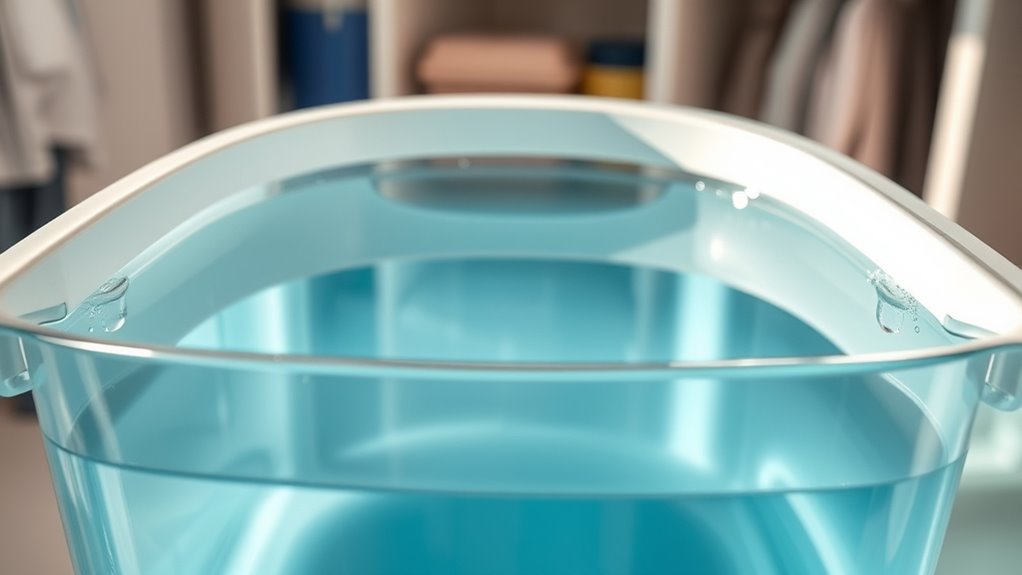
To prevent mold in your mop‑vac water tanks, you should clean the tank thoroughly after each use by rinsing with clean water and drying it completely. Regularly inspect for signs of mold or mildew, and add disinfectants like vinegar or mild bleach solutions before storage. Store the unit in a dry, well-ventilated area, and maintain good ventilation in storage spaces. Following these steps can keep mold at bay—if you want to learn more, keep exploring these helpful tips.
Key Takeaways
- Empty and rinse the water tank thoroughly after each use to prevent stagnation.
- Add disinfectants like white vinegar or mild bleach before storing to inhibit mold growth.
- Store the Mop-Vac in a dry, well-ventilated area to reduce humidity and moisture buildup.
- Regularly inspect the tank for signs of mold, discoloration, or a musty smell, and clean immediately if detected.
- Ensure filters and brushes are cleaned, dried completely, and stored in dry conditions to prevent mold proliferation.
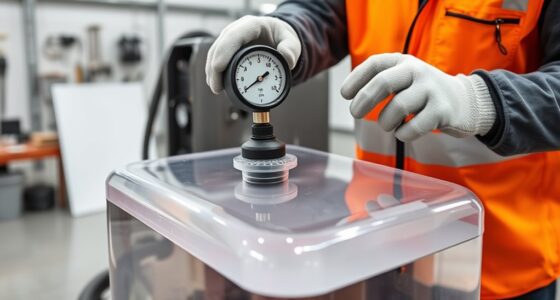
Mold can quickly develop in Mop-Vac water tanks if you don’t take proper precautions, leading to unpleasant odors and potential health risks. Mold thrives in damp, stagnant environments, and your water tank is no exception. To keep your Mop-Vac clean and mold-free, regular water tank cleaning is essential. You should empty the tank after each use, rinse it thoroughly with clean water, and wipe it dry to eliminate residual moisture. This simple step prevents mold spores from settling and multiplying.
In addition to routine water tank cleaning, practicing mold prevention techniques can considerably reduce the chances of mold growth. One effective method is to add a small amount of disinfectant, such as white vinegar or a mild bleach solution, to the water before storing the tank. These substances help inhibit mold spores from developing. However, always rinse the tank thoroughly afterward to prevent any lingering chemical smell or residue. Another tip is to store your Mop-Vac in a dry, well-ventilated area. Avoid leaving it in damp places, like basements or closets where humidity levels are high. Proper storage reduces the moisture that mold needs to thrive.
Maintaining proper ventilation in your storage space is also crucial, as good airflow helps prevent moisture buildup and discourages mold growth. You should also inspect the water tank regularly for signs of mold or mildew. Look for any discoloration, a musty smell, or slimy buildup. If you notice any of these signs, it’s vital to clean the tank immediately with water and a disinfectant. For more thorough cleaning, consider using a mixture of water and baking soda or specialized cleaning solutions designed for appliance tanks. These help eliminate mold spores and prevent recurrence.
Another mold prevention technique involves ensuring your Mop-Vac’s filters and brushes are clean and dry. Dirty or damp filters can harbor mold, which can spread throughout your cleaning equipment. After each use, remove and wash these parts with warm, soapy water, then allow them to dry completely before reassembling. This routine reduces moisture and keeps mold spores at bay.
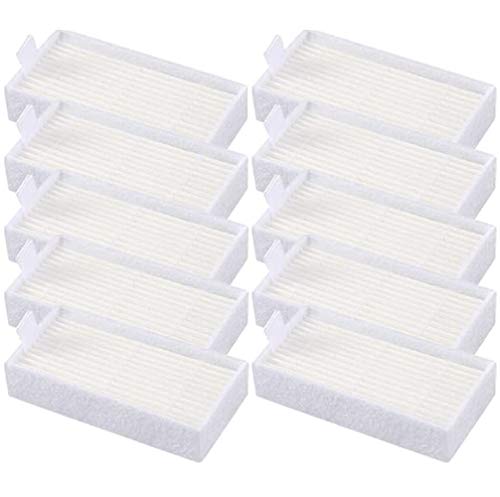
10pcs HEPA Filters Replacement for ILIFE V3s V3s pro V5 V5s V5s Pro V5s Pro 2 V5s Plus Noisz S5 Robotic Vacuum Cleaner ILIFE V3s pro Filters ILIFE Robot Vacuum Filter
- Compatible with Various ILIFE Models: Fits V3, V3s, V5, V5s, Pro versions
- High-Quality Filter Material: Made of efficient, durable filter material
- 100% Compatible with Original Filters: Ensures perfect fit and performance
As an affiliate, we earn on qualifying purchases.
Frequently Asked Questions
Can Mold in Mop-Vac Tanks Cause Health Issues?
Mold in mop-vac tanks can cause health issues, especially if you have a mold allergy. When mold contaminates the water, it can release spores and toxins into the air, leading to respiratory problems, allergies, or asthma flare-ups. If you notice mold, it’s important to clean and disinfect the tank thoroughly. Ignoring contaminated water risks water contamination and potential health risks for you and others using the equipment.
What Are Natural Remedies to Disinfect Mold From Water Tanks?
Did you know that natural remedies can be highly effective for mold eradication? To disinfect your mop-vac water tanks, try using white vinegar or baking soda. Both are natural antimicrobials that help break down mold without harsh chemicals. Simply add vinegar or baking soda to the tank, let it sit for a few hours, then scrub and rinse thoroughly. These methods are safe, affordable, and eco-friendly options for maintaining a clean water tank.
How Often Should I Clean My Mop-Vac Water Tank?
You should clean your mop-vac water tank regularly, ideally after every few uses, to maintain hygiene. Your tank cleaning schedule depends on your mopping frequency—if you mop daily, consider cleaning it at least once a week. This prevents mold buildup and keeps your device functioning well. Keeping a consistent tank cleaning routine guarantees you’re always using fresh water, reducing the risk of mold and odors.
Are Certain Water Types More Prone to Mold Growth?
Certain water types are more prone to mold growth because of their mineral content and impurities. Tap water with high mineral levels can encourage mold, especially if left in your mop-vac tank for a long time. It’s best to use filtered or distilled water, as they have fewer minerals and impurities. Regularly cleaning and drying your tank also helps prevent mold, regardless of the water type used.
Can Mold Spores Spread to Other Parts of the Home?
Mold spores can definitely spread to other parts of your home through mold spore distribution. When disturbed, spores become airborne and can settle on surfaces, increasing household contamination risks. To minimize this, regularly clean and ventilate your space, especially areas prone to moisture. Good airflow and hygiene reduce the chances of spores traveling and causing mold issues elsewhere, helping keep your home healthier and safer.

Filter Replacement for iRobot Roomba e, i and j Series i7 i7+/plus i3 i3+ E5 E6 E7 i4 i6 i6+ i8 i8+ Robot Vacuum Cleaners parts, 9 Pack High Efficiency 4639161 Filters
- Compatible with Roomba E, I, J Series: Fits various Roomba models including i7, i3, i6, i8, and J series
- High Efficiency Filtration: Filters 99.9% of dust, pet hair, and particles
- Effective Particle Capture: Captures particles as small as 0.3 microns
As an affiliate, we earn on qualifying purchases.
Conclusion
Think of your mop-vac water tank as a garden pond. If you leave it stagnant and unclean, mold will take root, just like algae blooms in still water. But if you regularly clean, dry, and change the water, you’re tending to your garden, keeping it healthy and vibrant. By taking these simple steps, you prevent mold from thriving, ensuring your cleaning tool remains a fresh, clear pond rather than a murky, overgrown swamp.

ROPVACNIC Robot Vacuum Cleaner Robot Vacuum and Mop Combo with 5200Pa Suction, Personalized Cleaning Adjustments, Self-Charging Robotic Vacuum Cleaner, Advanced Obstacle Avoidance
- 2-in-1 Vacuum and Mop: Integrated vacuum and mopping technology
- Personalized Water Adjustment: Four-stage water control system
- Smart Control & Voice Commands: App and voice-controlled cleaning modes
As an affiliate, we earn on qualifying purchases.

roborock Q7 M5+ Robot Vacuum and Mop, Up to 7-9 Weeks Self-Empty, 10000Pa
- Long-lasting Self-Emptying: Up to 7-9 weeks with 2.7L dust bag
- Powerful Suction: 10000Pa for deep cleaning
- Anti-Tangle System: Dual design resists pet hair wrap
As an affiliate, we earn on qualifying purchases.