Over time, filters clog slowly, but you can spot the signs early. Look for reduced airflow, increased energy bills, or persistent odors. If you notice longer heating or cooling times or dust buildup, your filters likely need replacing. Ignoring these signs can lead to system damage and higher costs. To keep your home efficient and healthy, stay alert. Keep going to discover more tips on how to manage filter maintenance effectively.

Get cleaning gear delivered free with Prime
- Fast, free delivery on millions of items
- Prime Video, Amazon Music and more included
- Member-only deals all year
Key Takeaways
- Noticeable decrease in water or airflow volume indicates gradual filter clogging.
- Increased energy bills suggest filters are slowing airflow and reducing system efficiency.
- Persistent odors or dust buildup point to filters trapping debris over time.
- Longer heating or cooling cycles reveal reduced filter performance.
- Visible dirt or debris on filters signals it’s time for replacement before system damage occurs.
Products Worth Considering

Blueair Blue Pure 511i Max Smart Air Purifier

Blueair Blue Pure 211i Max Air Purifier for Large Rooms

Blueair Blue Pure 311i Max Air Purifier
As an affiliate, we earn on qualifying purchases.
How Can You Tell When Your Air and Water Filters Are Clogged?
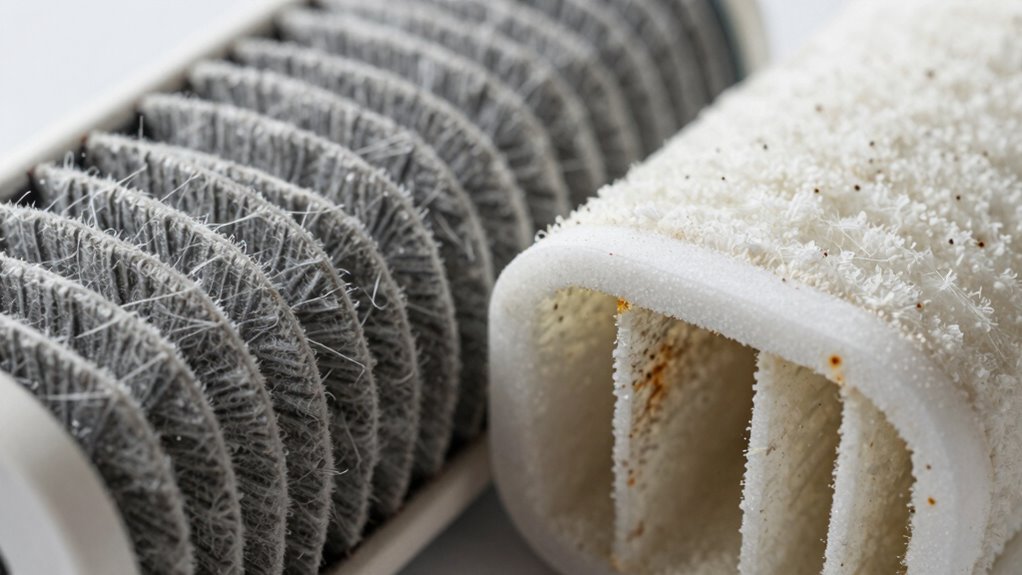
Knowing when your air and water filters are clogged is essential to maintaining a healthy environment and ensuring your systems work efficiently. One way to gauge this is by tracking your filter lifespan—most filters have recommended durations, and exceeding them can lead to reduced performance. Regular maintenance tips include inspecting filters for visible dirt or debris, noticing any decrease in water flow or airflow, and paying attention to system efficiency. If your filters look dirty or you observe a decline in system output, it’s a sign they’re clogged. Keep a schedule to check filters periodically, and replace them before performance drops notably. Additionally, understanding filter types and their specific maintenance needs can help you optimize their lifespan. Proper filter replacement is crucial to prevent system strain and ensure continued optimal performance. Monitoring filter performance can also alert you to potential issues early on, saving time and resources. Staying aware of system efficiency indicators can further help you determine when a filter needs attention. Regularly checking for filter indicators can provide additional guidance for timely replacements.
What Are the Key Signs That Your Filters Need Replacing?
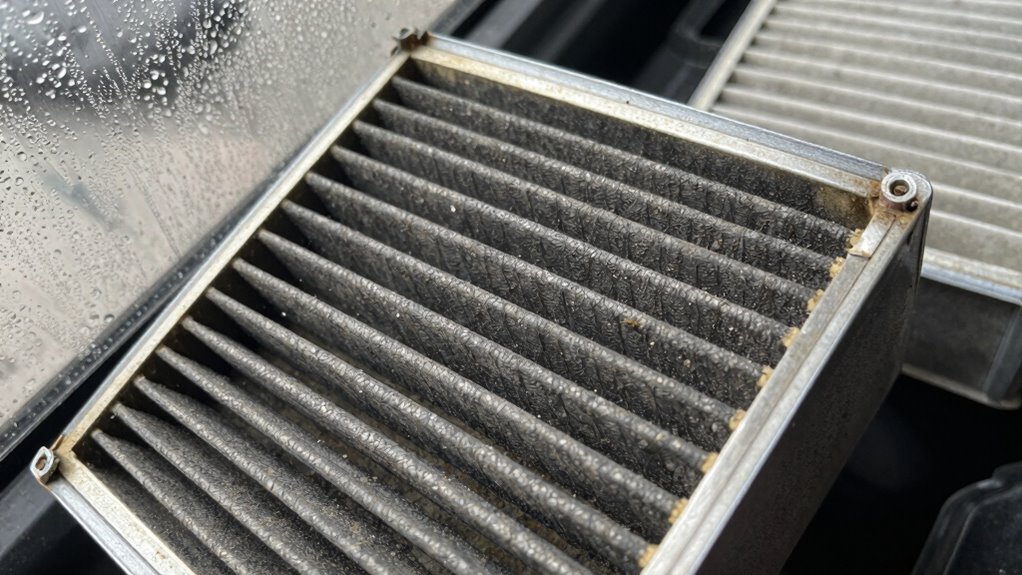
Recognizing when your filters need replacing is essential for maintaining ideal performance and a healthy environment. During filter maintenance, pay attention to signs like reduced airflow, increased energy bills, or persistent odors. If your HVAC or water system takes longer to heat or cool, it’s a clear indicator that your filters may be clogged. You might also notice dust buildup or allergy symptoms worsening, which signal it’s time for replacement. Additionally, if you see dirt or debris visibly trapped in the filter, it’s a sign it’s reached its capacity. Being aware of filter lifespan and replacement intervals helps you stay ahead of issues and ensures you replace filters at the right timing, preventing system strain and maintaining air and water quality effectively. Regularly monitoring and understanding filter efficiency can help you optimize your indoor environment and reduce potential health risks. Understanding system performance can also alert you when a filter change is necessary before more significant problems occur. Moreover, staying informed about maintenance best practices ensures your system functions smoothly over time.
How Does Not Replacing Filters Affect Your Home’s Performance?

When you neglect to replace your filters regularly, your home’s HVAC and water systems have to work much harder to deliver the same level of comfort. This strain shortens the filter lifespan and disrupts your maintenance routines. As a result:
- Your system consumes more energy, raising utility bills.
- Air quality declines, increasing allergens and dust in your home.
- System components wear out faster, risking costly repairs.
- Using the right airless paint spraying tips and gear can help prevent some system strain and maintain efficiency.
Additionally, regular filter replacement can improve your system’s longevity and performance. Ignoring proper filter replacement hampers overall performance and reduces efficiency. Over time, clogged filters force your equipment to operate beyond ideal capacity, leading to decreased airflow and uneven heating or cooling. Proper maintenance routines, including timely filter changes, are essential to keep your system running smoothly and extend its lifespan. Neglecting this simple task can considerably impact your home’s comfort and your wallet. Maintaining filter efficiency is crucial for optimal operation and energy savings. Moreover, understanding the filter clogging signs can help you identify the right time for replacements before issues escalate.
How Can You Monitor Your Filters’ Condition Over Time?
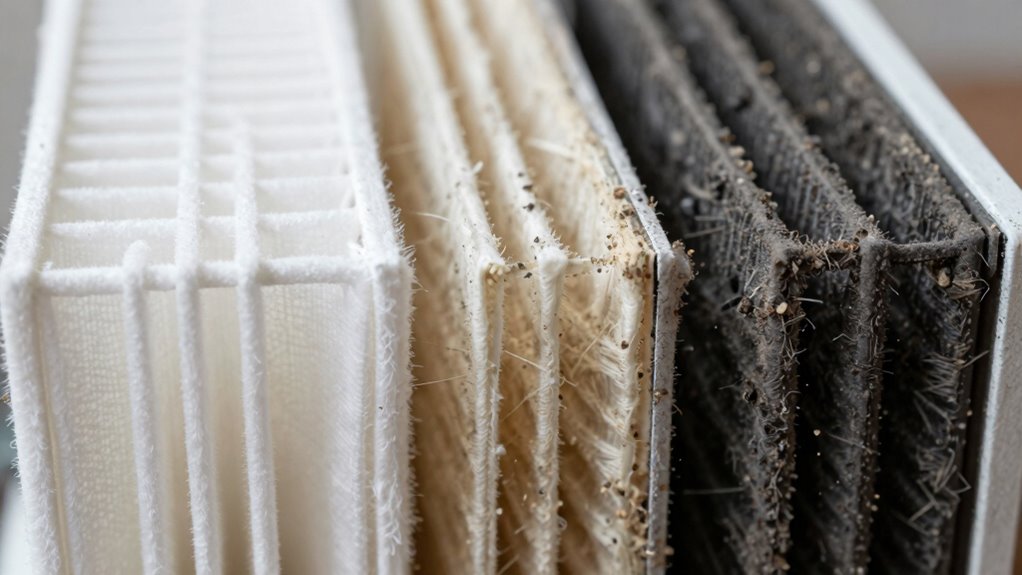
Monitoring your filters’ condition over time is essential to prevent clogs before they cause problems. Regularly tracking your filter lifespan helps you catch signs of wear early. Create a maintenance checklist that includes inspecting filters for dirt buildup, discoloration, or damage. Use visual cues like reduced airflow or increased energy use as indicators your filters may need attention. Keep a record of when you last replaced or cleaned them to establish a routine. Some filters come with indicator lights or pressure gauges—use these tools to monitor their condition actively. Understanding how measurement tools work can help you assess filter performance more accurately. Additionally, familiarizing yourself with basic safety tips ensures you handle filter replacements or inspections safely. Proper filter handling techniques can prevent damage and ensure optimal performance. By staying vigilant and maintaining a schedule, you ensure your filters work efficiently, prolong their lifespan, and avoid unexpected clogs that could compromise your home’s air or water quality. Regular inspections and tracking can also help you identify early warning signs, allowing for timely replacements that prevent costly repairs. Incorporating filter maintenance schedules into your routine can further streamline the process and keep your system running smoothly.
Why Replacing Filters on Schedule Saves You Money and Ensures Clean Air and Water

Replacing filters on schedule saves you money by preventing costly repairs and energy waste, ensuring your system operates efficiently. When you stick to a proper maintenance schedule, you maximize the filter lifespan and avoid sudden breakdowns. Here are three key reasons to keep up with your replacement routine:
Replacing filters on schedule saves money, prevents breakdowns, and keeps your system running efficiently.
- Better Air and Water Quality: Fresh filters trap more contaminants, providing cleaner air and water.
- Lower Energy Bills: Clean filters reduce the workload on your system, cutting energy costs.
- Extended System Life: Regular replacements prevent dirt buildup that can damage components over time.
Frequently Asked Questions
How Often Should I Replace Filters for Optimal Performance?
You should replace your filters every 1 to 3 months to maintain ideal performance. Check the filter lifespan and follow a consistent replacement schedule to prevent clogging and guarantee good air quality. Factors like pets, allergies, and indoor air pollution can shorten the lifespan. Regularly inspect your filters for signs of dirt and replace them promptly to keep your system running efficiently and avoid costly repairs.
Are There Specific Filters Better for Certain Home Environments?
Choosing the right filter is like finding a perfect puzzle piece for your home. For better air quality, opt for filters compatible with your system and suited to your environment. If you have pets, allergies, or smoke, HEPA filters are ideal, while those in polluted areas might need activated carbon filters. Always check filter compatibility and select based on your home’s specific needs to guarantee ideal performance.
Can Dirty Filters Cause Health Issues?
Yes, dirty filters can cause health issues by reducing air quality and trapping allergens, bacteria, and mold. When filters are clogged, you might notice increased allergy symptoms, respiratory problems, or headaches. Replacing filters on time guarantees cleaner air and better allergy relief. Regularly changing filters keeps your home healthier, especially if anyone has asthma or allergies, and prevents potential long-term health complications caused by poor indoor air quality.
Do Professional Inspections Help Identify Filter Problems Early?
Yes, professional inspections help identify filter problems early. When you schedule regular inspections, experts can assess your HVAC system’s air quality and spot issues before they become serious. Increased inspection frequency means you’ll catch clogged or dirty filters sooner, ensuring your system runs efficiently and maintains good air quality. Don’t wait for signs of trouble—routine inspections keep your filters in check and your indoor air healthy.
What Are the Environmental Impacts of Replacing Filters Frequently?
Think of replacing filters as tending a garden; too often, and you risk harming the environment. Frequent filter changes contribute to resource waste and increase air pollution from manufacturing and disposal. While fresh filters improve air quality, unnecessary replacements can harm ecosystems. To balance indoor air quality with environmental care, replace filters only when needed, reducing resource waste and helping minimize air pollution caused by discarded filters.
Conclusion
Just like a garden needs regular pruning to stay healthy, your filters need timely replacing to keep your home breathing easy and running smoothly. Ignoring those signs is like trying to run a marathon with a heavy backpack—you’ll tire out faster and cause damage. Stay vigilant, monitor your filters, and replace them on schedule. It’s a small step that makes a big difference, ensuring your air and water stay pure and your home remains a comfortable haven.