
TL;DR
A Hunker report describes reusing old slate and clay roof tiles for garden edging and decorative walkways. The source cautions that roofing tiles are thinner than pavers, some can become slippery or crack, and asphalt shingles may leach petroleum compounds into soil.
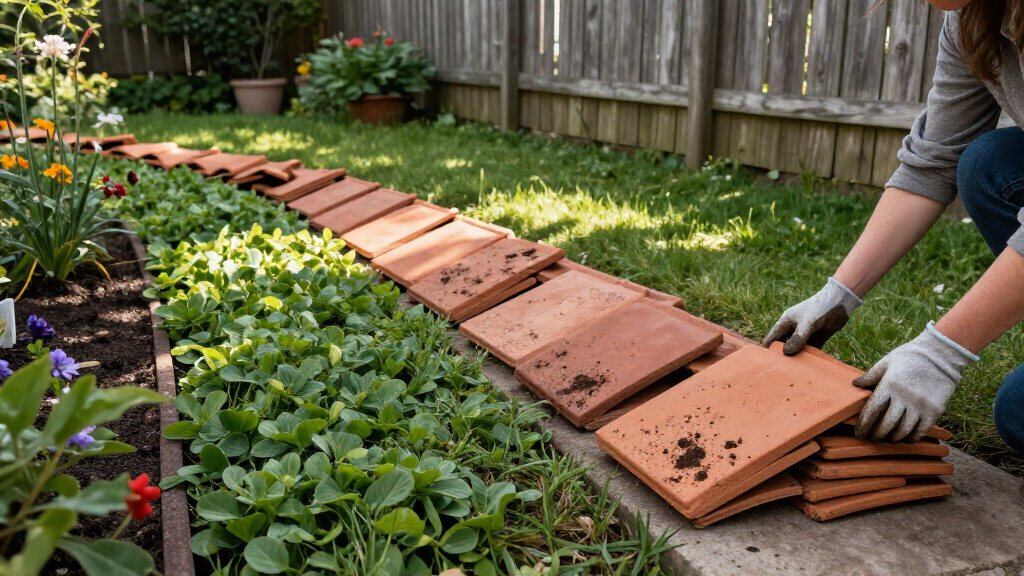
Hunker has reported that old roof tiles can be reused for garden edging and decorative walkways, offering an alternative to conventional pavers. The article says slate and clay are better suited to garden projects than asphalt shingles, but warns that roofing tiles are thinner than pavers and can crack or become slippery, limiting their use in areas with regular foot traffic.

Get cleaning gear delivered free with Prime
- Fast, free delivery on millions of items
- Prime Video, Amazon Music and more included
- Member-only deals all year
The Hunker report recommends slate and clay tiles for landscaping, describing both as relatively weather resistant. Slate holds up better in wet conditions, while unsealed clay can absorb water and may crack when it freezes. The report says these materials are best considered for decorative paths rather than heavily used walkways.
Tiles can also be placed vertically or laid flat on a compacted base to edge garden beds. The article points to curved Spanish “S” clay tiles as one option for adding shape. Slate edges may be sharp and should be filed down, it says. The source also cautions that slate and other glazed tiles, including ceramic, can become slippery when wet.
For sourcing, Hunker suggests checking local Facebook Marketplace listings or Buy Nothing groups, where used tiles may be offered free. The article says asphalt shingles are common and may be easier to find, but cites the USDA Cooperative Extension’s warning that they can potentially leach petroleum compounds into soil. The extension says the compounds are unlikely to be absorbed by plants; Hunker advises keeping asphalt shingles away from edible plants or avoiding them.
Where Roof Tiles Fit in Gardens
Reusing suitable roof tiles can give homeowners a way to make use of material left over from a roof repair or sourced locally. In the report’s examples, the strongest fit is decorative edging, where tiles can follow the shape of a garden bed and echo the roof’s colors or style.
The material choice affects both durability and safety. A thinner tile is more vulnerable to breakage under foot traffic than a traditional paver, and a wet, glazed surface may be slippery. Treating a tile path as ornamental and keeping it out of heavily used routes can reduce those concerns, though the source gives no load ratings or installation specifications.
Products Worth Considering

Dyson Airwrap Co-anda2x Multi-Styler and Dryer (2026 Model)

Levoit Eleva 300X Air Purifier with Fully Sealed HEPA Filtration and Smart Control

Bose Smart Ultra Dolby Atmos Soundbar with Voice Control, HDMI eARC, Black
As an affiliate, we earn on qualifying purchases.
From Roofing Material to Garden Edge
The report begins with a practical question: what can be done with roofing material after it is removed? It draws a comparison between roof tiles and conventional pavers, which are commonly used for paths and borders, and proposes adapting tiles for smaller garden projects.
It covers several material types, including slate, clay, ceramic and asphalt shingles. Its advice distinguishes between materials that can serve as decorative hardscaping and asphalt products that raise a soil exposure concern. The article does not identify a specific roofing replacement project or report a new product launch; it is a home and garden report offering reuse ideas and cautions.
“Asphalt shingles can potentially leach petroleum compounds into the soil.”
— Hunker, citing the USDA Cooperative Extension
Material Risks Need Local Checks
The report does not specify how much petroleum material asphalt shingles may leach, under what conditions, or which products it considered. It relays the Cooperative Extension’s assessment that plant absorption is unlikely, but gives no measurements or guidance for particular soil types.
It also does not provide installation details, expected service life, or safety testing for paths made from reclaimed tiles. The condition, composition and finish of salvaged tiles can vary, so readers would need to assess the specific material before use. The source does not say whether local rules apply to disposing of or reusing roofing waste.
Choose Tiles Before Installing
Anyone considering the project can first identify the tile material and inspect its condition, then choose a use that matches its limits. Slate or clay may suit garden edging or a low traffic decorative path; asphalt shingles should be kept away from edible plants or excluded, following the precaution described in the report.
Local listings and community reuse groups may provide a source for reclaimed tiles, but Hunker does not report a specific availability or price. The next step is to check the tiles’ edges, surface and likely exposure to water before placing them in a garden.
Key Questions
Which old roof tiles does the report recommend for landscaping?
Hunker describes slate and clay as better options for garden projects. It says slate is tougher in wet conditions, while unsealed clay can absorb water and crack when frozen.
Can roof tiles replace pavers on a walkway?
They may work for a decorative, low traffic path, according to the report. Roofing tiles are thinner than traditional pavers and may break under heavy foot traffic; glazed tiles can also be slippery when wet.
Are asphalt shingles suitable for garden beds?
The report cites the USDA Cooperative Extension’s warning that asphalt shingles can potentially leach petroleum compounds into soil. It recommends keeping them away from edible plants or avoiding them, while noting that the extension says plant absorption is unlikely.
Where can people find reclaimed roof tiles?
Hunker suggests checking Facebook Marketplace and local Buy Nothing groups. The report says tiles may be available free, but gives no specific listings or locations.
Source: rss