TL;DR
A Veranda report gathers advice from interior designers on making guest bedrooms feel more welcoming and polished, including layered patterns, adjustable bedside lighting and better linens. Their recommendations also emphasize practical hospitality, such as storage, chargers and a range of pillows; no costs or measured results are provided.
A Veranda report has collected eight recommendations from interior designers for making a guest bedroom feel more polished, comfortable and useful, from layering wallpaper and textiles to providing adjustable bedside lights, storage and guest-ready amenities. The advice frames luxury less as a matter of expensive furnishings than as a combination of considered design and practical hospitality.

Get cleaning gear delivered free with Prime
- Fast, free delivery on millions of items
- Prime Video, Amazon Music and more included
- Member-only deals all year
Designer Caroline Walker recommends using wallpaper and textiles across several parts of the room to build a coordinated look. In her own guest room, she combined butter-yellow and green patterns inspired by her mother’s affection for Laura Ashley designs. Walker says variation in pattern and texture can make the space feel curated, while the mix should remain comfortable rather than overwhelming.
Lighting and flexible furnishings can make even a small room more usable, the report says. It highlights adjustable sconces positioned within reach of the bed, so guests can read or set a preferred level of light. Alan and Jess Weeth of Weeth Home suggest finding room for an armchair or compact desk, giving visitors somewhere to take a call, work or get ready beyond the bed itself.
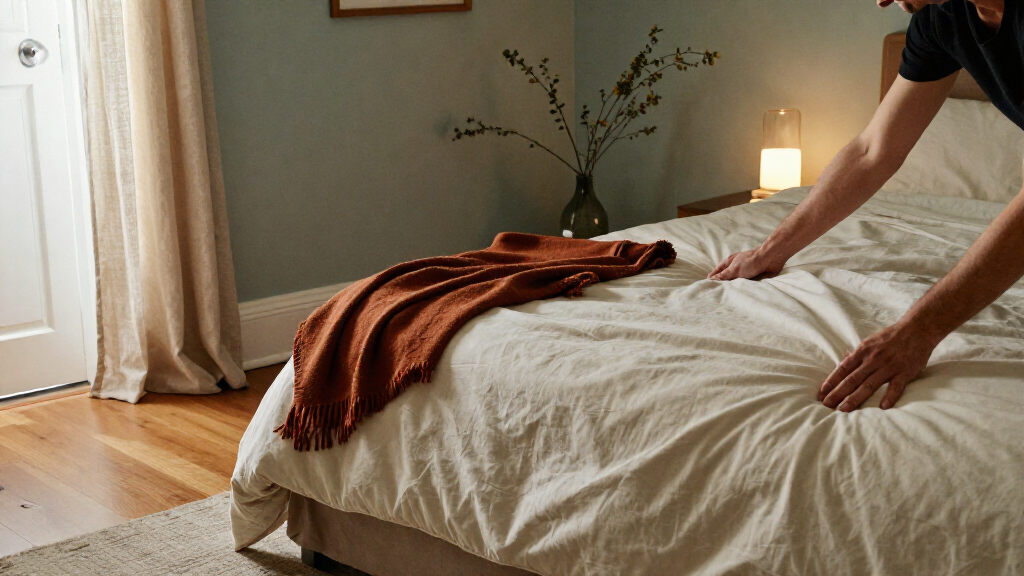
The designers also stress comfort and everyday usefulness. Roger Higgins recommends fresh flowers, reading material, a luggage rack, chargers and readily available Wi-Fi details. Ashton Taylor Oberhauser advises investing in good linens and storage with drawers or shelves. CeCe Barfield Thompson points to matching hangers, hanging space, an extra blanket and a selection of pillows—including a foam option—as small provisions that can help guests settle in.
Comfort Beyond the Bedroom Look
The recommendations matter because guest rooms serve both as designed spaces and as temporary homes for visitors. A room may photograph well but still leave guests without a place to put luggage, charge a phone or find an extra blanket. The designers’ shared emphasis is that comfort and convenience contribute to the impression of quality alongside decorative choices.
Several suggestions can also be adapted to limited square footage. A small desk, adjustable wall lights or storage that uses vertical space may add function without requiring a full room renovation. The report does not establish that these changes increase property value or produce a particular financial return; it presents them as professional design and hosting advice.
Products Worth Considering

Dyson V8 Cordless Vacuum

Philips Hue Smart Light Starter Kit with Bridge and 4 White and Color A19 Bulbs

Levoit Core 600S-P Smart Air Purifier for Large Rooms up to 2933 ft²
As an affiliate, we earn on qualifying purchases.
Eight Ideas From Interior Designers
The source is a design-advice feature from Veranda, drawing on comments from designers including Walker, the Weeths, Higgins, Oberhauser and Thompson, as well as Elizabeth Bennett and Mallory Robins of KOBEL + CO. Its eight themes cover nostalgic pattern, layered textiles, lighting, suite-like functionality, amenities, texture, linens and storage, and practical finishing details.
The report treats the guest room as a place where hosts can make personal design choices while keeping visitors’ needs in mind. It recommends balancing visual interest with restraint: textured walls or layered drapes can add warmth, but the room should still feel restful. These are expert opinions and examples, not results from a comparative study of bedroom designs.
“Guest bedrooms provide an opportunity to step outside your comfort zone with bolder choices and create spaces that feel special for loved ones.”
— Caroline Walker, interior designer
What the Advice Does Not Measure
The article offers professional recommendations and room examples, but it does not compare costs, test guest preferences or quantify how much any change affects a room’s perceived value. It also gives no single budget, shopping list or layout plan for readers to follow. The best choices will depend on room size, existing furniture, host budget and individual guest needs.
How Hosts Can Apply the Ideas
The report outlines no follow-up study or scheduled development. For hosts using the guidance, a practical next step is to review the room from a visitor’s perspective: check whether there is comfortable lighting, a place to unpack, accessible charging and Wi-Fi information, and enough bedding options. Decorative updates—such as coordinated textiles or a textured wall treatment—can then be weighed against the room’s available space and intended use.
Key Questions
What are the main ways to make a guest bedroom feel more expensive?
The designers recommend layered textiles, thoughtful lighting, quality linens, useful storage and practical amenities. The report presents these as ways to make a room feel more considered, not as a guarantee of increased property value.
How can a small guest bedroom feel more like a suite?
Alan and Jess Weeth suggest adding a compact desk or armchair if space allows. Adjustable bedside lighting and storage that suits the room can also improve function without needing a large floor plan.
Which amenities do the designers suggest providing?
Suggestions include chargers, Wi-Fi details, a luggage rack, fresh flowers, reading material, extra blankets and pillows with different firmness levels.
Does the report say expensive furniture is necessary?
No. The designers emphasize thoughtfulness and practical details as well as appearance. They do recommend investing in comfortable linens and adequate storage, but the report does not set a required budget.
Source: veranda.com