TL;DR
Cordless stick vacuum cleaners can handle everyday cleaning in many apartments and moderately sized homes, particularly those with hard floors and low-pile carpet. Choose by tested pickup, practical runtime with a powered head, balance, filtration, battery availability, and parts support rather than voltage or headline suction alone.
The biggest number on the box may tell you the least about how well a vacuum cleans. A high-voltage machine can still scatter breakfast crumbs, cling stubbornly to a thick rug, or leave your wrist aching after ten minutes.
You need to know whether a cordless model will clean your floors, last through your routine, and remain usable when its battery starts aging. Those questions matter far more than a glowing display or a dramatic burst of boost-mode noise.
This guide shows you how to judge real pickup performance, realistic battery life, filtration, comfort, maintenance, and ownership costs. You will also see where modern features help—and where they merely add sparkle to the sales demonstration.
Judge a vacuum by tested pickup on your flooring, not voltage, wattage, or boost-mode noise.
Base runtime on use with a powered floor head; many small homes need 20–40 practical minutes.
Choose a removable battery only after checking the price and availability of replacement packs.
Power off and remove the battery before clearing the brush roll, then dry washed filters completely before reuse.
Treat sensors, lights, and auto-empty docks as convenience features rather than substitutes for sound mechanical design.
Why Today’s Stick Vacuums Can Handle the Daily Clean
Cordless stick vacuum cleaners can replace a corded model in many apartments and moderately sized homes because modern floor heads, airflow systems, and batteries handle daily dust, crumbs, and low-pile carpet. They work best when your cleaning sessions fit the machine’s runtime, bin size, and floor-head design [1].
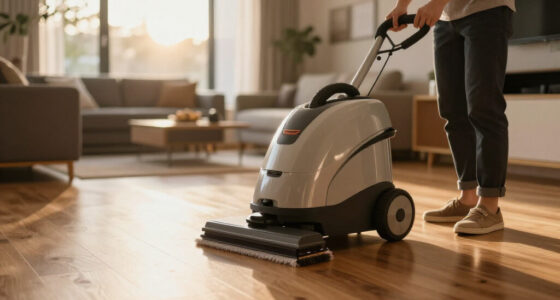
Cordless stick vacuums have evolved from lightweight secondary cleaners into capable everyday machines. Their main appeal is simple: when oats spill across the kitchen or muddy grit appears by the door, you can grab the vacuum, hear the soft whir of the roller, and finish in two minutes.
Think of cleaning performance as a band rather than a solo act. Suction and airflow keep the rhythm, the brush roll and floor head do the lead work, and tight seals stop energy from leaking away. One impressive voltage figure cannot rescue a poorly matched ensemble.
Here, power means repeatable pickup, not the fiercest sound in boost mode. A large carpeted house, thick rugs, workshop debris, or heavy shedding may still favor a corded vacuum, a spare battery, or a larger machine with a roomier bin.
cordless stick vacuum with long runtime
As an affiliate, we earn on qualifying purchases.
As an affiliate, we earn on qualifying purchases.
Match the Floor Head to Your Home in 60 Seconds
Cordless stick vacuum cleaners suit different homes according to the floor head, brush action, airflow, and steering. Soft rollers usually collect powdery dust and cereal from hard floors, while carpet needs stronger agitation. Mixed-floor homes benefit from automatic surface detection or adjustable brush power.
| Your home | Useful setup | Watch for |
|---|---|---|
| Mostly hard floors | Soft roller and good edge pickup | Trapped grit or damaged wheels that could scratch |
| Low-pile carpet | Motorized brush roll with steady airflow | Hair wrap and falling power as the bin fills |
| Thick rugs | Adjustable suction or brush speed | A powerful head sticking to the rug |
| Pets and mixed floors | Anti-tangle head and motorized upholstery tool | Small bins filling rapidly with fluffy hair |
A home with pale oak boards and one dense wool rug is a perfect example. A soft roller may glide over the boards like a paintbrush, then struggle on the rug. Check the flooring maker’s cleaning advice, especially for delicate wood or specialty finishes.
As an affiliate, we earn on qualifying purchases.
Use These Five Checks to Avoid the Wrong Machine
Cordless stick vacuum cleaners should be chosen through five practical checks: floor pickup, realistic runtime, handling, dust control, and repair support. A five-minute trial with the correct powered head tells you more about daily use than battery voltage, motor wattage, or a long accessory list.
- Check independent pickup tests. Look for results on hard floors, carpet, edges, embedded dirt, and pet hair—not one manufacturer number.
- Calculate practical runtime. Small homes often need 20–40 minutes; larger homes may need 40–60 minutes or a spare battery [1]. Consider that these figures become more meaningful when tested with the powered floor head, which reflects real-world cleaning time. A vacuum’s ability to clean effectively during its entire runtime depends heavily on airflow and brush engagement—factors that vary with head design and debris type. Understanding this helps prevent choosing a model that promises long run times but struggles to maintain suction or agitation when actively cleaning.
- Hold it at cleaning height. A top-heavy motor can strain your wrist even when the vacuum’s total weight sounds low. Proper handling ensures you can clean comfortably without fatigue, especially during longer sessions. The ergonomic design and balance impact not just comfort but also the consistency of cleaning—an awkwardly balanced vacuum can lead to uneven cleaning and fatigue, reducing overall efficiency and increasing user frustration.
- Inspect the bin and filtration. Favor touch-free emptying, a clear fill line, washable parts, and a sealed air path when allergies matter [2]. This reduces the risk of dust escaping during disposal and maintains consistent airflow, which directly impacts cleaning effectiveness and air quality. A well-sealed system prevents dust from re-entering your environment, and easy maintenance encourages regular upkeep, prolonging the vacuum’s lifespan and ensuring sustained performance.
- Price the ownership years. Check replacement batteries, filters, rollers, chargers, floor heads, bags, and local repair options before buying. Considering long-term costs helps avoid surprises and ensures your vacuum remains effective and affordable over time. This tradeoff analysis often reveals that a slightly more expensive model with readily available parts and support can be more economical over its lifespan than a cheaper one that becomes obsolete or costly to repair.
Imagine cleaning stairs with one hand while holding the rail with the other. A comfortable handle, continuous-power button, and balanced body become more useful than an extra mode on a color screen. If possible, steer the machine around a chair and lift it toward a shelf before paying.
A removable battery adds value only when replacement packs are available at a sensible price. Otherwise, the vacuum can become electronic waste when the original pack loses capacity.
best cordless vacuum for hard floors
As an affiliate, we earn on qualifying purchases.
As an affiliate, we earn on qualifying purchases.
Keep Strong Suction With Ten Minutes of Routine Care
Cordless stick vacuum cleaners keep their suction when you empty the bin before it is packed, clear the airways, remove wrapped hair, and clean filters on schedule. Ten minutes of regular care prevents the wheezing sound, stale smell, and weak pickup that often get blamed on the motor.
- Power off the vacuum and remove its battery before touching the brush roll or clearing a blockage. This prevents damage and ensures safety during maintenance.
- Empty at the fill line. Pet hair and debris can quickly clog the system if left unchecked. Regular emptying maintains optimal airflow and prevents loss of suction, especially in homes with pets or high traffic. When the bin is full, airflow is restricted, reducing suction and agitation—this can lead to increased cleaning times and frustration. Regularly clearing the bin ensures the vacuum maintains peak performance and prolongs its lifespan.
- Clear the roller and wand. Wear gloves when sharp grit, glass, or metal may be present. Regularly inspecting and cleaning these parts prevents buildup that can hinder performance and cause damage over time. Accumulated hair or debris can also cause the brush to stop turning, which diminishes cleaning effectiveness and can strain the motor.
- Wash filters only as directed. Let them dry completely—often at least 24 hours—before putting them back. Proper maintenance of filters preserves their effectiveness, prevents mold growth, and prolongs their lifespan, ensuring cleaner air and consistent suction. Using wet filters before they’re fully dry can lead to mold and bacterial growth, which defeats the purpose of filtration and can cause health issues.
If crushed cereal remains on the floor after two passes, inspect the machine before reaching for boost mode. A wad of hair around the roller or a bottle cap in the wand can choke airflow within seconds. Wiping sensors and checking seals also restores consistent behavior, preventing unnecessary strain on the motor and maintaining cleaning performance. Regular checks prevent small issues from escalating into costly repairs or complete breakdowns, ensuring the vacuum remains reliable over time.
Never collect liquids, hot ash, or fine construction dust with a standard household stick vacuum. Use only equipment rated for that material, and leave battery, charger, motor, or internal electrical repairs to a qualified professional.
Use the supplied charger and keep its vents open. If a battery becomes swollen, unusually hot, leaky, or sharp-smelling, stop using it and contact the manufacturer or a battery-recycling service. If the wall outlet looks scorched or feels loose, call a licensed electrician.
As an affiliate, we earn on qualifying purchases.
Pay for Features That Save Work After the Demo
Cordless stick vacuum cleaners earn their price when added features reduce cleaning time, dust contact, or long-term replacement costs. Dirt sensors, illuminated heads, and auto-empty docks can help, but none can repair poor pickup, tiring balance, weak seals, or unavailable spare parts.
- Dirt detection can adjust suction automatically, though particle counts are not laboratory measurements of cleanliness. Its true value lies in helping the vacuum adapt to varying debris levels, ensuring consistent performance without manual adjustment. This means the vacuum can respond dynamically to different cleaning conditions, reducing user intervention and improving overall efficiency.
- Low-angle illumination exposes silvery dust under cabinets, but seeing dirt does not prove the head collects it well. It aids in identifying overlooked spots, yet the ultimate test remains actual pickup efficiency, which depends on airflow and brush design. Good lighting helps you target cleaning efforts but doesn’t guarantee better results if the suction or agitation isn’t sufficient.
- Auto-empty docks reduce bin handling, while adding noise, floor space, bags, and recurring costs. They can be worthwhile for convenience, but it’s important to weigh these factors against your noise tolerance and maintenance preferences. Auto-empty systems are helpful for frequent cleaning but may introduce additional complexity or expense if not aligned with your cleaning habits.
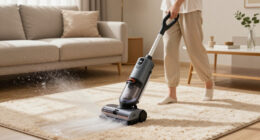
- Wet-and-dry heads save time on sealed floors but require tank, roller, and channel cleaning after use. They are best suited for those who frequently clean hard surfaces and are willing to perform regular maintenance to prevent mold and odor issues. The tradeoff involves extra effort to keep the system hygienic, but for heavy-duty or frequent wet cleaning, they can significantly reduce overall cleaning time and effort.
For a dog owner vacuuming twice a day, an auto-empty dock may be worth its brief, hair-dryer-like roar. In a quiet studio flat, that same dock may feel bulky and expensive. Your routine decides the value, not the feature count.
Wet-cleaning models deserve extra discipline. Leave damp debris inside overnight and the machine can greet you with a sour, swampy smell the next morning. Empty the dirty-water tank, wash the roller, clean the channels, and let every part dry in open air. Proper maintenance prevents mold growth, unpleasant odors, and ensures the vacuum operates at peak efficiency over its lifespan.
Before paying a premium, check whether you can buy a battery, filter, brush roll, and floor head several years later. A plain midrange vacuum with solid parts support can outlive a glossy flagship whose failed battery turns the whole appliance into waste.
Frequently Asked Questions
Can a cordless stick vacuum replace a corded vacuum?
Yes, for many smaller and moderately sized homes, especially those with hard flooring and low-pile carpet. Large carpeted houses, thick rugs, heavy shedding, or long cleaning sessions may still call for a corded vacuum or spare battery.
How much cordless vacuum runtime do I need?
Plan for 20–40 minutes of practical runtime in a small home and 40–60 minutes, split sessions, or a second battery in a larger one. Check figures measured with the powered floor head, because advertised maximums often use a low-power setting without it [1]. Considering real-world cleaning, the inclusion of a powered head ensures the runtime reflects actual usage, as many vacuums perform differently when actively cleaning versus idle.
Is a HEPA filter worth paying for?
A HEPA-filter can significantly improve air quality for allergy sufferers, but it’s only effective when combined with a sealed air system. Many vacuums with HEPA filters still leak dust if their body or bin seals are imperfect, undermining the filter’s benefits. Therefore, prioritize models with comprehensive sealing and easy, hygienic emptying to truly benefit from HEPA filtration and protect indoor air quality.
Is it safe to leave a cordless vacuum charging?
Most reputable models are designed for dock charging with the supplied charger, which minimizes risks. However, always keep vents clear to prevent overheating, avoid damaged cords, and cease charging if the battery becomes swollen, very hot, or leaks. These signs indicate potential hazards, and consulting a professional or the manufacturer ensures safety. Never leave a charging vacuum unattended for extended periods if you notice abnormalities, as this could pose fire or electrical risks.
Can a cordless stick vacuum pick up water?
Only if explicitly rated for wet pickup. Standard dry vacuums are not designed to handle liquids and can suffer severe damage or electrical hazards if used improperly. Wet-and-dry vacuums are equipped with tanks and seals to manage water safely, but they require thorough cleaning after use to prevent mold and odors. Always check the specifications to ensure your vacuum is suitable for wet cleaning, and never attempt to vacuum liquids with a device not rated for that purpose.
Conclusion
Buy the vacuum whose limits fit your routine: enough pickup for your floors, enough runtime for your rooms, and parts you can still purchase years from now. The right machine is not the one that shouts the loudest on the box; it is the one waiting by the wall when crumbs crackle under your socks.