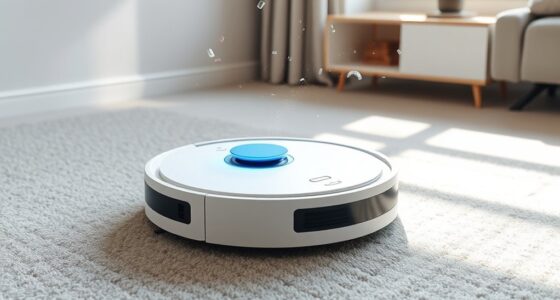
Suction ratings measured in pascals (Pa) or inches of mercury (inHg) show how much vacuum a pump or device can generate. Higher ratings mean stronger suction power, but it doesn’t guarantee suitability for your specific needs. Several factors like system design, environmental conditions, and safety margins influence actual performance. Understanding these ratings helps you choose the right equipment and operate it safely. Keep exploring further to uncover more about interpreting and applying these important numbers.
Key Takeaways
- Suction ratings in pascals (Pa) measure the maximum vacuum a pump can generate, indicating its strength.
- Higher Pa ratings suggest greater potential for strong suction, but actual performance depends on system design.
- Real-world factors like leaks, altitude, and temperature can cause deviations from rated suction capabilities.
- Ratings are maximum capacities; selecting equipment with higher ratings than your application’s needs ensures safety.
- Understanding efficiency and safety features helps in accurately interpreting Pa numbers for optimal pump selection.
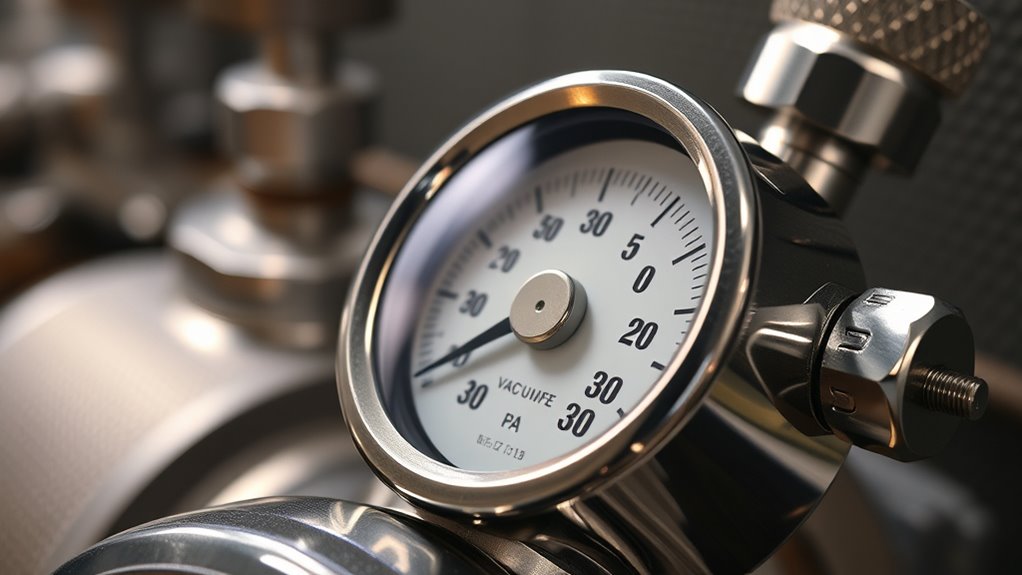
Have you ever wondered what suction ratings really mean when choosing a product? Understanding these ratings can seem confusing at first, but it’s vital for making informed decisions. Suction ratings are typically expressed in pascals (Pa) or inches of mercury (inHg), and they indicate the maximum amount of vacuum a pump or device can generate. When you’re shopping for equipment like pumps or vacuum systems, knowing how to interpret these numbers helps you select a device that performs reliably for your specific needs.
Pump efficiency plays a fundamental role in how well a device can achieve its rated suction. A pump with high efficiency converts more input energy into vacuum power, meaning it can generate stronger suction with less energy wasted. When evaluating suction ratings, it’s important to remember that the actual performance may vary depending on the system’s design and the application environment. For instance, a pump might have a high rated suction, but if it’s not efficient, it could require more power, which impacts both cost and sustainability. By choosing a pump with good efficiency, you guarantee that you get the maximum performance without unnecessary energy drain, making your setup more reliable and cost-effective over time.
Pump efficiency ensures maximum suction with less energy waste, enhancing performance and reducing costs over time.
Safety considerations are equally important when dealing with suction ratings. Operating a pump beyond its rated capacity can lead to overpressure, system failure, or even safety hazards. It’s vital to select a device with a suction rating that comfortably exceeds your application’s maximum demand, providing a buffer that prevents accidental overloads. Additionally, you should always incorporate safety features like pressure relief valves and gauges to monitor vacuum levels continuously. Proper maintenance and adherence to manufacturer guidelines ensure that the equipment operates within safe limits, reducing risks of damage or injury.
Understanding what the suction ratings mean also helps you avoid common pitfalls. For example, just because a pump has a high Pa number doesn’t mean it’s suitable for all applications. Factors like altitude, temperature, and system leaks can influence actual suction performance. Knowing these considerations allows you to select a device that not only has the right rating on paper but also performs safely and efficiently in your real-world scenario. Paying attention to pump performance factors ensures you choose equipment that meets your needs reliably and safely.
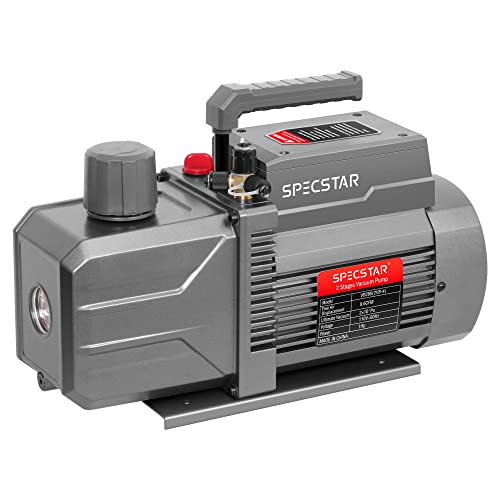
SPECSTAR 110V 9.6 CFM 1 HP Dual-Stage Rotary Vane HVAC Air Vacuum Pump for R12 R22 R134a R410a Systems with Oil Bottle
HIGH-QUALITY PUMP – Designed for air conditioning and refrigeration service, the SPECSTAR Air Vacuum Pump features high ultimate…
As an affiliate, we earn on qualifying purchases.
As an affiliate, we earn on qualifying purchases.
Frequently Asked Questions
How Do Pa Ratings Compare Across Different Industries?
When comparing PA ratings across industries, you should consider material compatibility and calibration importance. Different sectors may require specific pressure ranges, so verify your equipment’s materials match the media you’re measuring. Accurate calibration guarantees reliable readings, especially when standards vary. By understanding these factors, you can select the right PA ratings for your industry, ensuring safety, precision, and effective performance in applications like manufacturing, healthcare, or environmental monitoring.
Are Higher Pa Numbers Always Better?
Think of pressure standards as a dance, where higher PA numbers might seem like a more intense performance. But, in reality, higher PA ratings don’t always mean better vacuum efficiency; they just indicate greater pressure. You should consider your specific application, as lower PA might be more suitable for delicate tasks. Focus on matching the PA rating to your needs, rather than chasing the highest number for the best results.
How Do Temperature Variations Affect Pa Ratings?
Temperature effects can considerably impact PA ratings because they influence material stability. When temperatures rise, materials may expand or become less stable, lowering their ability to maintain suction. Conversely, cooler temperatures often improve stability and keep PA ratings consistent. You should consider temperature variations when evaluating suction performance, as extreme conditions can alter the material’s properties and affect the accuracy of your PA measurements.
Can Pa Ratings Predict Equipment Lifespan?
You might wonder if PA ratings can predict equipment lifespan. While higher PA ratings indicate better vacuum efficiency and greater pressure tolerance, they don’t directly forecast how long your equipment will last. Factors like usage, maintenance, and operating conditions play bigger roles. So, while PA ratings help assess performance, they shouldn’t be solely relied upon to gauge equipment durability or lifespan.
What Safety Considerations Relate to High Pa Ratings?
When dealing with high PA ratings, you should prioritize vacuum safety by respecting pressure thresholds to prevent equipment failure or accidents. Always follow manufacturer guidelines, avoid exceeding recommended suction levels, and wear appropriate protective gear. Monitoring pressure gauges regularly helps you stay within safe limits. Recognizing these safety considerations guarantees you protect yourself and others from potential hazards associated with high PA ratings, maintaining a safe working environment.
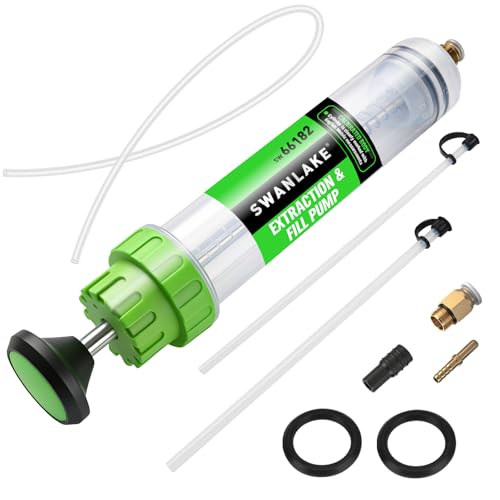
SWANLAKE 500cc Fluid Extractor & Fill Pump, Automotive Fluid Pump Extractor, Oil Change Pumps with 23'' Long Hose, 2PCS 12'' Extension Tubes, Suction Pumps for Lawn Mowers Cars
POWERFUL EXTRACTION – Delivers strong suction with its double-seal rubber rings, efficiently removing engine oil, transmission fluid, and…
As an affiliate, we earn on qualifying purchases.
As an affiliate, we earn on qualifying purchases.
Conclusion
Now that you understand suction ratings and what those PA numbers mean, you’ll notice how they subtly influence your choices. It’s funny how a simple number can impact your comfort and safety, almost like a coincidence guiding your decisions. So next time you see those ratings, you’ll appreciate the precision behind them, making your experience smoother. After all, understanding these details helps you trust your gear—and maybe even enjoy the little surprises along the way.

VTG VOGTEN 4.5 CFM AC Vacuum Pump and Gauge Set,for Mini Split/HVAC/Auto Systems,Manifold Gauge Kit Compatible with R134a R12 R22 R502,Includes 2 R134a Can Taps,R410a Adapters
HVAC Vacuum Pump Kit: This AC vacuum pump and gauge set includes a 110V 1/3 HP 4.5 CFM…
As an affiliate, we earn on qualifying purchases.
As an affiliate, we earn on qualifying purchases.

Blower Pressure Relief Valve | Vacuum Pressure Release Valve for Regenerative Blowers 0-300 mbar | Válvula de Alivio de Presión
✅ (Maximize Efficiency): Optimize your industrial blowers with the RV-01 Pressure Relief Valve. Enhance productivity and reduce downtime.
As an affiliate, we earn on qualifying purchases.
As an affiliate, we earn on qualifying purchases.