To care for your rubber brushes, clean them thoroughly after each use with warm water and mild soap to remove residues, then gently reshape the bristles and let them air dry in a ventilated area. Store the brushes upright or hanging in a dry, cool place away from sunlight to prevent deformation and damage. Regularly inspect for cracks or deformities, and replace them when they show signs of wear for the best results. Continue to explore how proper care keeps your brushes in top shape.
Key Takeaways
- Rinse rubber brushes thoroughly with warm water after each use to remove residual paint or debris.
- Use mild soap or specialized cleaners for stubborn residues, then rinse and shake off excess water.
- Store brushes in a dry, cool place, hanging or lying flat to prevent bristle deformation and mold growth.
- Regularly inspect for deformation or damage; replace brushes promptly to ensure optimal application quality.
- Avoid exposure to direct sunlight or heat during drying to protect rubber integrity and extend brush lifespan.
Rubber brushes are essential tools for cleaning and painting tasks, but their effectiveness depends on proper care. One of the most important aspects of maintaining your rubber brushes is focusing on bristle maintenance. Although rubber brushes typically have softer bristles compared to traditional brushes, they still need regular attention to prevent deformation and buildup. After each use, take a moment to inspect the bristles. Remove any debris, dust, or dried paint carefully, avoiding excessive force that could distort the bristle shape. Using a gentle comb or your fingers to straighten and align the bristles helps keep them in ideal condition for future tasks. Proper bristle maintenance ensures that the brush maintains its effectiveness, provides smooth application, and lasts longer. Regular cleaning also helps prevent bacterial growth that can occur if brushes are left dirty or damp for extended periods.
Equally important is how you store your rubber brushes. Incorrect storage methods can lead to bent or damaged bristles, mold growth, or deformation of the rubber itself. To prevent this, always store your brushes in a dry, cool place away from direct sunlight, which can cause the rubber to degrade over time. Keep the brushes upright or hang them with the bristles facing downward to avoid pressure that could flatten or bend the bristles. Using a dedicated brush holder or a tool rack keeps them organized and prevents accidental damage. Avoid tossing brushes into a drawer or leaving them on surfaces where they can be squished or contaminated with dust and dirt. Proper storage methods not only safeguard the integrity of the bristles but also help keep your workspace tidy and your tools ready for the next use.
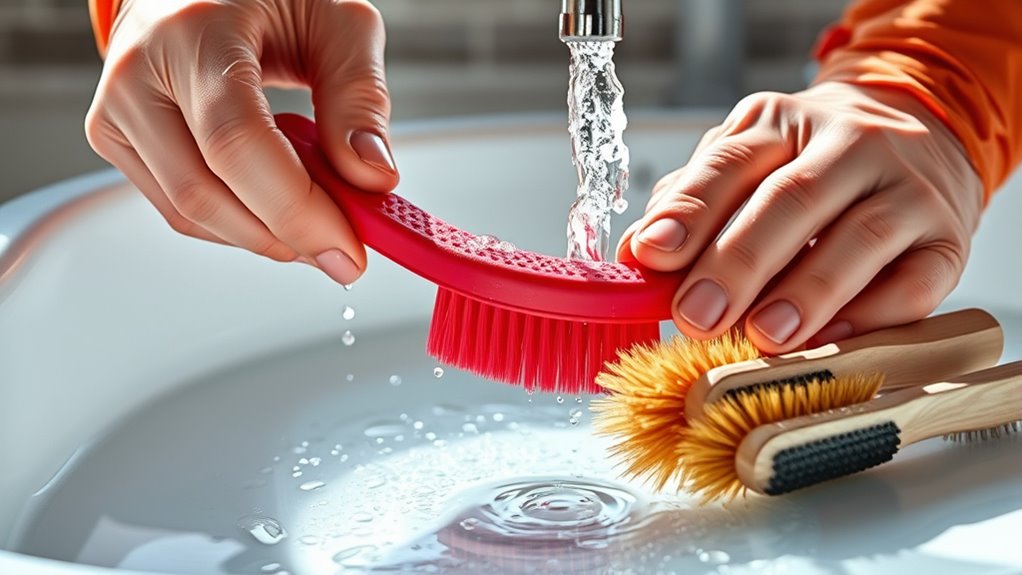
In addition to bristle maintenance and storage, you should also clean your rubber brushes thoroughly after each use. Rinse them under warm water to remove residual paint, dirt, or cleaning agents, then gently scrub with a soft brush or sponge if necessary. For stubborn residues, a mild soap or specialized cleaning solution works best—just be sure to rinse thoroughly to prevent soap buildup, which can affect the brush’s performance. Once cleaned, shake off excess water and reshape the bristles gently before drying. Avoid drying your brushes in direct sunlight or with heat sources, as this can damage the rubber and bristles. Instead, let them air dry in a well-ventilated area, preferably hanging or lying flat.

Palksky Washing Machine Cleaning Brush Set, Front Load Washer Machine Cleaner Accessories with 1PCS Drum Slot Cleaner Brushes and 5PCS Crevice Cleaning Brush for Washer Rubber Seal
- Designed for Front Load Washers: Easily cleans door seals and drum walls
- Precise Fit for Hard-to-Reach Areas: Cleans rubber seals, crevices, and detergent box
- Ergonomic, Labor-Saving Handle: Reduces fatigue and improves cleaning efficiency
As an affiliate, we earn on qualifying purchases.
As an affiliate, we earn on qualifying purchases.
Frequently Asked Questions
How Often Should Rubber Brushes Be Replaced?
You should replace your rubber brushes when they show signs of wear, such as cracking, warping, or loss of flexibility. The replacement frequency depends on the brush material and how often you use it. Typically, you might need to change them every 6 to 12 months if used regularly. Regular inspections help guarantee peak performance and longevity, preventing damage to your tools or materials.
Can Rubber Brushes Be Sterilized for Hygiene?
Yes, you can sterilize rubber brushes to meet hygiene standards. Use effective sterilization methods like boiling, which kills bacteria and germs, or chemical disinfectants designed for rubber. Make sure to follow the manufacturer’s instructions for safe use. Regular sterilization helps keep your rubber brushes hygienic, preventing bacteria buildup and ensuring they remain safe for repeated use. Always check if your specific brush material can withstand the sterilization method you choose.
What Are Signs of Rubber Brush Deterioration?
You might wonder how to spot rubber brush deterioration, and it’s worth investigating if visible cracking indicates material degradation. As rubber ages, it often shows signs like cracks, brittleness, or a loss of flexibility. These signs suggest the brush’s material is breaking down, making it less effective and potentially harboring bacteria. If you notice these issues, it’s time to replace your rubber brush to maintain hygiene and performance.
Are There Eco-Friendly Replacement Options?
You can find eco-friendly replacement rubber brushes made from biodegradable materials, which break down naturally and reduce environmental impact. Look for options from brands committed to sustainable manufacturing practices, ensuring your replacement choices support eco-conscious efforts. These biodegradable brushes are durable and effective, helping you maintain your routines while minimizing waste. Switching to sustainable options not only benefits the environment but also promotes responsible consumption in your daily life.
How Do Temperature Changes Affect Rubber Brush Longevity?
Temperature changes can considerably impact your rubber brush’s longevity. When exposed to heat, thermal expansion causes the rubber to stretch, while cold temperatures lead to contraction. Repeated cycles of expansion and contraction induce material fatigue, weakening the rubber over time. To extend your brush’s lifespan, avoid extreme temperature fluctuations and store it in a stable environment. Proper care minimizes stress on the material and helps prevent premature deterioration.

Acopelo Paint Brush Holder Set, Portable Silicone Stands with 4 Slots, 2 Pack
- Versatile Brush Slots: Holds multiple brushes for various paints
- Dual Pack Offer: Includes 2 portable brush holders
- Stable Silicone Base: Prevents tipping and keeps brushes upright
As an affiliate, we earn on qualifying purchases.
As an affiliate, we earn on qualifying purchases.
Conclusion
By regularly cleaning and replacing your rubber brushes, you keep them like new and your tools working smoothly. Think of your brushes as the heartbeat of your cleaning routine—when well cared for, they keep everything running effortlessly. Don’t let dirt and wear weigh them down; treat them with care, and they’ll serve you faithfully. A little attention now keeps your brushes in prime shape, ensuring your cleaning rhythm never misses a beat.

ECOMAID 4 Sets Replacement Rubber Roller Brushes Compatible for iRobot Roomba E & I & J Series, Replacement Parts Accessory for J8+ i7+ i7 i1 i2 i3 i4 i6 i6+ i8 i8+Plus E5 E6 E7 Vacuum Cleaner
- Compatible Models: Fits iRobot Roomba E/I/J series
- Premium Material: Made of durable, eco-friendly rubber
- Tangle-Free Design: Prevents hair entanglement with special tread
As an affiliate, we earn on qualifying purchases.
As an affiliate, we earn on qualifying purchases.

TailaiMei 2 Pack Color Removal Cleaner Sponge, Quickly & Easily Clean Makeup Brushes Powder Without Water or Chemical Solutions Eliminating Drying Time – Switch Eyeshadow Colored Immediately
- Quick Color Removal: Switch eyeshadow colors in 3 seconds
- Water-Free Cleaning: Clean brushes without water or chemicals
- Easy to Use: Gently swipe to remove pigment
As an affiliate, we earn on qualifying purchases.
As an affiliate, we earn on qualifying purchases.