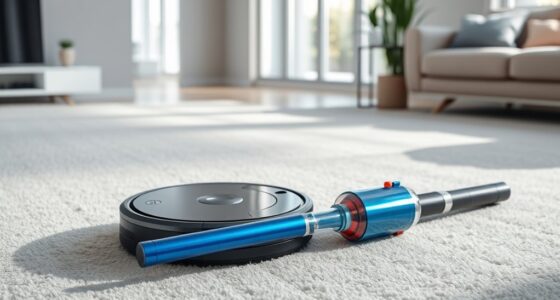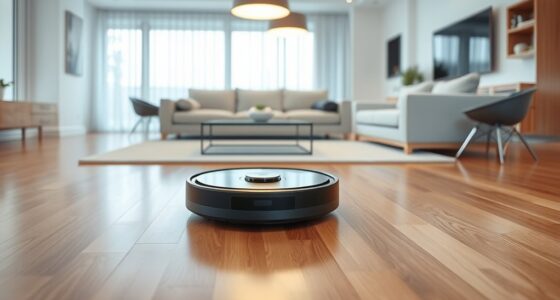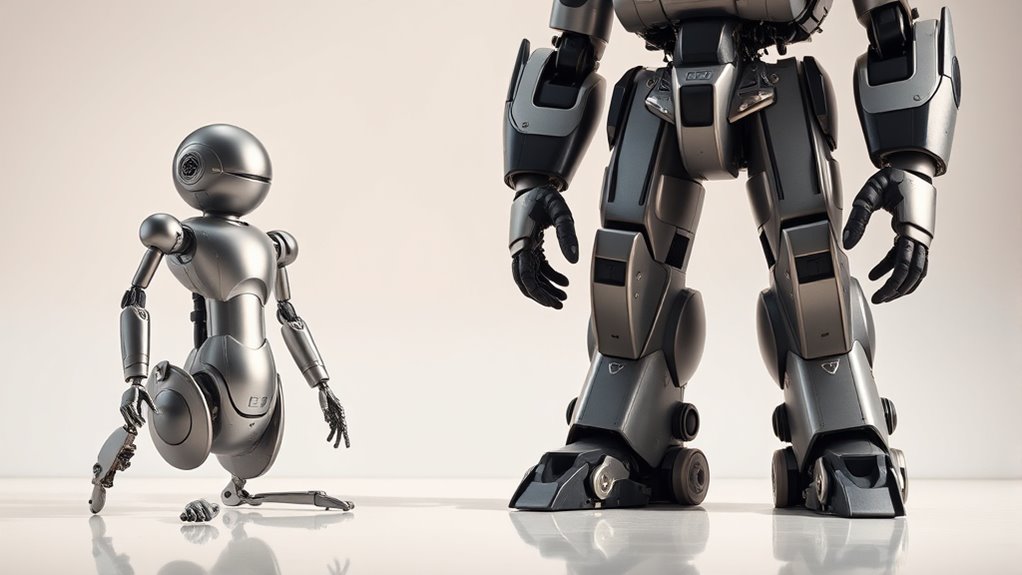

Choosing between compact and full-size robots depends on your cleaning needs, space size, and budget. Compact models are great for quick tasks and narrow spots, but they may need more frequent recharging. Full-size robots handle larger areas with better cleaning power and longer battery life, but they’re more expensive and less nimble in tight spaces. Knowing these differences can help you pick the right option; keep exploring for more details to make an informed decision.
Key Takeaways
- Full-size robots offer longer battery life and more powerful cleaning, suitable for large areas and deep cleaning needs.
- Compact robots excel in maneuverability, easily navigating tight spaces and hard-to-reach spots for quick, targeted cleaning.
- Budget considerations favor compact models for affordability, while full-size robots are more expensive due to advanced features.
- For small spaces or frequent quick cleans, compact robots are efficient; full-size models are better for extensive, deep cleaning.
- The choice depends on space size, cleaning requirements, and budget, with each type serving different specific needs.
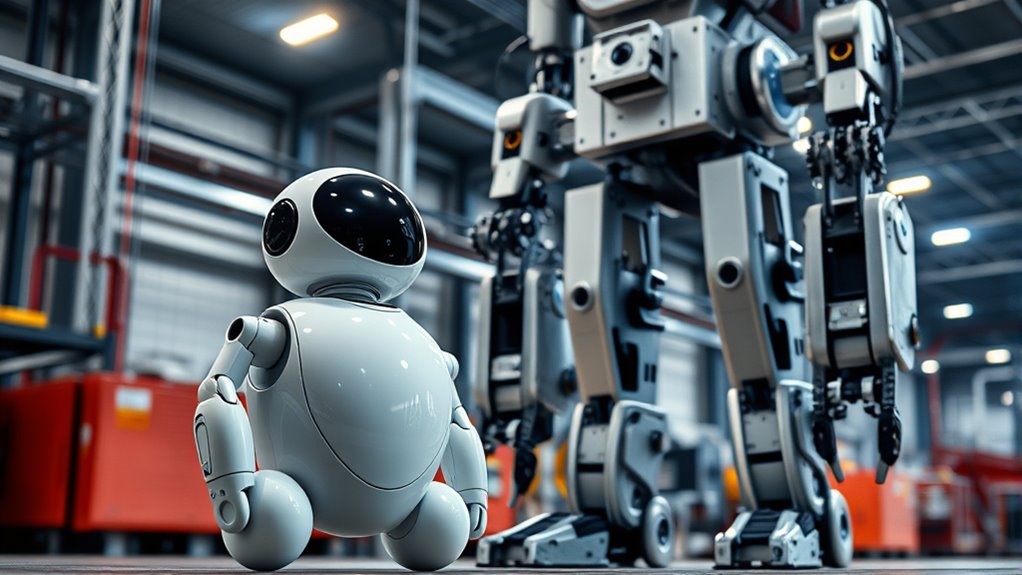
When choosing between compact and full-size robots, understanding their differences can substantially impact your project’s success. Both types serve unique purposes, and knowing their strengths and limitations helps you select the right one for your needs. One of the most critical factors to assess is battery life. Compact robots typically have smaller batteries, which means they may need to recharge more frequently during cleaning sessions. However, this isn’t always a drawback, especially if your space is smaller or requires shorter cleaning cycles. Full-size robots generally house larger batteries, allowing for longer operation times and fewer interruptions. If you have a large area to cover or want a more autonomous device that can clean for extended periods, a full-size robot might be more suitable.
Choosing between compact and full-size robots depends on your space and cleaning needs.
Cleaning power is another vital aspect to evaluate. Full-size robots often come equipped with more powerful motors and larger brushes, giving them an edge when it comes to deep cleaning and handling tougher debris. These robots tend to have more advanced suction capabilities, making them better at cleaning carpets and dense rugs. These models also often feature advanced navigation technology, which enhances their efficiency and coverage. Compact robots, on the other hand, are designed for quick, efficient cleaning of smaller areas or hard-to-reach spots. They may not have the same level of suction power, but their smaller size allows them to maneuver tight corners and under furniture more easily. If your primary concern is thorough cleaning of large, cluttered spaces, a full-size robot’s cleaning power is generally more effective.
Another aspect to weigh is maneuverability. Compact robots excel in traversing tight spaces, narrow hallways, and beneath furniture, thanks to their smaller footprint. They’re ideal for maintaining cleanliness in homes or offices with limited space. Full-size robots, while more stable and often better at handling uneven surfaces, might struggle in tight spots or under low-clearance furniture. Their larger size can limit their ability to access certain areas, but they compensate with more robust cleaning features and longer operation times.
Cost can also influence your decision. Full-size robots tend to be more expensive due to their enhanced features, bigger batteries, and increased cleaning power. Compact models are generally more budget-friendly, making them appealing if you want a quick, easy solution without breaking the bank. Ultimately, the choice depends on your specific cleaning needs, the size of the area you want to cover, and your budget. By understanding these key differences, you can make a more informed decision, ensuring your robot works efficiently and effectively for your space.

ROPVACNIC Robot Vacuum Cleaner Robot Vacuum and Mop Combo with 5200Pa Suction, Personalized Cleaning Adjustments, Self-Charging Robotic Vacuum Cleaner, Advanced Obstacle Avoidance
【2-in-1 Mopping and Vacuuming】 The ROPVACNIC Robot S1 integrates advanced electronically controlled mopping technology, significantly enhancing both cleaning…
As an affiliate, we earn on qualifying purchases.
As an affiliate, we earn on qualifying purchases.
Frequently Asked Questions
How Do Maintenance Costs Compare Between Compact and Full-Size Robots?
You’ll find that maintenance costs for compact robots are generally lower, boosting cost efficiency, and they often require less downtime management. Compact robots are simpler to service and maintain, which helps you save on labor and parts. Full-size robots, while more expensive upfront, might have higher maintenance costs but can be more durable for heavy-duty tasks. Overall, your choice impacts long-term expenses and operational efficiency.
Can Compact Robots Handle Industrial-Grade Tasks Effectively?
You might think compact robots can’t handle industrial-grade tasks, but they surprise you with precision and agility. While they excel in small, intricate jobs, scalability challenges arise when tackling larger, heavy-duty projects. With proper programming and upgrades, compact robots can perform effectively in demanding environments. Don’t underestimate their capabilities—sometimes, their size offers advantages you wouldn’t expect, making them surprisingly capable for industrial-grade tasks.
What Safety Features Are Unique to Full-Size Robots?
Full-size robots often feature advanced safety protocols and emergency systems that aren’t typically found in compact models. You’ll find sensors that detect human presence, automatic shutoff mechanisms, and reinforced barriers for enhanced protection. These safety features help prevent accidents and guarantee quick response during emergencies, giving you peace of mind when operating in industrial environments. Their extensive safety systems make full-size robots suitable for complex, high-risk tasks.
Are There Environmental Impact Differences Between the Two Types?
You’ll find that full-size robots often have a bigger environmental footprint due to higher energy consumption, which can increase operating costs and recycling challenges. Compact robots tend to use less energy and generate less waste, making them more eco-friendly overall. However, the environmental impact also depends on how the robots are manufactured, maintained, and disposed of, so choosing energy-efficient models and proper recycling methods is key to reducing your environmental footprint.
How Do Upgrade Options Differ for Compact Versus Full-Size Robots?
You’ll find that upgrade options differ mainly in battery life and design flexibility. Compact robots often have limited upgrade paths due to smaller size constraints, but they may allow for battery improvements or software updates. Full-size robots offer more extensive upgrades, including hardware enhancements and advanced features, thanks to their larger design. Your choice depends on whether you prioritize easy upgrades or flexible design options to meet evolving tasks.

eitton Robot Vacuum and Mop Combo, 6000Pa Strong Suction, LiDAR Navigation, Self-Emptying Dock,90-Day Hands-Free,Smart Mapping,WiFi/App/Alexa,Robotic Vacuum for Pet Hair, Dust, Hard Floors and Carpets
✅【6000Pa Super Strong Suction】Power through daily messes with 6000Pa of intense suction. This robotic vacuum easily lifts embedded…
As an affiliate, we earn on qualifying purchases.
As an affiliate, we earn on qualifying purchases.
Conclusion
Ultimately, choosing between compact and full-size robots depends on your needs. Compact robots are like nimble ninjas, perfect for tight spaces and quick tasks, while full-size robots are mighty giants, handling bigger jobs with ease. Don’t settle for less—your decision can transform your efficiency and productivity. Whether you pick the tiny marvel or the colossal powerhouse, remember: the right robot can be the game-changer that takes your work from ordinary to legendary.
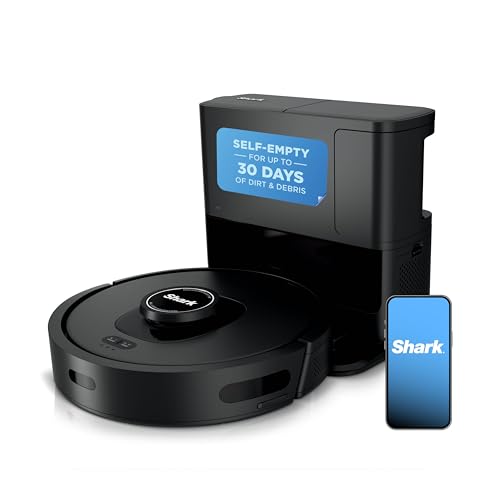
Shark AV2501S AI Ultra Robot Vacuum, with Matrix Clean, Home Mapping, 30-Day Capacity HEPA Bagless Self Empty Base, Perfect for Pet Hair, Wifi, Dark Grey
INCREDIBLE SUCTION: Powerful Shark suction picks up dirt and debris on all floor types—tackling even the toughest of…
As an affiliate, we earn on qualifying purchases.
As an affiliate, we earn on qualifying purchases.
ROPVACNIC Robot Vacuum Cleaner Robot Vacuum and Mop Combo with 5200Pa Suction, Personalized Cleaning Adjustments, Self-Charging Robotic Vacuum Cleaner, Advanced Obstacle Avoidance
【2-in-1 Mopping and Vacuuming】 The ROPVACNIC Robot S1 integrates advanced electronically controlled mopping technology, significantly enhancing both cleaning…
As an affiliate, we earn on qualifying purchases.
As an affiliate, we earn on qualifying purchases.