TL;DR
While taping windows is a common pre-storm practice, experts say it offers minimal protection against damage. The effectiveness remains debated among safety professionals.
Despite widespread belief that taping windows can prevent shattering during storms, experts say there is little evidence to support its effectiveness. Many homeowners continue to tape their windows as a precaution, but safety professionals warn that this may provide a false sense of security rather than real protection.
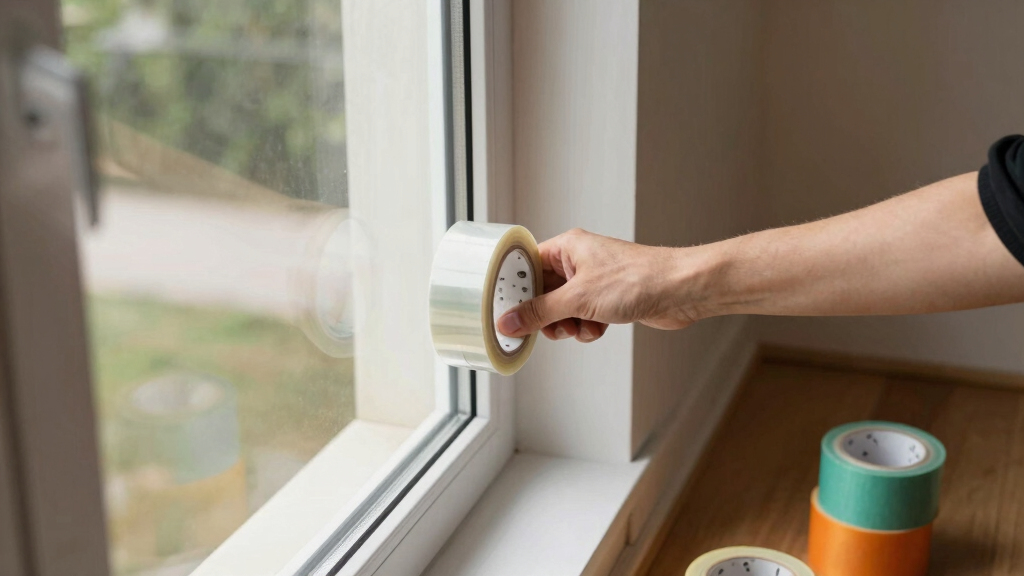
Taping windows before storms is a common practice among residents in storm-prone areas. The intent is to hold shattered glass together and prevent dangerous shards from flying inside. However, recent assessments by safety experts indicate that tape does little to prevent window breakage during high-impact events like hurricanes or severe thunderstorms. The American Red Cross and FEMA have clarified that taping windows does not reinforce the glass or prevent it from breaking under high wind pressure and debris impact. Instead, they recommend installing impact-resistant windows or using storm shutters for effective protection. Despite this guidance, many people still rely on tape due to its low cost and ease of application. Safety officials emphasize that taping may reduce the risk of glass shards scattering in some cases, but it does not prevent the window from breaking or protect the structure from wind damage.
Limited Effectiveness of Taping Windows During Storms
Understanding that taping offers minimal protection can influence homeowner safety practices and emergency preparedness. Relying on tape can lead to complacency, while investing in proper storm-resistant windows provides more reliable safety. Clarifying this misconception helps prevent injuries and property damage during severe weather events, especially as storm seasons intensify with climate change.
![Sibe-R-Plastics Supply 1/4" Thick Clear Polycarbonate Sheet [Pick Your Size] (6" X 24")](https://m.media-amazon.com/images/I/31kGUp768WL._SL500_.jpg)
Sibe-R-Plastics Supply 1/4" Thick Clear Polycarbonate Sheet [Pick Your Size] (6" X 24")
THIS IS POLYCARBONATE.
As an affiliate, we earn on qualifying purchases.
As an affiliate, we earn on qualifying purchases.
Historical Use and Current Recommendations on Window Protection
Taping windows has been a common, inexpensive method for decades, especially in areas frequently affected by hurricanes and severe storms. Its popularity stems from the belief that it can prevent dangerous glass shards from flying inside. However, recent studies and safety advisories from organizations like FEMA and the American Red Cross have challenged this practice, emphasizing that impact-resistant windows or storm shutters are the only proven methods of protection. The practice persists largely due to public familiarity and perceived simplicity, despite the lack of scientific backing. Past storm seasons have seen numerous reports of injuries caused by shattered glass, prompting ongoing discussions about the best protective measures for homes and residents.
“Taping windows does not prevent them from breaking or protect against wind damage. It’s mainly a visual cue that some homeowners use, but it should not replace proper storm protection measures.”
— FEMA spokesperson

Ekena Millwork Lifetime Vinyl LL1S12X03100BL Standard Cathedral Top Center Mullion, Open Louver Vinyl Shutters, w/Installation Shutter-Lok's & Matching Screws (Per Pair), 12"W x 31"H, Black
Item Description: 12"W x 31"H Lifetime Vinyl, Standard Cathedral Top Center Mullion, Open Louver Shutters, w/Installation Shutter-Lok's &…
As an affiliate, we earn on qualifying purchases.
As an affiliate, we earn on qualifying purchases.
Debate Over Tape Effectiveness and Alternative Methods
While experts agree that taping provides limited protection, some homeowners claim it offers peace of mind. The degree to which tape can prevent injury or damage under different storm conditions remains unquantified, and there is no standardized testing comparing taped versus un-taped windows during actual storms.

Dunzy 80 Pcs Hurricane Window Clips Fit 1/2 Inch Thick Plywood Carbon Steel Hurricane Clips Reusable Storm Window Clips Hurricane Shutter Hardware for Hurricane Window Protection Panels, Black
Sufficient to Use and Replace: there are 80 pieces of hurricane window clips for plywood in the package,…
As an affiliate, we earn on qualifying purchases.
As an affiliate, we earn on qualifying purchases.
Increased Adoption of Impact-Resistant Windows and Shutters
As awareness grows about the limited benefits of taping, authorities and safety organizations are promoting impact-resistant windows and storm shutters. Future storm seasons may see increased installation of these safer, more effective options, alongside public education campaigns to correct misconceptions about window protection. Researchers continue to evaluate the effectiveness of various protective measures under real storm conditions to inform safer practices.
reinforced glass windows
As an affiliate, we earn on qualifying purchases.
As an affiliate, we earn on qualifying purchases.
Key Questions
Does taping windows prevent them from breaking during storms?
No, taping windows does not prevent them from breaking under high winds or debris impact. It may hold shattered glass together temporarily but does not reinforce the glass or prevent damage.
What is the best way to protect windows during a storm?
The most effective methods are installing impact-resistant windows or using storm shutters, which are designed to withstand high winds and debris.
Can taping windows reduce injuries from shattered glass?
It may reduce the scattering of glass shards slightly, but it does not eliminate the risk of injury. Proper protective barriers are recommended for safety.
Why do people still tape windows if it’s ineffective?
Many rely on it due to its low cost, ease of application, and longstanding tradition, despite expert advice that it offers minimal protection.
Are there any risks associated with taping windows?
Generally, taping is safe if done carefully, but it can give a false sense of security, leading people to neglect more effective protective measures.
Source: rss